
Lieferung heute & morgen

Qualitätsgarantie

Willkommens-Angebote freischalten: KOSTENLOSE Lieferung | Bis zu 80 % RABATT | Kostenlose 30-Tage-JoyPlus-Testphase
App herunterladen
Anyone looking to buy champagne is often faced with a shelf full of prestigious names and varying price points. Choosing the right bottle, whether as a champagne gift or for a special occasion like a wedding, can quickly become overwhelming. Many buyers rely on well-known champagne brands or price, but that alone doesn't guarantee the perfect experience. There are several common pitfalls that can lead to an unsuitable choice. This guide will help you understand the key criteria and make an informed decision.
Before you order champagne online or purchase it from a specialist retailer, you should be aware of two typical misconceptions that often lead to disappointment.
To make the right choice, you don't need countless details, but rather an understanding of two central features. Anyone who understands these can search specifically for the right product.
The dosage refers to the small amount of sugar solution added to the champagne after the second fermentation to determine its final sweetness level. This factor has a significant impact on the taste and pairing possibilities.
Champagne is primarily made from three grape varieties, and their composition (the cuvée) significantly shapes its style.
A Rosé Champagne gets its colour either from a short maceration of the red grape skins or by adding a small amount of red wine to the cuvée. It is often characterized by distinct berry aromas.
Here are some recommendations tailored to different profiles and occasions, specifically designed to avoid the common pitfalls mentioned.
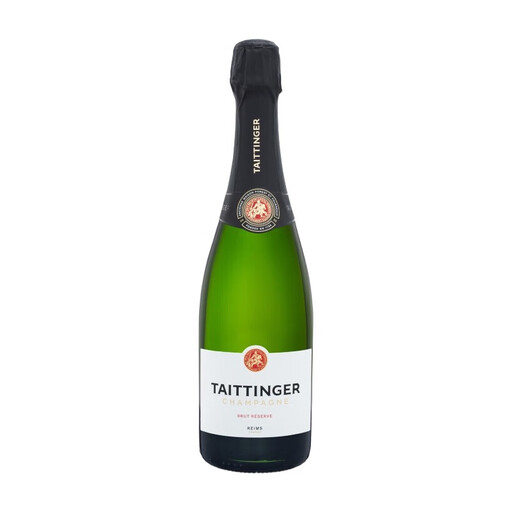
Why This Fits Their Persona: Ideal for occasions that call for a recognised and stylish champagne that will appeal to a wide audience. Perfect for a wedding, an anniversary, or as a prestigious corporate gift.
As a Brut, it's the universal choice that sidesteps the sweetness trap. It's dry enough for an apéritif but balanced enough not to seem overly sharp.
High Chardonnay content (40%) for finesse and elegance. Consistent quality from a renowned Champagne house.
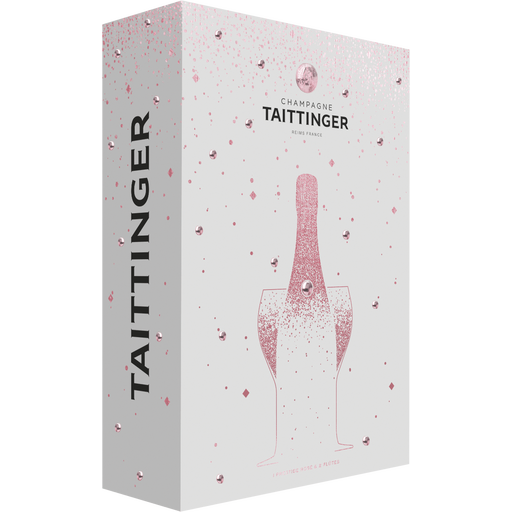
Why This Fits Their Persona: For gift-givers looking for something visually appealing and tastefully expressive. A Rosé Champagne is an excellent choice for romantic occasions, birthdays, or as a thank-you gift.
This champagne refutes the fallacy that only price matters. Its intense fruit and colour offer a rich experience that goes beyond the brand name alone.
Expressive aromas of red fruits. The intense colour makes it a visual highlight in the glass.
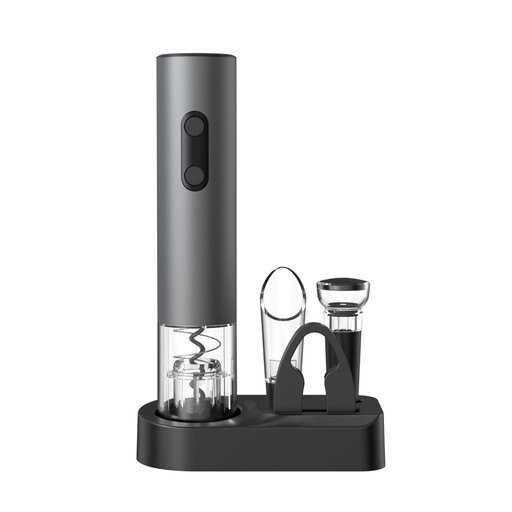
Why This Fits Their Persona: For anyone who celebrates the enjoyment of wine and sparkling wine and values convenience. This set is an ideal gift for hosts or as an addition to a home bar.
This set focuses on the practical utility of the tasting experience. It demonstrates that a successful event depends not only on the bottle but also on the right accessories.
Complete set with an electric opener, foil cutter, pourer, and vacuum pump. Battery-operated for maximum flexibility without a charging cable.
We have compiled a complete, up-to-date list of products that meet these strict selection criteria and quality standards.
1. How should you store champagne correctly? Champagne should be stored in a cool, dark place with a constant temperature (ideally 10–12 °C). Unlike still wine, bottles can be stored upright, as the pressure and humidity inside the bottle keep the cork sufficiently moist. However, storing them on their side is also perfectly fine. The key is to avoid temperature fluctuations and direct light.
2. What is the ideal drinking temperature for champagne? The recommended drinking temperature is between 8 and 10 °C. If served too cold (e.g., straight from the freezer), its delicate aromas cannot unfold. If it's too warm, it will seem less refreshing and the carbonation will dissipate more quickly. Younger, fresher champagnes can handle a slightly cooler temperature, while complex, aged vintage champagnes show their full bouquet at around 10–12 °C.
3. Which champagne is suitable for a wedding? For a large reception at a wedding, a Champagne Brut is an excellent choice. Its dry yet balanced character appeals to most palates and it pairs wonderfully with a variety of canapés and finger foods. A non-vintage (NV) Brut from an established Champagne house typically offers a consistent and reliable quality profile, making it well-suited for serving many guests.