
Lieferung heute & morgen

Qualitätsgarantie

Willkommens-Angebote freischalten: KOSTENLOSE Lieferung | Bis zu 80 % RABATT | Kostenlose 30-Tage-JoyPlus-Testphase
App herunterladen
Buying champagne online can be convenient, but similar product images, unclear sweetness levels and different bottle sizes can quickly make it confusing. If you only look at the brand or packaging, you might end up paying for a gift box when a multi-pack would suit the occasion better. What's more, the terms champagne, sparkling wine, prosecco and crémant are often mixed up in everyday conversation, even though their origin, production method and flavour profile are all different.
This shopping guide from the Joybuy Product Recommendation Officer will help you compare offers objectively and avoid common mistakes.
Brut champagne contains less residual sugar than off-dry or sweeter styles, but it isn't completely sugar-free. If you prefer a very dry style, you should also look out for terms like Extra Brut. For guests who enjoy fruitier or milder flavours, a Demi-Sec or an off-dry Rosé could be a better choice.
Champagne comes from the French region of Champagne and is made according to the rules that apply there. Prosecco comes from Italy, Cava from Spain and Crémant from various French regions outside Champagne. Depending on the occasion, these products can be a suitable alternative, but they are not the same thing.
A 6-pack of sparkling wine can be practical for parties, catering or regular aperitifs. What really matters, though, is the price per 0.75-litre bottle, the total volume and whether you have space to store it. Buying a single bottle with gift packaging is often a better idea if you only need one bottle as a champagne gift.
First, check whether what's on offer is actually champagne from the Champagne region or a different type of sparkling wine. For Crémant, Cava and Prosecco, the designation of origin and production rules are also useful reference points. However, the name alone doesn't tell you whether the flavour will suit your food or your guests.
Also pay attention to the grape varieties Chardonnay, Pinot Noir and Pinot Meunier. A higher proportion of Chardonnay is often described as bringing fresh, floral and citrus notes, while Pinot Noir and Pinot Meunier can add more structure and fruit. The specific cuvée recipe remains the deciding factor.
The standard size champagne 0.75 l is suitable for private celebrations and as a gift. For larger events, 6-packs of 0.75 l each can make shopping easier. When checking, consider:
Alcoholic drinks are not intended for children or young people. Alcohol should be avoided during pregnancy. Please check the information on the product label and drink responsibly.
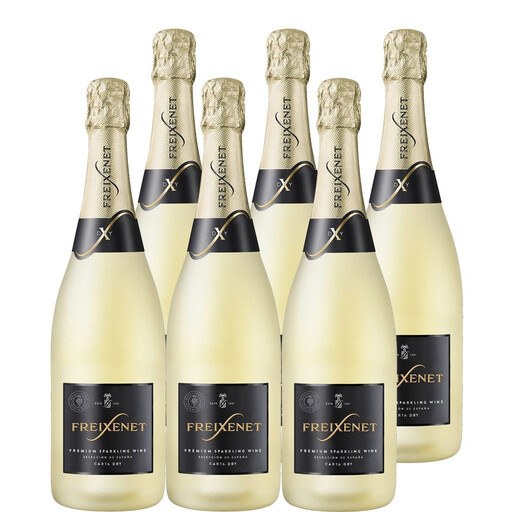
Why this product fits the profile: The 6-pack of 0.75-litre bottles is ideal for hosts who need multiple servings and want to compare the unit price clearly. This dry Cava from Spain can be served as an aperitif or with light dishes.
The clear origin label and pack size prevent Cava from being mistakenly categorised as champagne. The dry style is explicitly stated.
6 × 0.75 l, dry flavour profile and suitable for vegetarian and vegan diets.
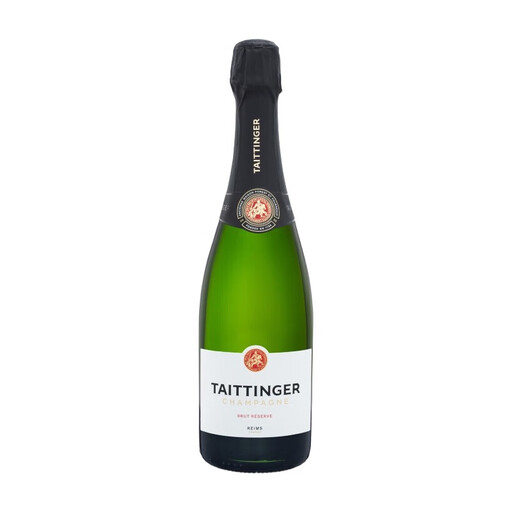
Why this product fits the profile: The cuvée of 40% Chardonnay, 40% Pinot Noir and 20% Pinot Meunier, along with the stated bottle ageing of 3 to 4 years, appeals to buyers who pay attention to composition and ageing details.
The product description lists grape varieties, origin, alcohol content, allergens and recommended serving temperature. This allows you to assess the offer based on verifiable data rather than just the brand.
Champagne from France, 0.75 l, 12.5% vol. and a Brut profile with notes of peach, brioche and white flowers according to the product description.
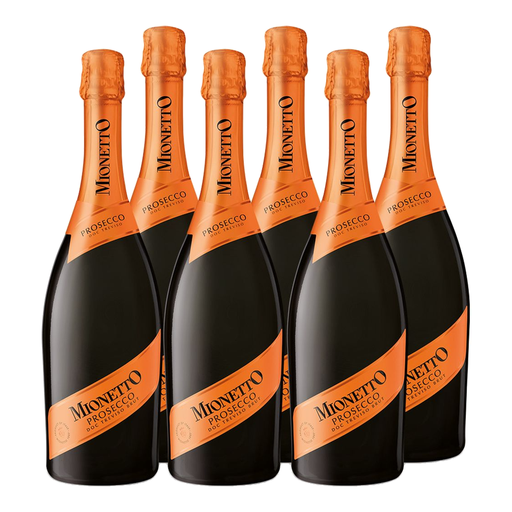
Why this product fits the profile: The total volume of 4.5 l is designed for larger groups, regular aperitifs or catering use. According to the product information, this Prosecco also works well as a base for various cocktails.
The Italian origin and the Prosecco DOC designation make it clear that this is not champagne. The quantity and number of bottles are clearly stated.
6 × 0.75 l, 11% vol., Brut style and described aromas of apple, pear and acacia honey.
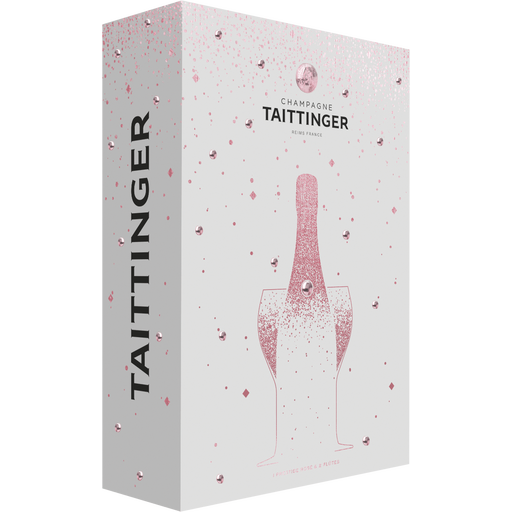
Why this product fits the profile: The 0.75-litre bottle is offered as a gift set with two original Lehmann champagne glasses. This makes it practical for birthdays, dinner parties and other special occasions.
The contents of the set are described in detail. Buyers can therefore check whether glasses are actually included, rather than relying solely on the product image.
Rosé champagne, 0.75 l, 12.5% vol. and gift set with two glasses; recommended serving temperature of 8 to 10 °C.
We've put together a complete, regularly updated list of products that fully meet these strict selection criteria and the safety regulations in force in the EU.
Champagne and sparkling wine should be stored in a cool place away from direct sunlight before opening. The exact serving temperature depends on the product instructions. After opening, a suitable stopper will keep the fizz in the drink for longer; opened bottles should be kept chilled and consumed promptly.
When it comes to food, Brut styles often work well with fish, seafood, sushi, poultry and light starters. Rosé styles can pair nicely with salmon, salads, berries or desserts. Buying a Crémant, buying Cava or buying Prosecco is particularly worthwhile when origin and price range matter more than the protected designation of champagne.
With a suitable champagne stopper and kept in the fridge, the quality can usually be preserved for a short time. Manufacturer recommendations vary; many product descriptions suggest one to two days. For the best freshness, the bottle should be consumed as soon as possible.
That depends on the occasion, duration and what other drinks are available. A 0.75-litre bottle contains several glasses, though the pour size and number of toasts will vary. For larger parties, 6-packs can make planning easier. Remember to factor in non-alcoholic drinks and water.
A set can be a good idea if the contents are clearly stated. Check the bottle size, the number and type of glasses included, and the packaging. A rosé champagne with two glasses, for example, is a different proposition from a single bottle in a gift box.