
Lieferung heute & morgen

Qualitätsgarantie

Willkommens-Angebote freischalten: KOSTENLOSE Lieferung | Bis zu 80 % RABATT | Kostenlose 30-Tage-JoyPlus-Testphase
App herunterladen
Anyone looking to buy Champagne online will find a wide choice of brands, flavour profiles and gift packaging. However, without checking the details carefully, your purchase can fall victim to common pitfalls: eye-catching packaging says little about the taste, sweetness is often misunderstood and storage conditions during delivery are not always transparent.
This shopping guide from the Joybuy Product Recommendation Officer explains the most important criteria objectively. That way, you can choose French Champagne more confidently for a celebration, as a gift or to accompany food.
The term Champagne is reserved for wine originating from the French Champagne region and made under specific production conditions. A Crémant de Loire is also made using traditional bottle fermentation, but comes from the Loire region and is legally not Champagne. Both categories may be suitable for an aperitif or celebration, but they should not be assessed using the same designation of origin.
Brut Champagne contains a small amount of residual sugar, but does not necessarily taste completely sugar-free. Extra Brut Champagne is generally drier. If you prefer a rounder, slightly sweeter style, you could consider Demi-Sec Champagne or Sec Champagne. The perceived taste also depends on acidity, maturity and grape varieties.
A gift box or set with glasses can be practical for a special occasion. However, the key details remain volume, alcohol content, closure, origin, allergens and delivery condition. A standard bottle of Champagne 0.75 l is the usual quantity for several smaller servings. For a larger reception, a multipack may be more suitable.
First, look at the style designation:
The designation provides an initial guide, but does not replace the product description. For example, the Irroy Champagne Extra Brut 0.75L is listed as containing 70% Pinot Noir and Pinot Meunier, together with 30% Chardonnay. The product description also states that it has been aged in the bottle for at least 30 months and recommends it with seafood, grilled fish and mature cheese.
The three classic grape varieties of Champagne are Chardonnay, Pinot Noir and Pinot Meunier. A higher proportion of Chardonnay is often associated with fresh, floral and citrus notes, while Pinot Noir and Pinot Meunier can add structure and fruitiness. These are general guidelines, not a guarantee of a particular taste experience.
Ageing on the lees can also be relevant when choosing a bottle. Depending on the product variant, the Taittinger Brut Réserve Champagne 0.75L is listed as having a high proportion of Chardonnay and several years of bottle ageing. The description mentions brioche, peach, floral and vanilla notes, among others. Check the details on the specific product page before ordering, as different packaging variants are available.
Unopened bottles should be stored in a cool, dry place, protected from direct light and significant temperature fluctuations. Depending on the product, a serving temperature of around 6 to 10 °C is generally recommended. After opening, a suitable Champagne stopper can help; the bottle should be kept chilled and consumed promptly.
Champagne usually contains sulphites, which are listed on the label as a declarable allergen. Check the alcohol content and ingredients before buying. Alcoholic drinks are not suitable for pregnant women. The sale and consumption of alcohol are subject to the age requirements applicable in Germany.
Why this product suits this profile: The classic Brut style is ideal for buyers looking for a versatile bottle to serve with an aperitif, fish or seafood.
The product details specify the grape varieties, 36 months of lees ageing, 0.75 l volume, 12.5% vol. and a gift box.
Brut cuvée made from Chardonnay, Pinot Noir and Pinot Meunier; serving temperature stated in the product details: 6–10 °C.
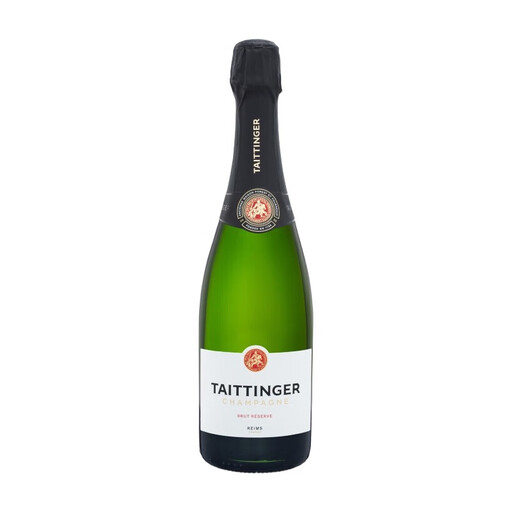
Why this product suits this profile: Details of the cuvée, bottle ageing and serving temperature provide a clear basis for choosing a bottle for celebratory meals.
The product page clearly states the bottle size, 12.5% vol., ingredients and sulphites.
French Champagne from the Champagne region; recommended at 6–8 °C as an aperitif and with fish and light dishes.
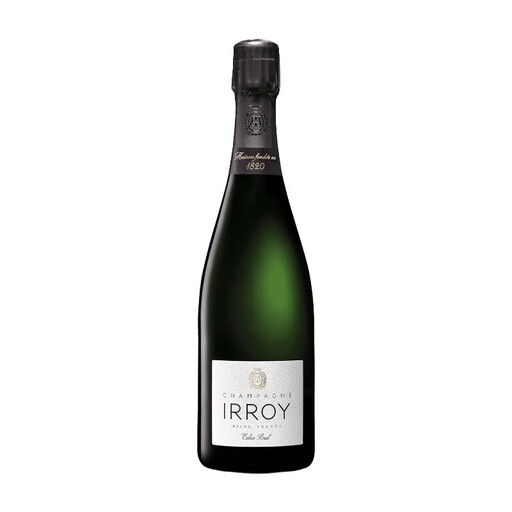
Why this product suits this profile: The drier Extra Brut style and food pairing recommendations make this bottle an appealing choice for meals and regular occasions.
The description clearly lists the cuvée, at least 30 months of ageing, volume and sulphite information.
70% Pinot Noir and Pinot Meunier, together with 30% Chardonnay; suitable with seafood, fish and mature cheese.
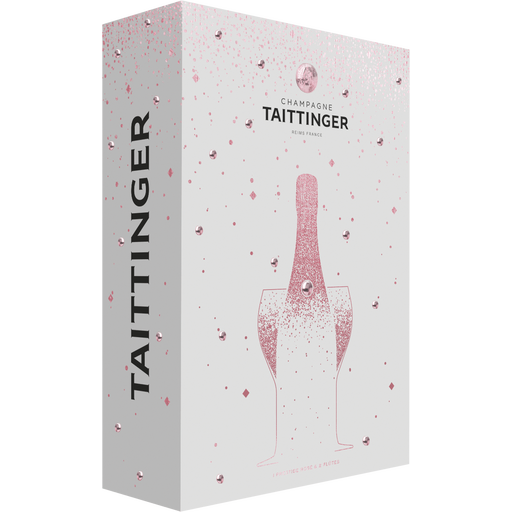
Why this product suits this profile: The gift set includes two original Lehmann Champagne glasses and is ready to present for a special occasion.
It is not just the presentation that is specified: the volume, natural cork, alcohol content and sulphite information are also provided.
Rosé cuvée with 0.75 l and 12.5% vol.; available as a gift set with two glasses.
We have put together a complete, regularly updated list of products that fully meet these strict selection criteria and the safety regulations applicable in the EU.
For a Champagne reception or wedding, a versatile Brut cuvée is usually an easy choice. A dry Extra Brut Champagne with fresh acidity can work well with oysters, sushi and seafood. A fruity Rosé Champagne is ideal for celebratory meals and can be paired with salmon, poultry or selected desserts.
If you are looking for a milder accompaniment to sweet dishes, consider the Demi-Sec Champagne category. A product such as Taittinger Nocturne Sec is described as having aromas of dried apricots, yellow fruit and candied citrus fruit, and is recommended with poultry or creamy desserts.
As an alternative for a larger gathering, a Crémant de Loire could be a good option. The Bouvet-Ladubay Crémant de Loire Blanc Brut is listed as a sparkling wine from the Loire, made using traditional methods, with a volume of 0.75 l and a recommended serving temperature of 8–10 °C. Its origin should be taken into account clearly when comparing prices.
The price depends on factors including the brand, proportion of grape varieties, ageing time, packaging and availability. Compare more than just the bottle price: also consider the volume, delivery costs, gift packaging and, where applicable, the number of bottles per pack.
Once opened, Champagne gradually loses its fizz. A suitable stopper and storage in the fridge can preserve its quality for a short time. Product details often state a period of around one to three days; the information on the relevant product page is decisive.
Many of the products listed are recommended at between 6 and 10 °C. Check the producer’s recommendation for the Champagne in question. Consistent chilling and opening the bottle carefully help to avoid unnecessary loss of pressure and spillage.