
Lieferung heute & morgen

Qualitätsgarantie

Willkommens-Angebote freischalten: KOSTENLOSE Lieferung | Bis zu 80 % RABATT | Kostenlose 30-Tage-JoyPlus-Testphase
App herunterladen
Anyone looking to buy Champagne online will often see elegant bottles, well-known brand names and terms such as “Brut”, “Reserve” or “Blanc de Blancs”. However, these details do not automatically mean that the flavour will suit you or that you are getting good value for money. The key factors are origin, sweetness level, grape varieties, maturation time, packaging and the occasion you have in mind.
The name Champagne is tied to its origin in the French Champagne region and to defined production requirements. A French sparkling wine from the Loire or Alsace is therefore not automatically Champagne. Products such as Crémant or Sekt can also be made using traditional bottle fermentation, but they belong to a different category.
For example, if you want to buy Crémant online, you should check the regional designation and the production method described. When buying Sekt online, the origin of the base wine, grape variety and style are also relevant.
Brut Champagne means dry, but not without residual sugar. Extra Brut generally indicates an even lower dosage range. An Extra Brut Champagne can therefore taste noticeably leaner and more mineral-driven than a classic Brut cuvée.
For guests who prefer softer, fruitier flavours, a Demi-Sec Champagne or a Sec Champagne may be more suitable. The sweetness level should match the menu and personal taste, rather than simply the occasion shown on the label.
A gift box can be useful for a celebration or as a present. For a private aperitif, however, it is not necessarily required. With multipacks, you should also check whether six bottles are actually included or whether the image merely shows a single-pack presentation. The specification Champagne 0,75 l refers to the usual standard bottle containing 750 millilitres.
Look for a clear product designation:
A high-quality sparkling wine cannot be identified by price or brand name alone. Clearly stated details such as grape varieties, maturation time, residual sugar and serving temperature make comparison easier.
These terms provide an initial guide:
For well-known products, specific details should be checked in the product description. Taittinger Brut Réserve, for example, is stated to have a residual sugar content of 8.9 g/l. Louis Despas Crémant de Loire Brut is described as containing around 10 g/l of residual sugar.
The three classic Champagne grape varieties are Chardonnay, Pinot Noir and Pinot Meunier. A Chardonnay Champagne or Blanc de Blancs consists predominantly or exclusively of Chardonnay and is often described as having citrus, apple or floral notes. Pinot Noir and Pinot Meunier can add greater structure and fruitiness.
The stated maturation time is also a useful point of comparison. According to the product description, Irroy Extra Brut matured in the bottle for at least 30 months, while Pommery Brut Royal spent 36 months ageing on the lees. Such details cannot replace a personal tasting, but they do provide a transparent point of reference.
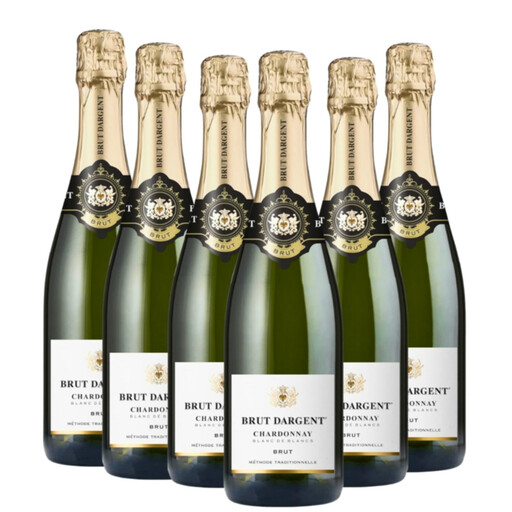
Why this product suits this profile: The six-bottle pack is ideal for larger celebrations, regular aperitifs or hosts who need several bottles. This French Brut sparkling wine is made from Chardonnay and should be served at 5–8 °C.
The product description explicitly states that this is sparkling wine from the Loire, not Champagne. This keeps the regional classification transparent.
100% Chardonnay according to the product details, 0,75 l per bottle and six bottles per pack.
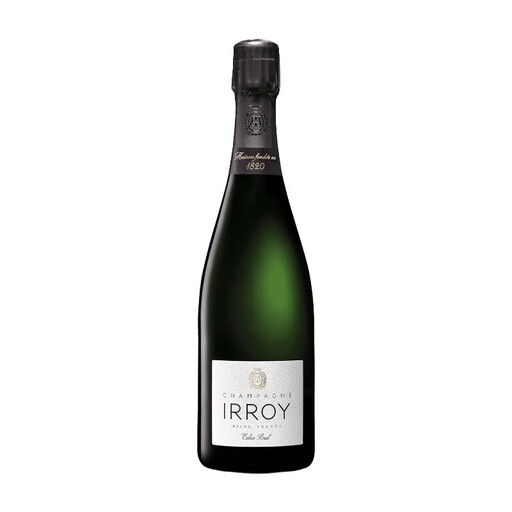
Why this product suits this profile: The combination of 70% Pinot Noir and Pinot Meunier, 30% Chardonnay and at least 30 months of bottle ageing appeals to buyers who prefer specific product details.
The Extra Brut sweetness level and maturation time are clearly stated. This means the buying decision does not have to be based solely on the packaging or brand image.
A mineral-fresh profile according to the description, suited to seafood, fish and mature cheese.
Why this product suits this profile: The 0,75-l bottle comes in a gift box, making it suitable for a celebratory reception or as a present.
The product details specify the origin, grape varieties, 36 months of lees ageing, alcohol content and serving temperature. The gift packaging is also clearly stated.
Brut cuvée made from Chardonnay, Pinot Noir and Pinot Meunier; according to the description, it is suited to fish, seafood and sushi.
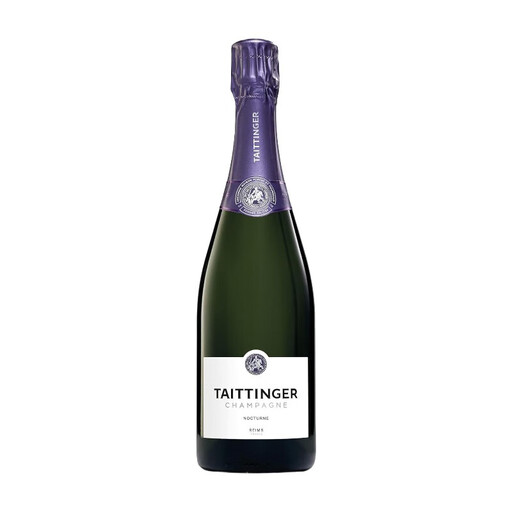
Why this product suits this profile: The Sec style with subtle residual sweetness is an appealing choice for buyers deliberately looking for a fruitier alternative to Brut and wanting to serve Champagne with desserts or poultry.
The product description explicitly identifies the wine as Sec and points out its associated residual sweetness. This prevents a dry Brut style from being mistaken for a sweeter choice.
60% Pinot Noir and Pinot Meunier and 40% Chardonnay; recommended with poultry and creamy desserts.
We have compiled a complete, regularly updated list of products that fully meet these strict selection criteria and the safety regulations applicable in the EU.
Sparkling wine should be stored in a cool, dark place before opening. The precise serving temperature depends on the product: many Brut cuvées are best served at around 6–10 °C, while some Crémants can be served at 8–10 °C. Excessive chilling can make the aromas less pronounced.
Once opened, a special Champagne stopper preserves the bubbles better than an ordinary household closure. The bottle should then be kept in the fridge and, depending on the product guidance, consumed within one to three days. Alcoholic drinks are intended for adults only and are not suitable for pregnant women. Sulphites contained in the product may cause allergic reactions.
Extra Brut generally contains less dosage sugar, making it taste drier and more taut. Brut is also dry, but can seem slightly rounder and more approachable. The precise classification should be checked against the residual sugar information in the product description.
With a suitable stopper and chilled storage, opened Champagne can usually still be enjoyed for one to three days. However, the bubbles gradually diminish after opening. The guidance on the individual product should be followed for a specific recommendation.
Crémant comes from other French regions and is not classified as Champagne. Products such as Crémant de Loire or Crémant d’Alsace are, however, often also made using traditional bottle fermentation. By comparing origin and production method, you can choose deliberately between Champagne, Crémant and Sekt.