
Lieferung heute & morgen

Qualitätsgarantie

Willkommens-Angebote freischalten: KOSTENLOSE Lieferung | Bis zu 80 % RABATT | Kostenlose 30-Tage-JoyPlus-Testphase
App herunterladen
If you’re looking to buy chilli powder, you’ll find plenty of options online for curries, marinades, sauces, hot pot and everyday cooking. But the name alone doesn’t tell you much about the heat, ingredients or how to use it. This is especially true for products from Asian, Indian, Korean, Mexican and Sichuan cuisines, so it’s worth taking a close look at the label and product description.
Labels like hot chilli powder or extra hot chilli powder aren’t automatically comparable. The actual heat depends on the variety of chilli used, the proportion of seeds and how much you use. A specific Scoville rating can help you judge the heat, but not every product includes one. For example, Kotányi Extra Spicy Chili with Sea Salt Mill states a value of 25,000 Scoville for the Scotch Bonnet chilli it uses. This blend also contains salt, which you’ll need to account for when seasoning.
The colour doesn’t tell you whether a product is made from 100% chilli. Some blends contain salt, sesame, rapeseed oil, Sichuan pepper or other spices. One example is ChuanLaohui Sesame Chilli Powder: according to the product details, it’s made from chilli powder and sesame, so it also works as a dip or topping. For anyone with allergies, the mention of sesame is crucial.
Similarly, Liu Po Spicy Chili Powder lists chilli, sesame, Sichuan pepper, soya beans, peanuts, salt and rapeseed oil among its ingredients. If you’re after a pure chilli spice for curries or marinades, don’t confuse these blends with a single-ingredient product.
480 g or 1 kg might look good value per kilo at first glance. But if you only use chilli powder occasionally, the flavour and colour can fade due to light, moisture and frequent opening. Smaller amounts like 24 g, 28 g or 30 g are better for trying out different heat levels. For catering, regular sauce production or large families, bigger packs can make sense.
For a neutral chilli spice, the ingredients list should be as simple as possible. With a pure powder, it might just say “chilli” or “100% Red Chili”. Blends aren’t necessarily worse, but they serve a different purpose. Sesame, peanuts and soya need particular attention if you’re cooking for anyone with intolerances.
Also check whether salt is included. With a chilli-salt mill or a seasoned Sichuan product, you’ll need to factor the extra salt into your recipe.
Finely ground powder disperses quickly in soups, sauces and marinades. Coarser varieties stay more on the surface and work well for kimchi, braised dishes or as a visible topping. Chilli flakes offer a different texture and often release their heat gradually into oil or food.
Gochugaru Korean chilli powder is available in fine and coarse versions. According to product descriptions, fine Gochugaru suits sauces, marinades and Gochujang; coarse powder is often used for kimchi, soups and stews. Also check the country of origin: Nongshim Red Pepper Powder Fine states South Korea, while the coarse product lists China as its origin.
For Sichuan recipes, a precise distinction is also important. Sichuan chilli powder is not the same as pure Sichuan pepper powder. The latter gives that characteristic tingling sensation in the mouth, but doesn’t contain chilli heat in the usual sense. Weimen Seasoning (Pepper Powder) 30 g is described as being made from peppercorns.
Small packs are handy for occasional use and taste-testing. Medium sizes around 100 g suit most households. 480 g or 1 kg are aimed at heavy users, larger families or catering.
Always store chilli powder in a dry, cool place, tightly sealed and away from direct sunlight. Once opened, an airtight container is recommended. Always follow the storage instructions and best-before date on the packaging.
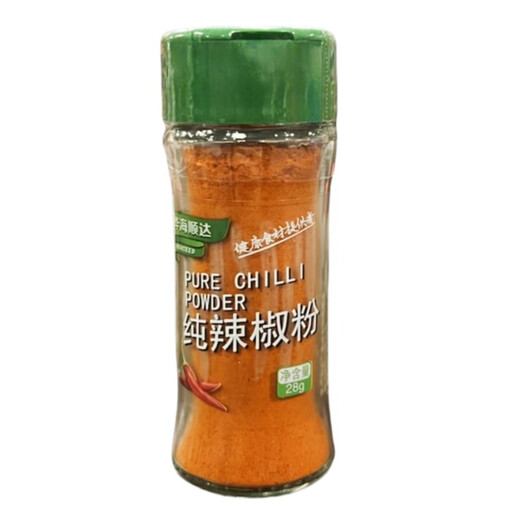
Why this product fits the profile: The small 28 g pack lets you try pure chilli powder for stir-fries, soups, sauces and marinades without having to store a large quantity.
According to the product details, it consists of chilli. This means you can control the heat more precisely than with a seasoned chilli blend that contains added salt.
28 g net weight, pre-ground and, according to the description, with no other listed ingredients.
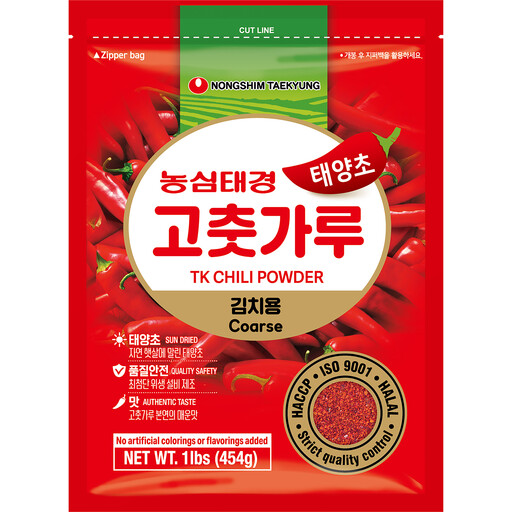
Why this product fits the profile: The coarse texture is intended for Korean dishes like kimchi, soups and braised dishes where colour and texture matter.
The product description states 100% Red Pepper Powder and clearly indicates the coarse grind. This makes it easier to choose compared to undefined chilli spices.
454 g pack size, coarsely ground and, according to the details, with no declared allergens.
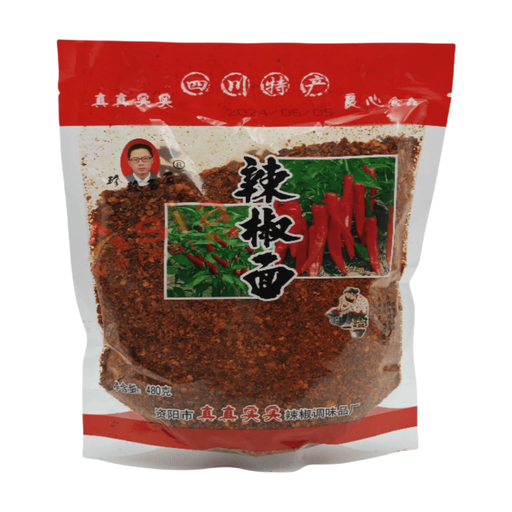
Why this product fits the profile: The 480 g pack is aimed at households with regular consumption, as well as those who need chilli for hot pot, wok dishes, braised dishes and marinades.
The ingredients list states 90% chilli and 10% rapeseed oil. This lets buyers see that it’s not a completely dry single-ingredient product.
480 g net weight, suitable for cooking, hot pot base and marinades according to the details, with no declared allergens.
We’ve put together a full, regularly updated list of products that meet these strict selection criteria and fully comply with EU safety regulations.
For curries and chilli powder for marinades, finely ground varieties that blend evenly with liquids and oil work best. Pure powder allows you to adjust the heat more precisely. Blends with salt, sesame or other spices, on the other hand, can bring a ready-made flavour profile.
Chilli powder is finely ground and disperses quickly in sauces, soups and marinades. Chilli flakes are coarser and are ideal for sprinkling, making chilli oil or slowly infusing dishes with flavour. The amount you need can vary depending on the grind and the chilli variety.
There’s no one-size-fits-all shelf life for every product. The best-before date and storage instructions on the packaging are what matter. Keeping it in a dry, dark, airtight place helps preserve the colour and flavour for as long as possible. If the smell changes, you notice moisture or any visible issues, the product should not be used.