
Lieferung heute & morgen

Qualitätsgarantie

Willkommens-Angebote freischalten: KOSTENLOSE Lieferung | Bis zu 80 % RABATT | Kostenlose 30-Tage-JoyPlus-Testphase
App herunterladen
Finding authentic Asian noodles can be a challenge. The variety of shapes, ingredients, and textures is vast, and making the right choice is crucial for perfecting traditional dishes like a hearty noodle soup or a quick stir-fry. This guide is designed to provide clear direction, helping you find the perfect noodles for your culinary projects. As your Joybuy Product Recommendation Officer, I have curated a selection of products based on objective features and their suitability for the home kitchen.
To make the right decision, it helps to be familiar with a few basic criteria. These three points will help you better evaluate product characteristics.
The base for most Chinese dried noodles is wheat flour. The quality and type of wheat significantly determine the texture. However, you'll increasingly find varieties enriched with other grains or pseudo-cereals.
Pay attention to the percentage of each ingredient to get an idea of the flavour profile and cooking properties.
Not every noodle is suitable for every type of preparation. The thickness, shape, and texture are crucial for how well a noodle absorbs sauces or holds its shape in a hot broth.
Many instant noodle products are pre-fried to shorten the cooking time. However, high-quality Chinese dried noodles are typically only dried. This non-fried process preserves the pure grain flavour and results in a product with a lower fat content. If you're looking for a healthy Asian noodle option, choosing non-fried products is an excellent starting point.
Based on the criteria above, we have compiled a selection of noodle products that stand out for their specific characteristics.
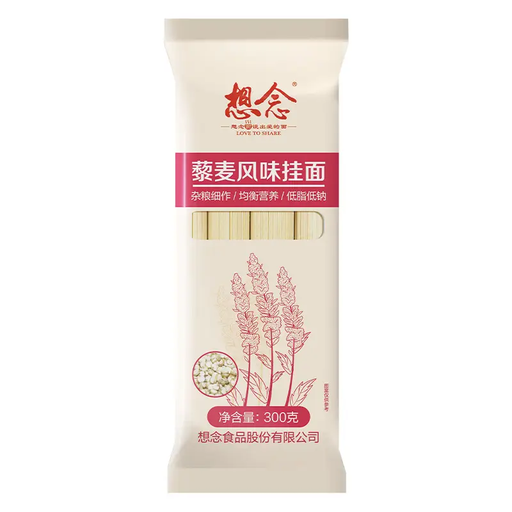
Key Features These noodles from the Xiang Nian brand combine traditional wheat flour with quinoa flour. According to the manufacturer, this blend results in an elastic and smooth texture. The noodles are versatile and suitable for soups, stir-fries, or as a side dish. The nutrition facts list a protein content of 12.5 g and a dietary fibre content of 4.5 g per 100 g.
Benefits
Who is it for? These noodles are a great choice for home cooks looking for a more nutrient-rich alternative to plain wheat noodles and who appreciate the versatility of an all-round product.
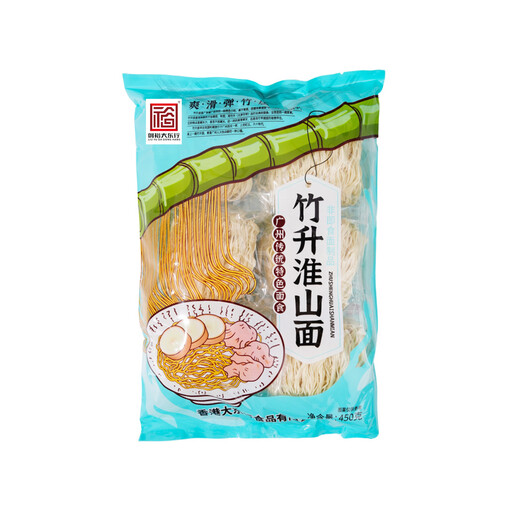
Key Features According to the ingredient list, these non-fried noodles contain 5% Chinese yam powder (Huai Shan). This production method results in a smooth and chewy texture with a subtle wheat and yam aroma. The 450g family-sized pack is convenient for regular use.
Benefits
Who is it for? Ideal for families and individuals who regularly prepare Asian noodle dishes and want to try a product with a special ingredient. The noodles are well-suited for soups, stir-fries, or cold appetisers.
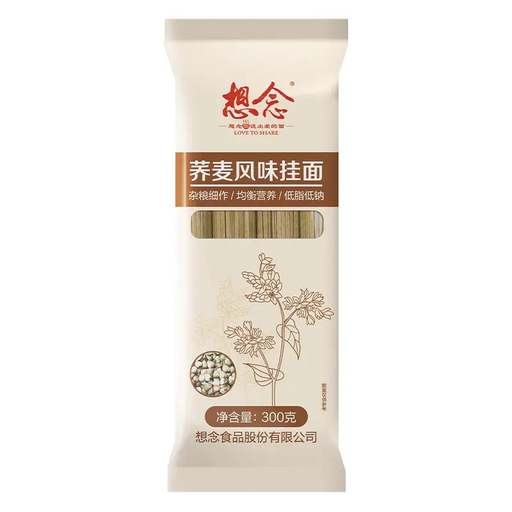
Key Features This variety of Xiang Nian noodles is enriched with buckwheat flour, giving them a characteristic, slightly nutty flavour. The manufacturer's nutritional information lists a dietary fibre content of 4.2 g per 100 g. The texture is described as firm and smooth, making them a great choice for a wide range of dishes.
Benefits
Who is it for? These noodles are aimed at fans of the classic buckwheat flavour and anyone looking for a flavourful, high-fibre noodle alternative for their Asian dishes.
The selection presented here covers only a small fraction of the world of Asian noodles. Countless other varieties differ in shape, thickness, and ingredients. Each type offers a unique culinary experience.
If you wish to explore more options, discover our full range of dried noodles and find the perfect noodle for your next dish.
The main difference lies in the ingredients and production. Italian pasta is typically made from durum wheat semolina and often contains eggs. Chinese noodles are usually based on soft wheat flour, water, and salt. However, there are countless variations that use rice, mung bean, or buckwheat flour.
Most Chinese dried noodles are cooked in plenty of boiling water. The cooking time varies depending on the thickness of the noodles, often ranging from 3 to 7 minutes. It is advisable to follow the package instructions. For stir-fries or cold salads, the noodles are often rinsed briefly with cold water after cooking to stop the cooking process and prevent them from sticking together.
Asian noodles can be part of a balanced diet. Varieties like Buckwheat Noodles or Quinoa Noodles often offer a higher content of dietary fibre and protein compared to plain wheat noodles. Choosing non-fried noodles can also reduce the fat content of the meal. As with all staple foods, it comes down to portion size and combining them with fresh vegetables, lean protein, and a balanced sauce.