
Lieferung heute & morgen

Qualitätsgarantie

Willkommens-Angebote freischalten: KOSTENLOSE Lieferung | Bis zu 80 % RABATT | Kostenlose 30-Tage-JoyPlus-Testphase
App herunterladen
For anyone looking to create authentic Asian dishes at home, one ingredient is indispensable: Chinese sausage. Whether in clay pot rice, as a flavourful side, or the star of the barbecue, its versatility is immense. But this is where the challenge begins. Shopping for Chinese sausage online often presents a confusing array of options. Common pitfalls include mismatched expectations for taste and texture, or choosing the wrong type for your intended dish.
This guide will help you identify the key characteristics and make the right choice for your kitchen.
Before you make a decision, you should be aware of two common issues that often lead to an unsatisfactory cooking experience.
spicy Sichuan sausage, the characteristic tingle of the Sichuan peppercorn is a key feature that shouldn't be confused with ordinary heat.To ensure you find the right sausage, focus on these three objective criteria.
The most important distinction lies in the method of production and preservation.
sausage for hot pot. They must be cooked through completely before eating.Sichuan sausage, which gets its distinctive, numbing-spicy profile from the addition of Sichuan peppercorn and chilli. Vietnamese sausage (Giò) also has its own unique texture, often steamed and firm enough to slice.The main ingredient is usually pork. However, the fat content is a crucial factor for flavour and texture. A higher fat percentage makes for a juicier sausage and renders more flavour into the dish when cooked. A lower fat content results in a firmer, leaner sausage. Some varieties, like Laweiju sausage, are also made from beef or poultry, which results in a different flavour profile.
A look at the ingredient list reveals a lot about the sausage's character.
Lap Cheong often contains rose wine (Mei Kuei Lu Chiew), which provides a floral aroma.Taiwanese sausage, you'll often find garlic and rice wine. Sichuan sausage is characterised by Sichuan peppercorn and chilli.Here are some recommendations tailored to different needs and flavour profiles.
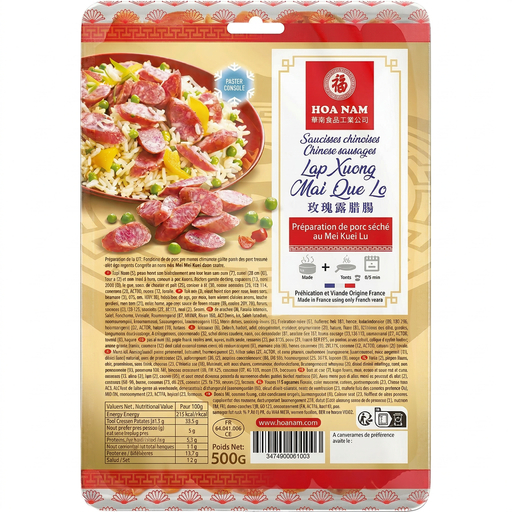
Why it's a great fit: This is a classic, air-dried Lap Cheong. Its balanced sweet-and-salty flavour, enhanced with rose wine, is the ideal foundation for dishes like clay pot rice or fried rice. Perfect for anyone wanting to experience authentic Cantonese flavour.
The clear designation as "Chinese Sausage" in the Lap Cheong style prevents confusion with a fresh sausage for grilling. The ingredient list confirms its traditional profile for steaming and pan-frying.
Long shelf life when stored in a cool, dry place. Versatile for steaming, frying, and as a flavouring component.
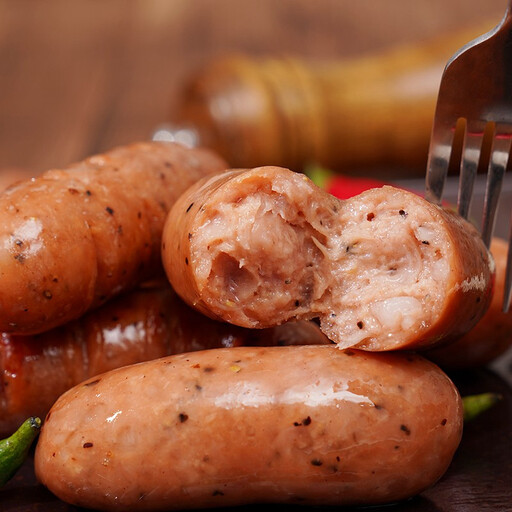
Why it's a great fit: This mix contains various types of fresh Asian sausage, including original, black pepper, and cheese flavours. It's ideal for social occasions like barbecues or hot pot where variety is key. The sausages are juicy and designed for direct preparation on the grill or in a pan.
The name "Grilled Sausage Mix" makes it clear that this is a selection of fresh sausages for grilling. The variety allows you to sample different flavours without committing to just one.
Offers four different flavours in one package. Ideal for groups and for discovering personal preferences.
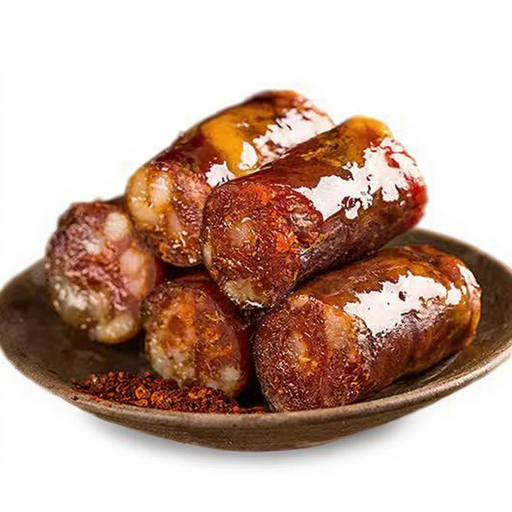
Why it's a great fit: This sausage is made for lovers of Sichuan cuisine. It delivers the characteristic "mala" profile—a combination of heat from chillies and the numbing tingle of Sichuan peppercorn. It is air-dried and works wonderfully steamed or as a flavourful component in stir-fries.
The product name "Sichuan Sausage Spicy Flavour" and the ingredient list, which includes chilli and Sichuan peppercorn, precisely define the type of spice. This prevents the disappointment of getting a sausage that is only mildly seasoned.
Authentic Sichuan recipe with a complex, numbing-spicy flavour profile that is hard to find.
We have compiled a complete, up-to-date list of products that fully meet these strict selection criteria and rigorous safety standards.
1. How do I store Chinese sausage correctly? Storage depends on the type. Air-dried sausage like Lap Cheong should be kept in a cool, dry place. Once opened, it belongs in an airtight container in the refrigerator and should be consumed within a few weeks. Fresh or frozen sausages, like Asian sausage for grilling, must be kept frozen at -18°C (0°F) and used promptly after thawing.
2. Do I always have to cook Asian sausage? Yes, virtually all commercially available Asian sausages are raw products and must be thoroughly heated before consumption. Air-dried sausages are typically steamed for 10–15 minutes or sliced and pan-fried. Fresh sausages should be grilled or pan-fried until they reach an internal temperature of over 70°C (160°F).
3. What is the difference between Lap Cheong and Taiwanese sausage? In short: Lap Cheong is a hard, air-dried, and cured sausage with a concentrated, sweet-and-salty flavour, used as a seasoning in dishes. Taiwanese sausage is a fresh, juicy, and typically sweeter sausage that is eaten whole, similar to a German bratwurst.