
Lieferung heute & morgen

Qualitätsgarantie

Willkommens-Angebote freischalten: KOSTENLOSE Lieferung | Bis zu 80 % RABATT | Kostenlose 30-Tage-JoyPlus-Testphase
App herunterladen
If you want to buy chocolate bars and cereal bars online, you’ll quickly find a wide selection of individual bars, multipacks and bulk packs of sweets. Product images may look similar, but pack sizes, individual wrapping, ingredients and nutritional values can vary considerably. So whether you’re shopping for the family, the office, vending machines or snacks on the go, it’s worth checking the product details carefully.
A bar with no added table sugar can still contain carbohydrates and naturally occurring sugars. Products containing sweeteners such as maltitol may also list polyols. These aren’t the same as sugar, but consuming them in excess can have a laxative effect. Always follow the information on the packaging.
A chocolate bar multipack or bulk pack of sweets can bring down the price per item, but it’s only worthwhile if you’ll actually use the quantity. As well as the total price, check:
Individually wrapped chocolate bars can be more practical for vending machines, kiosks and offices. For home, smaller packs are often a better choice if you want to try different flavours.
Labels such as ‘protein bar’, ‘cereal’ or ‘with milk chocolate’ tell you little about the product’s actual composition. What matters is the full ingredients list, protein content, sugar content and any potential allergens. Cereal bars can also contain glucose syrup, sugar or fat. So compare the advertised cereal content with the quantitative ingredient declaration.
Handy individually wrapped bars are easy to portion for lunchboxes, commutes and breaks at work. Examples include packs of 10, 12 or 24. Business buyers should also check that each bar has a consistent weight, to make stocking vending machines or working out prices in a kiosk straightforward.
A pack of 24 bars weighing 41.5 grams each is quite different in use from a 100-gram bar of milk chocolate. The latter is better suited to sharing or keeping in the cupboard at home, while smaller formats are designed as snacks on the go.
Wafers and chocolate bars often contain wheat, milk, soya, peanuts or hazelnuts. They may also carry warnings about traces of other nuts or eggs. If you have an allergy, check the packaging before eating the product, as recipes can change.
With milk chocolate, it’s worth checking the cocoa and milk ingredients. Darker chocolate with 70 per cent cocoa has a different nutritional profile from a filled bar with wafer, cream or caramel. The term ‘coconut bar’ could refer to desiccated coconut, coconut flour or coconut milk powder.
Values per 100 grams make it easier to compare products, but they don’t always tell the whole story for everyday use. For example, a 50-gram bar provides roughly half the values listed per 100 grams. Pay particular attention to:
So a product labelled ‘sugar-free bars’ shouldn’t automatically be assumed to be sugar-free. Check the specific labelling and distinguish between no added sugar, reduced sugar and the sugar values actually listed.
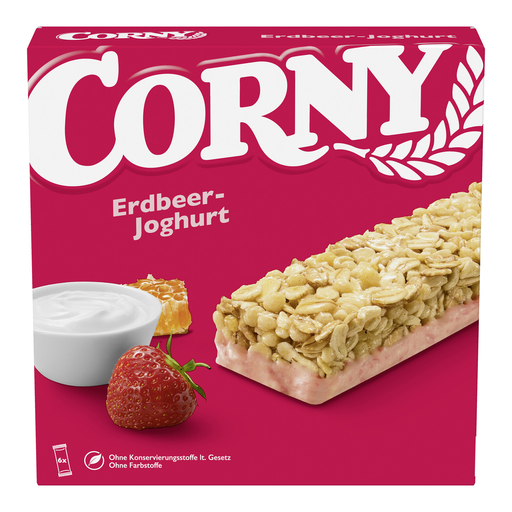
Why this product suits this profile: The pack contains six individually portioned bars weighing 25 grams each, making them a handy choice for breaks, lunchboxes or keeping a small stock at home.
The weight of each bar and the total quantity are clearly stated. The product details also list 22 per cent wholegrain cereal flakes, as well as allergens such as gluten and milk.
Six 25-gram bars, 22 per cent wholegrain cereal flakes and 450 kcal per 100 grams according to the product information.
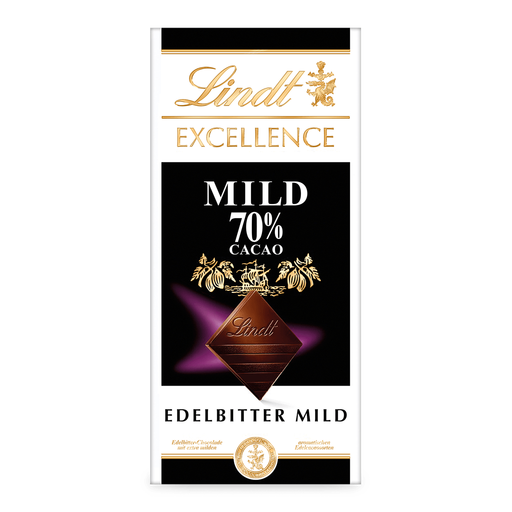
Why this product suits this profile: This 100-gram bar is for shoppers who prefer a clearly defined type of chocolate with a stated cocoa percentage.
The cocoa content is stated as at least 70 per cent. The ingredients list is relatively short, and potential traces of nuts and milk are declared.
70 per cent cocoa content according to the product information and 610 kcal per 100 grams.
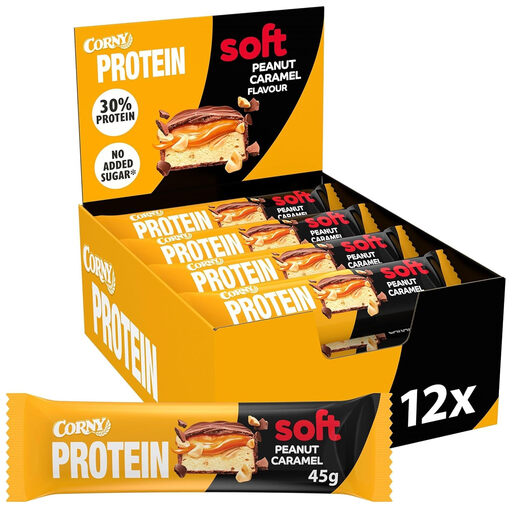
Why this product suits this profile: This multipack of twelve 45-gram bars is designed for regular use, whether at the office, on your commute or as part of a stash of snacks for an active lifestyle.
The product information explicitly states 30 per cent protein and ‘no added sugar’. It also lists maltitol, 12.2 grams of polyols per 100 grams and a warning about possible excessive consumption.
12 individually portioned bars, 13.5 grams of protein and 176 kcal per 100 grams according to the product details.
We’ve put together a complete, regularly updated list of products that meet these strict selection criteria and fully comply with the safety regulations in force across the EU.
For eating on the go, individually wrapped chocolate bars or cereal bars weighing around 20 to 50 grams are a practical choice. They fit easily into a bag, rucksack or lunchbox and don’t need to be shared. In summer, check the storage instructions, as chocolate can soften in warm weather.
The best-before date is shown on the individual packaging. Unopened bars should be stored in a cool, dry place away from direct sunlight. Heat can affect the surface and texture of products coated in chocolate, but that alone doesn’t mean they’re past their best-before date.
A multipack makes sense if the bars will be eaten regularly and individual portions are useful. For offices, cafés, kiosks and vending machines, larger packs of individually wrapped products are often easier to store and hand out. Still, compare the price per item, total weight, demand and best-before date before buying.