
Lieferung heute & morgen

Qualitätsgarantie

Willkommens-Angebote freischalten: KOSTENLOSE Lieferung | Bis zu 80 % RABATT | Kostenlose 30-Tage-JoyPlus-Testphase
App herunterladen
As a Joybuy Product Recommendation Officer, I see the vast diversity of the chocolate market every day. When you buy chocolate online, the sheer number of options can be overwhelming. From affordable private labels to premium bars, every package promises a unique taste experience. But not every chocolate lives up to its promise. My goal is to provide you with objective criteria to help you make an informed decision and avoid disappointment.
Many shoppers are guided by familiar brand names or eye-catching packaging, but the true markers of quality are often found in the fine print. Before you order chocolate online again, you should be aware of the following common pitfalls.
To find the right 100g chocolate bar for your taste and purpose, you should check three key parameters. These will help you distinguish marketing promises from actual product quality.
The cacao content indicates the percentage of all ingredients derived from the cacao bean—namely, cacao mass and cocoa butter. This value is the decisive factor for classification and taste:
The quality of a chocolate can often be judged by the length and order of its ingredient list. Pay attention to the following points:
Your purchasing decision should also depend on what you plan to use the chocolate for:
To make your decision easier, we have put together a few products for different profiles and needs.
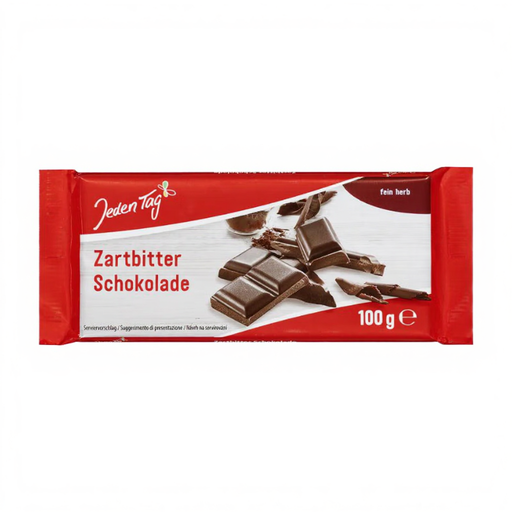
Why This Fits Their Persona: Ideal for daily enjoyment when a solid dark chocolate flavour is desired without the premium price tag. A straightforward choice for the pantry.
With a clearly declared cacao content of at least 50% and a short ingredient list without unnecessary fillers, this bar offers a transparent product promise.
The product is Rainforest Alliance Certified, which points to more sustainable cacao farming. The value for money is a clear advantage.
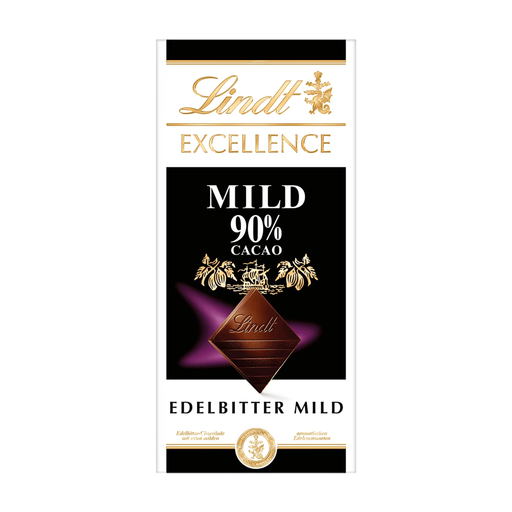
Why This Fits Their Persona: Perfect for lovers of an intense, deep, and low-sugar cacao aroma. This chocolate is designed for a mindful moment of indulgence, often paired with coffee or wine.
The high cacao content of 90% is backed by the expertise of Lindt Chocolate, ensuring high-quality beans and processing. The sugar content is very low at just 7g per 100g.
Offers an exceptionally smooth mouthfeel for a chocolate with such a high cacao content. The ingredient list is minimalist and focused on the essentials.
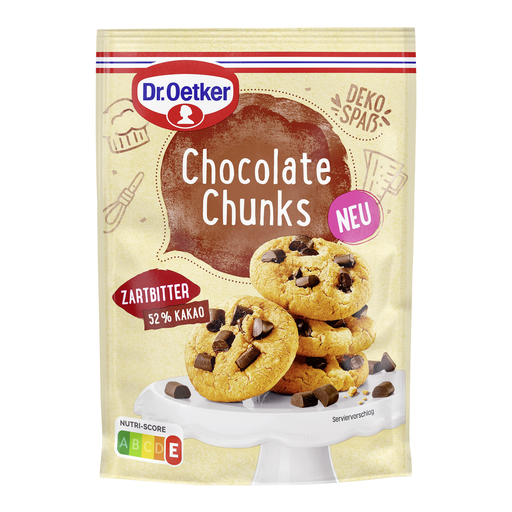
Why This Fits Their Persona: For home bakers who need a reliable product for American-style cookies, muffins, or cakes, where the chocolate pieces remain visible and firm after baking.
This baking chocolate is explicitly designed for high temperatures. It bypasses the problem of uncontrolled melting that occurs when using regular chocolate bars in the oven.
The chunk format ensures an appealing look and a pleasant texture in baked goods. The cacao is Rainforest Alliance Certified.
We have compiled a complete, up-to-date list of products that meet these strict selection criteria and quality standards.
The cacao content indicates the total percentage of ingredients derived from the cacao bean. This includes the cacao mass (the solid, aromatic part) and the cocoa butter (the fat from the bean). A higher cacao content generally means a more intense, less sweet chocolate flavour and a lower proportion of sugar and, if applicable, milk powder.
Chocolate should be stored in a cool, dry, and dark place at a constant temperature between 15°C and 18°C (59°F and 64°F). Do not store it in the refrigerator, as the humidity can lead to "sugar bloom"—a greyish layer that, while harmless, affects the texture. Additionally, chocolate can absorb foreign odours, so it should be kept away from strong-smelling foods.
Not necessarily. Although dark chocolate often contains no milk components, traces of dairy products can get into the chocolate during the manufacturing process. Some manufacturers also use butterfat for refinement. For a strictly vegan diet, it is therefore essential to carefully check the ingredient list and allergen information on the packaging or to look for products explicitly labelled as vegan.