
Lieferung heute & morgen

Qualitätsgarantie

Willkommens-Angebote freischalten: KOSTENLOSE Lieferung | Bis zu 80 % RABATT | Kostenlose 30-Tage-JoyPlus-Testphase
App herunterladen
If you're looking to buy citrus drinks, you'll find a huge selection of lemonade, orangeade, orange juice, lemon-lime drinks and lemon-lime iced tea. For households, multi-packs are often the most practical choice, while offices, catering businesses and event organisers need to plan for predictable quantities and suitable single servings.
However, the product name alone isn't enough to make a sensible choice. Sugar content, fruit percentage, packaging and intended use can vary significantly. The following criteria will help you avoid common mistakes.
A prominent label like 'Orange', 'Lemon' or 'Lime' describes the flavour first and foremost. It doesn't automatically tell you how much juice is actually inside. A lemonade, for example, may contain sugar, acidity regulators and natural flavourings, whereas an orange juice is made from 100 % fruit juice.
If you want to buy fruit juice, always check the ingredients list. Claims such as 'orange juice from orange juice concentrate' or 'lemon juice from lemon juice concentrate' are very different from flavoured soft drinks.
Fruit juices naturally contain sugar. An orange juice with 100 % fruit content can have around 8 to 9 g of sugar per 100 ml according to the nutrition table, without any added sugar. A sugar-free lemonade, on the other hand, is a completely different product category and is usually made with sweeteners.
For example, Sprite Zero Sugar states 0 g sugar and 1 kcal per 100 ml. The ingredients list includes aspartame and acesulfame K, among others. The product information also notes that it contains a source of phenylalanine. Anyone with a relevant intolerance should read the label particularly carefully.
Multi-packs of drinks can be convenient for families, offices or events. However, what really matters is the total volume, bottle size, storage space and how quickly you'll use them. A crate of 24 x 0.33-litre glass bottles offers a very different experience from six 1.5-litre PET bottles.
Before you buy, work out the total quantity. For products that need to be consumed quickly after opening, it's also wise to match the bottle size to the number of people.
Nutritional values are usually given per 100 ml. For a direct comparison, sugar, carbohydrates and energy are the most important figures. A 0.33-litre bottle with 10.7 g of sugar per 100 ml contains roughly 35 g of sugar. A litre of orange juice with 8.8 g of sugar per 100 ml works out at about 88 g per pack.
When choosing between lemonade, orangeade or lemon-lime iced tea, don't just think about the flavour – consider the portion size too.
For orange juices, phrases like 100 % orange juice or a specific percentage of orange juice concentrate are key reference points. Products such as Amecke 100 % Orange and Pfanner Organic Orange Juice 100 % can be clearly distinguished from fruit juice drinks with a lower fruit content based on this information.
The kitchen has different requirements: lemon juice for cooking should have a clear ingredient base and a suitable dosing size. According to the product description, Rauch Pure Lemon Juice for Cooking is made from 100 % lemon juice from lemon juice concentrate and contains no added sugar or preservatives. It is intended for cooking, baking, dressings and marinades, and the label states it is not for direct drinking.
Glass bottles can be ideal for the dining table or catering use, but they are heavier and take up more storage space. PET bottles often offer larger volumes for stocking up. Small pouches or single-serve packs are easier to portion out for on-the-go or children's events.
Unopened products should be stored according to the packaging instructions. Once opened, juices and lemonades belong in the fridge and should be consumed within the recommended time frame. For carbonated drinks, the pressure – and therefore the drinking experience – decreases after opening.
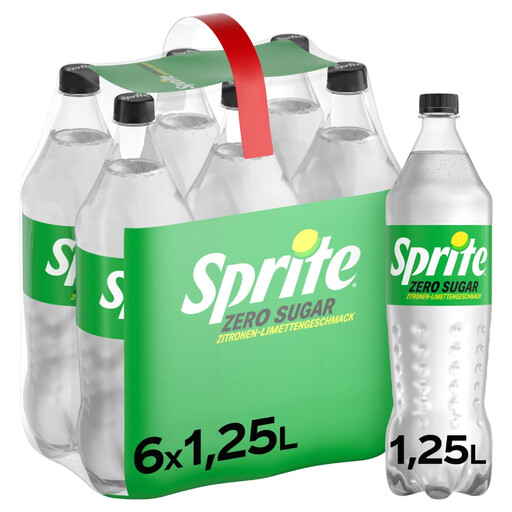
Why this product fits the profile: A lemon-lime drink in a multi-pack for households, offices and occasions where a sugar-free option is needed.
The label states 0 g sugar and 1 kcal per 100 ml. However, the sweeteners and the phenylalanine warning should still be noted.
Carbonated drink with lemon and lime flavours in a multi-pack; refrigerate after opening.
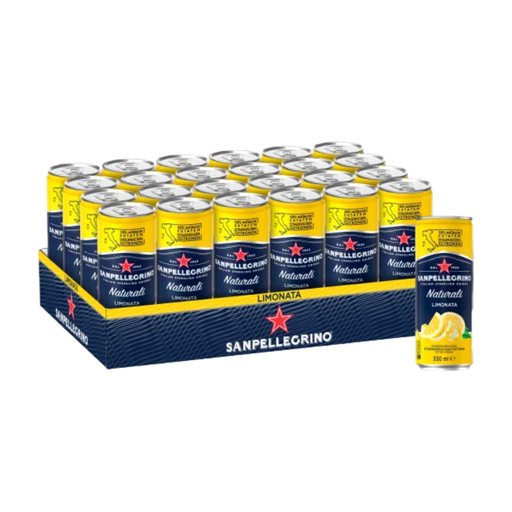
Why this product fits the profile: An Italian lemonade in 0.33-litre glass bottles, perfect for meals, catering, parties or the dining table.
The product details list ingredients such as carbonated water, sugar, lemon juice concentrate and natural flavourings. Check the fruit content on the label before buying.
24 glass bottles of 0.33 l each; made in Italy according to the product information and ready to serve chilled.
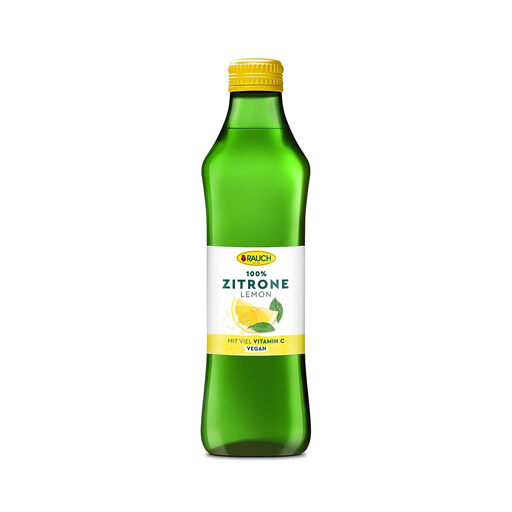
Why this product fits the profile: Ideal for kitchens, bakeries, catering businesses and households that want to use lemon juice for cooking in measured portions.
The intended use is clearly stated for food, dressings, marinades, baked goods and drinks. The 'not for direct drinking' label prevents misuse.
250 ml bottle with 100 % lemon juice from concentrate, no added sugar and no preservatives according to the product description.
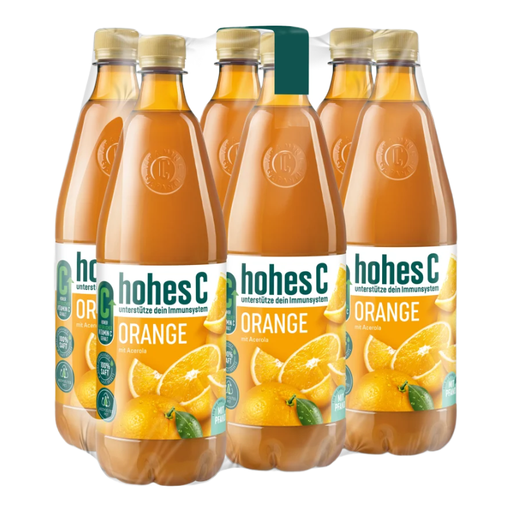
Why this product fits the profile: A 6-pack with 6 litres in total, ideal for breakfast, family households or stocking up the office.
The product details state 99.5 % orange juice from concentrate and 0.5 % acerola juice concentrate, with no added sugar. The natural sugar content still needs to be considered.
Six 1-litre bottles; mild flavour according to the product name and 43 kcal per 100 ml based on the stated nutritional values.
We've put together a full, regularly updated list of products that meet these strict selection criteria and comply with all applicable EU safety regulations.
For events, 0.33-litre bottles or cans are easy to hand out and perfectly portioned. For self-service areas, 1-litre or 1.5-litre bottles can be more economical. When planning, consider the number of guests, chilling options, storage space and the effort involved in returns or disposal.
Once opened, juices and carbonated drinks should be stored in the fridge and consumed within the manufacturer's recommended time. For many products, this is three to four days for juices and around three days for opened lemonades. Always follow the instructions on the individual packaging.
Lemonade typically consists of water, carbon dioxide, sugar or sweeteners, acidity regulators and flavourings; the fruit content can be low. Orange juice with 100 % fruit content, on the other hand, is based on orange juice, often from concentrate. For comparison, the ingredients list, fruit content and nutrition table are what really matter.