
Lieferung heute & morgen

Qualitätsgarantie

Willkommens-Angebote freischalten: KOSTENLOSE Lieferung | Bis zu 80 % RABATT | Kostenlose 30-Tage-JoyPlus-Testphase
App herunterladen
If you’re looking to buy Coca-Cola Zero Sugar, you’ll find plenty of pack sizes, flavours and alternatives online. The range stretches from individual 1.25-litre bottles and cans through to Coca-Cola Zero Sugar multi-packs for the home, office or events. At first glance, many offers look similar. However, differences in caffeine content, sweeteners, volume and packaging format can have a real impact on which option suits you best.
Coca-Cola Zero, Sinalco Cola Zero and similar drinks contain no sugar – or, according to the product information, 0 g of sugar per 100 ml. Sweeteners are used to provide the sweetness. The Coca-Cola Zero Sugar products listed here use aspartame, acesulfame K and sodium cyclamate, among others.
Aspartame also indicates a source of phenylalanine. Anyone with a related intolerance should check the ingredients and warning labels on the actual bottle or can. “Sugar-free” does not automatically describe the drink’s full composition.
Classic Coca-Cola Zero Sugar contains caffeine. If you’re after a Coca-Cola Zero Sugar without caffeine, you should specifically look for the “Caffeine Free” version. This is particularly relevant for households where caffeine is to be avoided, as well as for drinking in the evening.
Cola alternatives such as Sinalco Cola Zero, Coca-Cola Zero Sugar Cherry or Coca-Cola Zero Sugar Lemon also indicate caffeine in their product information. The exact labelling can vary depending on the recipe and packaging, so it’s worth checking the current label.
A multi-pack with many individual units often looks good value. What really matters, though, is the price per litre, not just the price per bottle or can. A Coca-Cola Zero Sugar 24x0.33 l pack contains 7.92 litres, while a Coca-Cola Zero Sugar 6x1.25 l pack contains 7.5 litres. So the volumes are fairly similar, but they work differently in everyday use.
For events, small cans are often easier to hand out. For the fridge at home, a 1.25-litre or 2-litre format can mean less packaging per volume of drink. You should also consider storage space, transport weight and any deposit requirements before buying online.
The most common formats in the range are:
PET bottles are good for stocking up and can be resealed after opening. Cans offer individual portions but use more individual packaging. Glass bottles suit a dining table or office set-up, but are heavier and less shatter-resistant.
For the Coca-Cola Zero Sugar products listed, the values are typically 0 to 0.2 kcal per 100 ml and 0 g of sugar. Coca-Cola Zero Sugar Cherry shows 1 kcal per 100 ml in the product data. These differences are small, but they show why the nutrition table for each variety is the one to go by.
“Calorie-free cola” is a common search term in everyday use. Legally and factually, buyers should rely on the specific nutritional information. Even drinks without sugar still contain ingredients such as acidity regulators, colourings, flavourings and sweeteners as part of the recipe.
Alongside the classic variety, there are options like Coca-Cola Zero Sugar Cherry, Coca-Cola Zero Sugar Vanilla and Coca-Cola Zero Sugar Lemon. Cherry adds a fruity note to the cola taste, Vanilla brings a vanilla flavour, and Lemon adds a citrus element. If you prefer a familiar cola taste, go for the classic version; if you fancy a change, you can order a flavoured variety.

Why this product fits the profile: The 6-pack of 1.25-litre bottles gives you 7.5 litres of Coca-Cola Zero Sugar for the home, office or a small stock-up.
The total volume and pack contents are clearly stated, so you can compare the price per litre directly with other multi-packs.
6 PET bottles, each 1.25 litres; according to the product information, 0.2 kcal and 0 g of sugar per 100 ml.
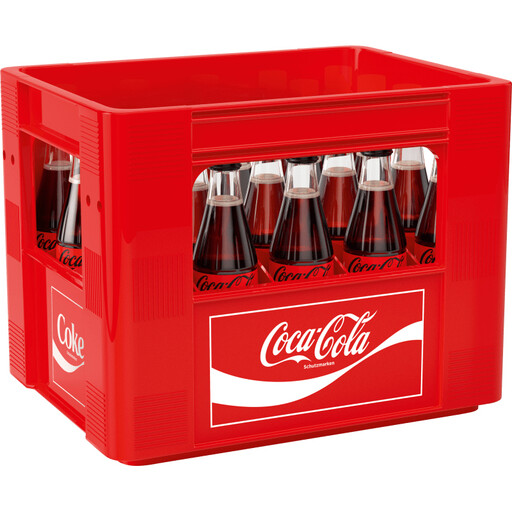
Why this product fits the profile: The glass bottle format is ideal for meals, offices and get-togethers where individual portions are preferred.
The individual 0.4-litre size stops a large bottle from sitting open for too long. However, this format is heavier than PET.
20 returnable glass bottles totalling 8 litres; convenient 0.4-litre individual portions.

Why this product fits the profile: The caffeine-free recipe is aimed at buyers who want the cola taste without caffeine – for example, in the evening or for a household that avoids it.
The “Caffeine Free” label clearly distinguishes this variant from caffeinated Coca-Cola Zero Sugar. You should still check the ingredients list before consuming.
6 x 1.25 litres; according to the product information, no sugar, no calories and no caffeine.
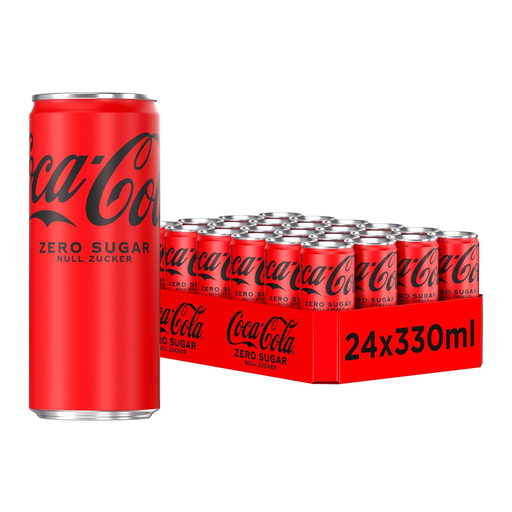
Why this product fits the profile: The 0.33-litre cans are ideal for events, meetings and situations where each person gets their own serving.
The portioning reduces leftover open drinks. Before buying, though, check whether the price per litre and the storage space needed suit your use.
24 cans totalling 7.92 litres; according to the product data, 0.2 kcal and 0 g of sugar per 100 ml.
For a change, you can choose from Coca-Cola Zero Sugar Vanilla, Coca-Cola Zero Sugar Cherry and Coca-Cola Zero Sugar Lemon, among others. These varieties are each available in a 6-pack of 1.25 litres. When comparing them, you should consider not only the flavour but also the nutritional values and ingredients.
If you’d like to order a different sugar-free cola online, you could also look at Sinalco Cola Zero or Coca-Cola Light Taste. Mezzo Mix Zero Sugar combines cola and orange flavours and, according to the product information, contains 0.2 g of carbohydrates and 0.2 g of sugar per 100 ml. So the “Zero” label doesn’t mean exactly the same nutritional values for every product.
We’ve put together a full, regularly updated list of products that fully meet these strict selection criteria and the safety regulations in force in the EU.
According to the product data provided, Coca-Cola Zero Sugar contains 0 g of sugar per 100 ml. The sweetness comes from sweeteners such as aspartame, acesulfame K and sodium cyclamate. The ingredients list of the specific item you buy is the one that counts.
For regular stocking up, 6 x 1.25 litres or 6 x 2 litres are practical formats. Smaller households may find 0.33-litre cans easier to portion. When deciding, consider your consumption level, fridge space, storage and the price per litre together.
According to the product information, unopened bottles and cans should be stored in a cool, dry place away from direct sunlight. Once opened, the drink should be kept in the fridge. The specific recommendation for how long it stays good after opening may vary depending on the label and packaging format.