
Lieferung heute & morgen

Qualitätsgarantie

Willkommens-Angebote freischalten: KOSTENLOSE Lieferung | Bis zu 80 % RABATT | Kostenlose 30-Tage-JoyPlus-Testphase
App herunterladen
If you’re looking to buy cocoa powder, you’ll find products with very different recipes, portion sizes and preparation methods. A sweet drinking chocolate powder isn’t necessarily suitable for cakes, and pure cocoa powder usually dissolves less easily in cold milk than an instant product. Terms such as ‘light’, ‘with added vitamins’ or ‘intense chocolate flavour’ also tell you little on their own about the ingredients or nutritional values.
Unsweetened cocoa powder often consists entirely or mainly of cocoa. By contrast, sugar is often the first ingredient in drinking chocolate and chocolate powder. Nesquik is one example: according to the product information, its drinking chocolate powder contains 23% low-fat cocoa powder, while sugar is the main ingredient.
So, pure cocoa powder is a better choice for a less sweet drink or for baking. For a quick drink made with milk, a sweetened cocoa drink powder may be more convenient.
In Germany, nutritional values are generally given per 100 g. Brands often also list the values for a small serving. These figures are only comparable if you take the amount used into account too. Nesquik, for example, recommends around 13.5 g of powder for 200 ml of milk. Kaba lists 78 kcal and 16 g of sugar per 20 g serving.
If you want to reduce your sugar intake, don’t just look at the calories per serving: check the ingredients list and the sugar content per 100 g. A low-calorie flavouring powder may be intended for a different use, such as adding to quark, yoghurt or drinks, rather than as a traditional drinking chocolate.
Instant cocoa is designed to dissolve quickly in liquid. When baking, however, a sweetened powder can alter the proportions in a recipe. Baking cocoa, whose sweetness you can adjust separately, is often more suitable for brownies, sponge cakes and icing.
Dessert powders also have a clearly defined purpose: chocolate dessert powder is usually whisked with milk and isn’t intended as a substitute for baking cocoa.
Ingredients are listed in order of quantity. If sugar is first, the product is generally a sweetened drinking chocolate powder. Pure cocoa powder should list only cocoa or cocoa powder as an ingredient.
According to the product information, Basak Cocoa Powder 100 g is made with 100% cocoa powder and contains 0.5 g of sugar per 100 g. This makes it suitable for recipes where you want to control the sweetness yourself. If you have allergies or intolerances, it’s also important to check for any ‘may contain’ warnings.
Compare energy, sugar, fat, protein and salt using the same basis. Depending on the recipe, sweetened products can contain considerably more sugar. According to the product information, Alnatura Organic Drinking Cocoa contains 60 g of sugar per 100 g, while Basak Cocoa Powder contains 0.5 g.
That doesn’t mean one product is automatically suitable for every diet. The intended use, serving size and your individual dietary plan all matter. Information about vitamins or sustainably grown cocoa shouldn’t be taken to mean that a product has a medical effect.
For families, a powder that dissolves in both cold and warm milk can be convenient. According to the product information, Alnatura’s product can be made by stirring one or two heaped teaspoons into warm or cold milk, and can also be prepared with a vegan alternative. Check for allergens in products containing milk powder, soya lecithin or whey ingredients.
Once opened, store the powder in a dry place in a tightly sealed container. Transferring a refill pouch into an airtight tin can help prevent lumps and loss of flavour. Also check the recommended amount: capsules and individual sachets are convenient, but usually create more packaging per drink than a large pouch.
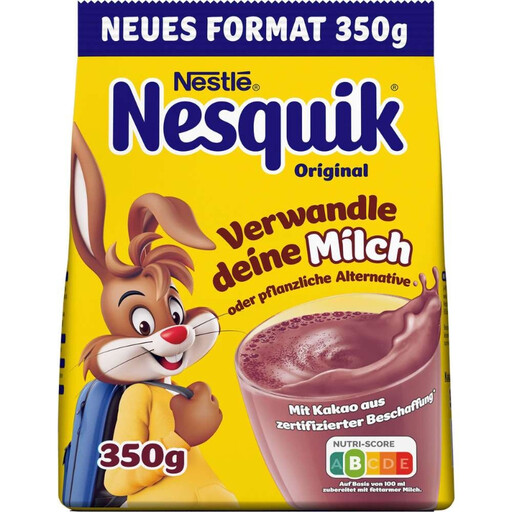
Why this product suits this need: The refill pouch is designed for making hot or cold cocoa drinks with milk regularly. According to the product information, the recommended amount is around 13.5 g per 200 ml of milk.
The clear serving recommendation makes it easier to measure out the right amount. Once opened, the refill pouch should be sealed tightly or decanted into a suitable container.
350 g pack, suitable for hot and cold milk, and made with 23% low-fat cocoa powder according to the product information.
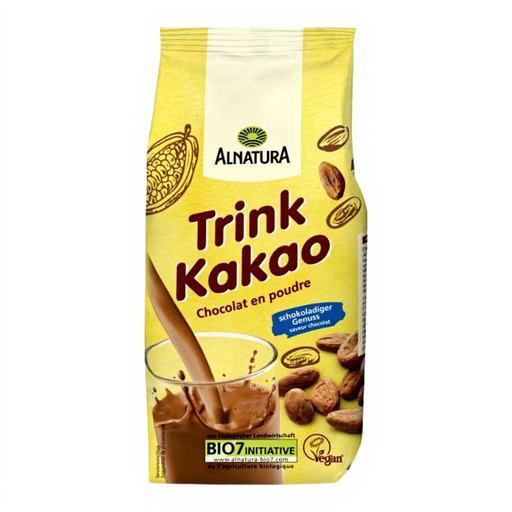
Why this product suits this need: According to the product information, it is certified organic under DE-ÖKO-001 and contains raw cane sugar and cocoa powder from organic farming.
The organic certification provides a verifiable guide to the product’s certification status. Its sugar content can be compared transparently using the nutrition table.
400 g pack, vegan and lactose-free according to the product information, and suitable for hot and cold liquids.
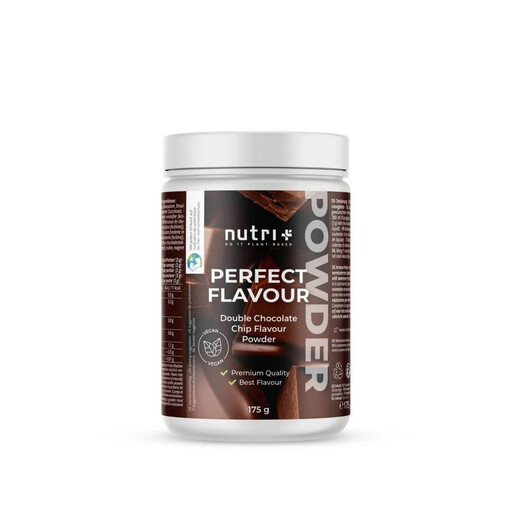
Why this product suits this need: According to the product information, this flavouring powder is intended for quark, liquids and other foods. A 3 g serving provides 7 to 11 kcal, according to the supplier.
The small serving size and specific usage recommendations make it easy to work out the calories per use. It isn’t a substitute for pure baking cocoa.
175 g tub, chocolate pieces in the recipe, and suitable for a vegan diet according to the product information.
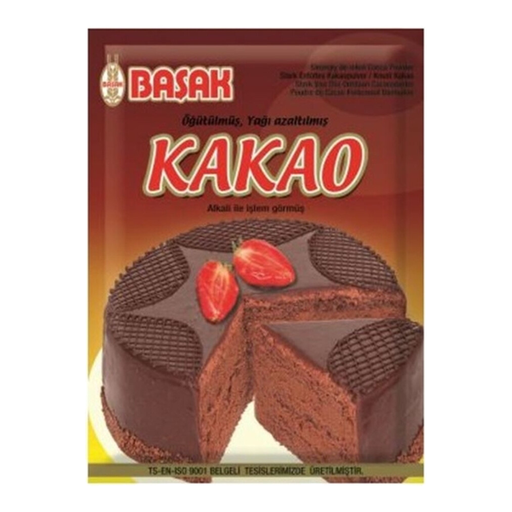
Why this product suits this need: According to the product information, this unsweetened powder is intended for cakes, brownies, biscuits, puddings and homemade cocoa drinks.
As the product information lists no added sugar, you can decide how sweet to make your recipe. Remember to check the warning about possible traces.
100 g pack, 100% cocoa powder according to the product information, and 0.5 g of sugar per 100 g.
We’ve put together a complete, regularly updated list of products that meet these strict selection criteria and fully comply with the safety regulations in force in the EU.
Unsweetened cocoa powder is a practical choice for cakes, brownies and biscuits, as you can adjust the sugar and sweeteners in the recipe yourself. Check that cocoa powder is the only ingredient listed. Sweetened drinking chocolate can alter the flavour and texture of your baking.
Check the packaging for the specific shelf life. Once opened, cocoa powder should be stored in a cool, dry place in an airtight container. Moisture can cause lumps and affect the flavour. Don’t use the product if it has an unusual smell, looks different or contains visible contaminants.
The cost depends on how much powder you use, whether you add milk or a milk alternative, and the pack size. For a realistic comparison, divide the pack price by the number of servings it can make. Capsules and individual sachets are convenient, while large packs and refill pouches often have a different cost per drink. The manufacturer’s recommended amount remains the key factor.