
Lieferung heute & morgen

Qualitätsgarantie

Willkommens-Angebote freischalten: KOSTENLOSE Lieferung | Bis zu 80 % RABATT | Kostenlose 30-Tage-JoyPlus-Testphase
App herunterladen
By Joybuy Product Recommendation Officer, 29 August 2026
For anyone looking to create authentic Asian dishes or seeking a plant-based alternative for creamy sauces and desserts, coconut milk is an essential ingredient. Yet, when trying to buy coconut milk, you're often faced with an overwhelming selection. The packaging makes big promises, but not every product delivers the desired quality. This guide will help you navigate the common pitfalls and make an informed decision.
Many products on the market use marketing terms that obscure more than they clarify. Before you invest your money, you should be aware of these two widespread issues:
To find the right coconut milk for your needs, focus on two objective criteria that determine taste and consistency.
Fat content is the most important indicator of quality and intended use for coconut milk for cooking. It directly correlates with the percentage of coconut extract and determines how rich and stable the milk is when heated.
The ingredients list reveals what's in the product besides coconut and water.
Instead of making a one-size-fits-all recommendation, we have selected products for specific user profiles based on objective characteristics.
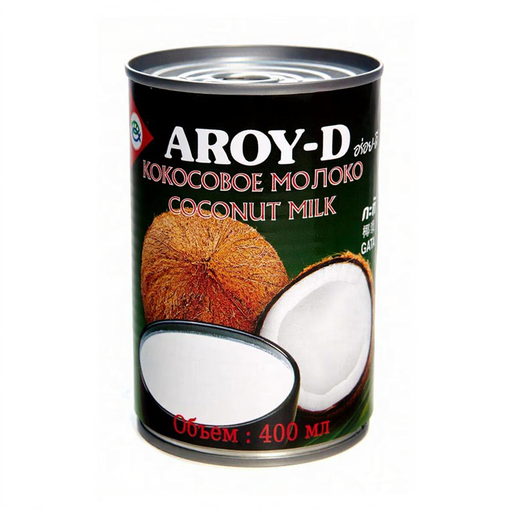
Why This Fits Their Persona: Ideal for cooks who want an authentic, unadulterated coconut flavour without unnecessary additives. Perfect for preparing rich Thai curries that demand high creaminess and heat stability.
This product avoids the "creaminess" trap with a high coconut extract content of 70% and a fat content of 19%. The creaminess is natural and not created by thickeners.
High Fat Content (19%): Ensures excellent consistency and stability during cooking.
Short Ingredients List: According to the manufacturer, it contains only coconut extract, water, and an emulsifier.
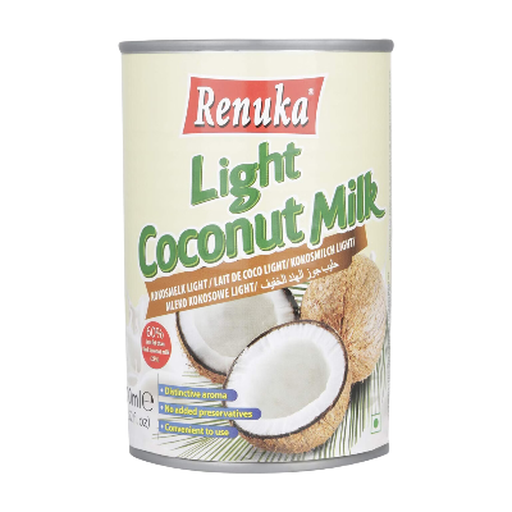
Why This Fits Their Persona: For users who love the taste of coconut but are mindful of fat content. This light version is excellent for smoothies, cereals, light soups, or as a milk substitute in drinks.
This product is transparently labelled as a "Light" version and doesn't create false expectations about the richness of a full-fat coconut milk. It specifically serves the demand for a reduced-fat option.
Reduced Fat Content: A lighter alternative with 9% fat.
Versatile: Works well for cold applications and dishes where high creaminess is not required.
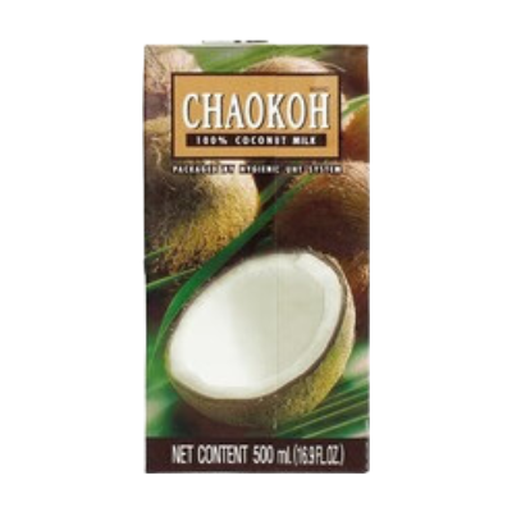
Why This Fits Their Persona: For anyone who cooks regularly and needs a reliable, high-quality coconut milk in convenient packaging. The Tetra Pak is easy to open, portion, and reseal.
The Tetra Pak packaging prevents a potential metallic aftertaste that can occur with improperly stored open cans. The high fat content of 18% ensures a dependable, creamy quality.
Convenient Packaging: The 500ml Tetra Pak is resealable and easy to store.
High Fat Content (18%): Reliably guarantees creamy results for a variety of dishes.
If you're looking for more products selected based on objective criteria like fat content, ingredients, and packaging type, you can find our full assortment here.
1. Why is my coconut milk separating in the can? Has it gone bad? No, this is a natural process and often a sign of high quality, especially in products with few or no stabilisers. The fatty coconut cream settles on top at cooler temperatures. Shake the canned coconut milk vigorously before opening or stir the contents in a bowl to restore the original consistency.
2. Can I use coconut milk from a Tetra Pak the same way as from a can? Yes, the contents are identical for cooking purposes. Coconut milk in a Tetra Pak is often UHT (Ultra-High Temperature) treated, which allows for a long shelf life at room temperature. The main difference is the packaging, which many find more convenient for storage after opening. Both versions are equally suitable for cooking and baking.
3. How long does opened coconut milk last? After opening, regardless of the packaging, coconut milk should be transferred to a non-metallic, airtight container. Stored in the refrigerator, it should be used within 2 to 3 days, as it can quickly absorb other odours and spoil.