
Lieferung heute & morgen

Qualitätsgarantie

Willkommens-Angebote freischalten: KOSTENLOSE Lieferung | Bis zu 80 % RABATT | Kostenlose 30-Tage-JoyPlus-Testphase
App herunterladen
Finding the right coconut milk can be a challenge with so many options on the shelf. Whether for an authentic Thai curry, a creamy soup, or a vegan dessert, the right choice significantly impacts the final result of your dish. This guide is designed to help you understand the differences between products and make an informed decision that suits your culinary needs.
As a Joybuy Product Recommendation Officer, my job is to provide you with objective information and practical criteria so you can find the exact coconut milk you need for your recipe.
To select the right coconut milk for your kitchen, a few key product features are crucial. These criteria will help you quickly assess a product's quality and suitability.
The percentage of coconut extract is a direct indicator of the coconut milk's creaminess and flavour.
The nutritional information on the can of coconut milk provides precise details on the fat content per 100 ml.
The ingredients list reveals the product's purity.
The most common packaging for cooking coconut milk is the metal can, as it protects the product from light and air. When purchasing, ensure the can is undamaged—free of dents, rust, or bulges. After opening, the contents should be transferred to a resealable container, stored in the refrigerator, and consumed within a few days.
Based on the criteria above, we have compiled a selection of products suitable for various uses.
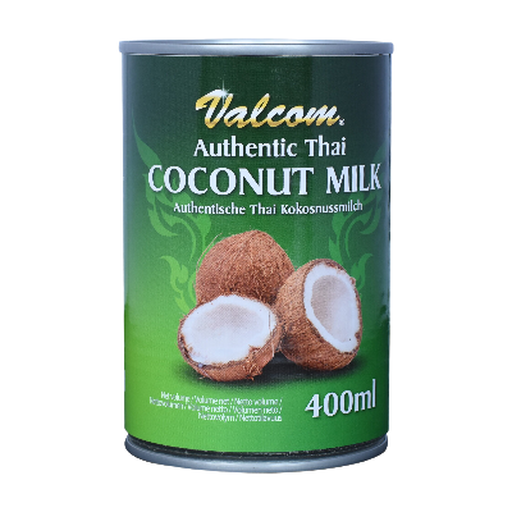
Why It Stands Out: With a very high coconut extract content of 75%, this product delivers an exceptionally rich and creamy texture. The fat content of 18g per 100 ml highlights its density, which is often desired for authentic Asian dishes.
Advantages:
Who It's For: For cooks seeking an especially creamy coconut milk to prepare rich curries, thick sauces, or decadent desserts.
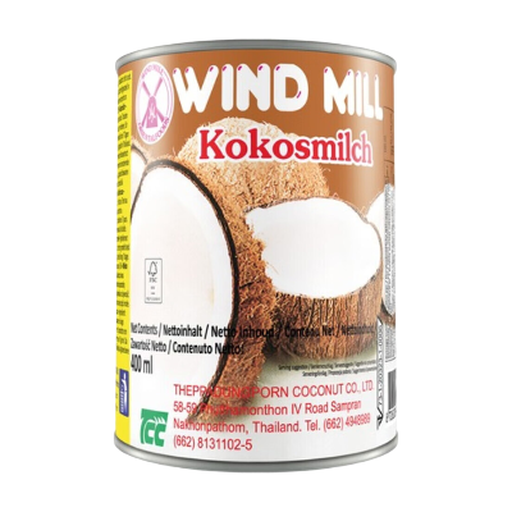
Why It Stands Out: This product positions itself as a lighter alternative with a fat content of 13.9g and a coconut extract percentage of 42%. It is Halal-certified and suitable for vegetarian and vegan diets.
Advantages:
Who It's For: Ideal for health-conscious consumers and for recipes that require a more liquid consistency, such as light soups, marinades, or smoothies.
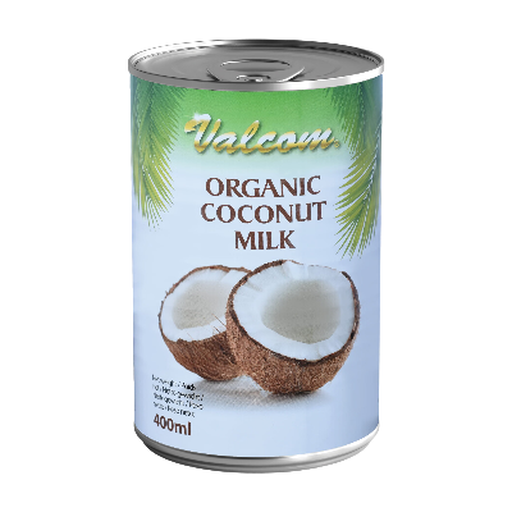
Why It Stands Out: This organic coconut milk is made from organically grown coconuts from Sri Lanka. With a coconut extract content of 68% and a fat content of 17.4g, it offers a great balance of creaminess and natural sourcing.
Advantages:
Who It's For: For anyone who values organic sourcing when buying Asian cooking ingredients and is looking for a creamy, pure product for various dishes.
This selection covers some of the most common needs. However, the world of coconut milk is diverse and offers other specialities, such as products without any additives or in different packaging sizes. If you wish to explore a wider range of options, you can find more alternatives with us.
Discover our entire range of vegan coconut milk and find the perfect product for your next dish.
Coconut milk, typically sold in a can, is a thick ingredient used for cooking. It consists of a high percentage of coconut extract and fat. Coconut drinks, usually offered in cartons, contain significantly more water, are thinner, and are often used as a vegan milk alternative for cereal, coffee, or for drinking straight.
Opened coconut milk should not be stored in the metal can, as it can take on a metallic taste. Transfer the leftovers to a clean, airtight container made of glass or plastic. Stored in the refrigerator, it should generally be consumed within 3 to 7 days, according to the manufacturer's instructions.
At cooler temperatures, the coconut fat can solidify and separate from the watery phase. This is a natural process and not a sign of spoilage. Simply warm the coconut milk in a pot over low heat and stir until it returns to a smooth, liquid consistency. A vigorous shake of the can before opening can also help.