
Lieferung heute & morgen

Qualitätsgarantie

Willkommens-Angebote freischalten: KOSTENLOSE Lieferung | Bis zu 80 % RABATT | Kostenlose 30-Tage-JoyPlus-Testphase
App herunterladen
The selection of coconut milk on the supermarket shelf can be overwhelming. Whether for a creamy Thai curry, as a vegan alternative in coffee and cereal, or for an exotic cocktail—not every coconut milk is equally suited for every purpose. The differences in fat content, ingredients, and origin are crucial for the final outcome of your dishes.
This guide is designed to provide you with clear direction. We'll explain the key quality characteristics and present a selection of products, helping you make an informed decision and buy the right coconut milk.
To find the right product for your needs, three criteria are particularly important: fat content, the ingredient list, and origin.
The deciding factor for the creaminess and flavour of coconut milk is its coconut extract percentage. This also determines the fat content.
The ingredient list provides insight into the product's purity.
The most common packaging for cooking coconut milk is the can of coconut milk. It effectively protects the contents from light and oxygen, which contributes to its shelf life. After opening, the contents should be transferred to a sealable container and stored in the refrigerator, as the metal from the can may react with the contents.
Based on objective product characteristics such as ingredients, nutritional values, and intended use, we have compiled a selection that covers a range of needs.
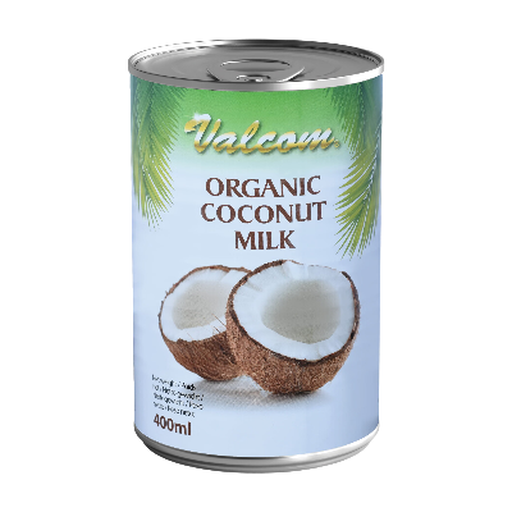
Why it's a great choice: This product combines a creamy texture with the benefits of organic certification. The coconut extract comes from organic farms in Sri Lanka, ensuring a pure, authentic flavour.
Advantages:
Best for: Ideal for home cooks and health-conscious consumers looking for a high-quality organic coconut milk for curries, soups, and desserts.
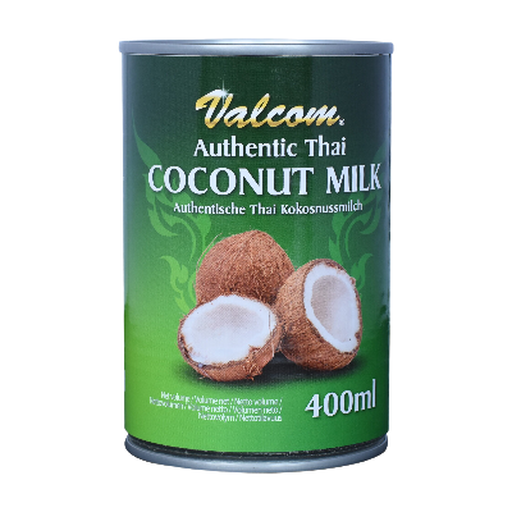
Why it's a great choice: With an especially high percentage of coconut extract, this coconut milk offers an exceptionally creamy and thick texture. It is the perfect foundation for particularly rich and smooth dishes.
Advantages:
Best for: Perfect for lovers of authentic Asian cuisine who need an especially rich coconut milk for curry or decadent desserts.
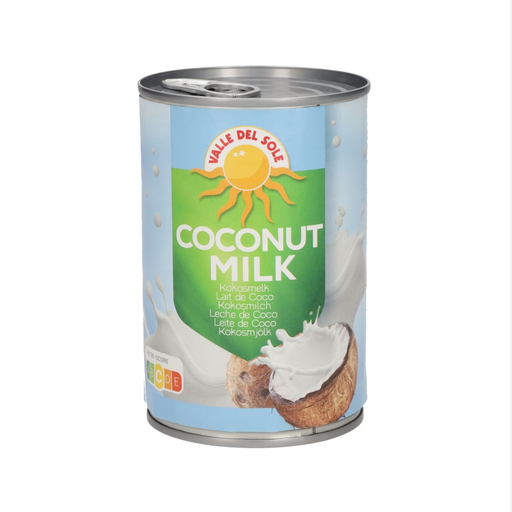
Why it's a great choice: This low-fat coconut milk is a lighter alternative that still offers a pleasant coconut flavour. With only 6% fat, it's well-suited for dishes where calorie count is a consideration or a more liquid consistency is desired.
Advantages:
Best for: A great choice for calorie-conscious users or for recipes that require a less thick consistency, such as light soups, marinades, or as a base for shakes.
The world of plant-based milk alternatives is vast. If you are looking for a different variety, a wider selection, or products specifically for beverages, you can find more items that might meet your needs in our Asian Coconut Drink category.
Coconut milk, typically available in a can, is a thick, high-fat product primarily used for cooking and baking. Coconut drinks, usually sold in cartons, are diluted with more water, have a milk-like consistency, and are often used as a beverage or in cereal and coffee.
Yes. When stored in a cool place, the solid, fatty part (coconut cream) often separates and rises to the top of the can. This process is natural. The solid cream is excellent for whipping or for adding extra richness to dishes. The watery part can be used to thin out sauces or in smoothies. For a homogeneous consistency, the can of coconut milk should be shaken well before opening.
Opened coconut milk should not be stored in the metal can. Transfer the remainder to a clean, airtight glass or plastic container. Stored in the refrigerator, it will keep for about 3 days.