
Lieferung heute & morgen

Qualitätsgarantie

Willkommens-Angebote freischalten: KOSTENLOSE Lieferung | Bis zu 80 % RABATT | Kostenlose 30-Tage-JoyPlus-Testphase
App herunterladen
When you're looking to buy coconut water, you're faced with a growing selection that can quickly become overwhelming. The packaging promises natural refreshment, but not every product delivers on its claims. Certain marketing terms and unclear labels often lead to poor purchase decisions. This guide will help you identify key quality indicators and make an informed choice that meets your needs.
The most common pitfalls are:
To ensure you get the right product for your needs, three parameters are crucial: the ingredients list, the intended use, and the package size.
The most reliable information is always on the ingredients list. If you're looking for pure coconut water, it should ideally list only "Coconut Water" or "100% Coconut Water".
Not every coconut product is suitable for every purpose. Your purchase decision should depend on how you plan to use it.
To make your choice easier, we have matched some products from our range to different user profiles.
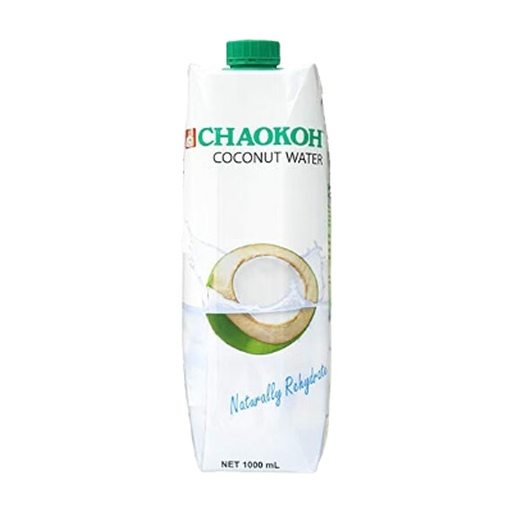
Why This Fits Their Persona: Ideal for users seeking an unadulterated product for rehydration after sports or as a natural thirst quencher. The 1-litre pack is convenient for regular consumption.
The ingredients list contains only "Coconut Water (100%)". There are no hidden sugars or concentrates, fulfilling the promise of purity.
Contains no additives and is not made from concentrate. Rich in natural electrolytes like potassium.
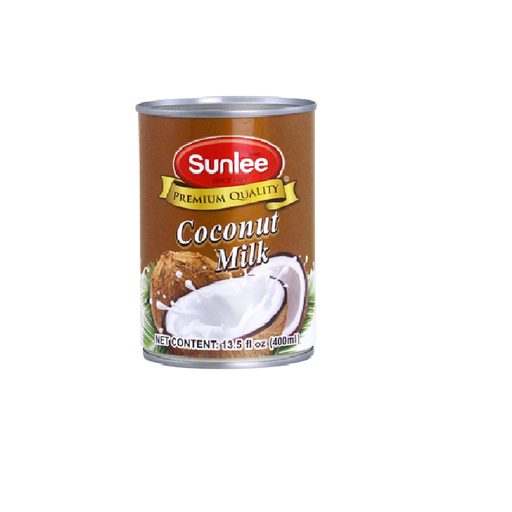
Why This Fits Their Persona: Perfect for preparing authentic Asian drinks and dishes. The high fat content provides the desired creaminess in curries, soups, and desserts.
The clear labelling as "Coconut Milk" with a fat content of 17–19% prevents confusion with watery, low-fat coconut water.
High fat content for a rich texture. The convenient 400ml can with an easy-open lid is ideal for single cooking sessions.
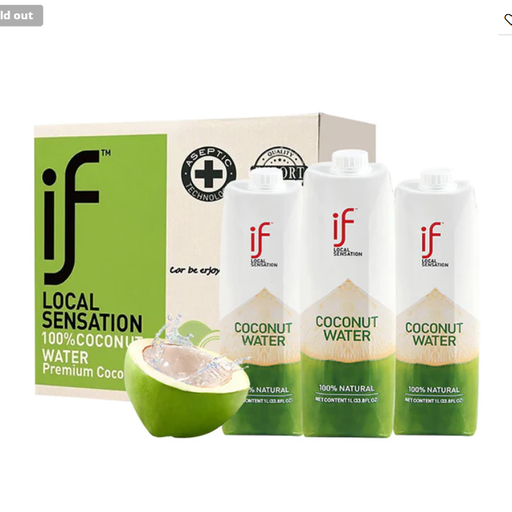
Why This Fits Their Persona: This bulk pack is ideal for families or individuals who drink coconut water daily and value good value for money without compromising on quality.
Buying in a bulk pack bypasses overpriced single units. The ingredients list is transparent (100% coconut water with less than 1% sugar), avoiding the marketing fallacy.
Bulk pack with 12 litres for a long-lasting supply. The cold-aseptic filling process helps preserve nutrients and flavour.
We have compiled a complete, up-to-date list of products that fully meet these strict selection criteria.
Coconut water is the nearly clear, fat-free liquid from inside young, green coconuts. Coconut milk is made from the pureed and pressed flesh of mature, brown coconuts and contains 15–24% fat, depending on the concentration. Coconut drink is typically a processed blend of water, a small amount of coconut milk or cream, and often other ingredients like stabilisers or sweeteners. It is intended as a dairy-free alternative for cereal or coffee.
After opening, coconut water should be stored in the refrigerator. Most manufacturers recommend consuming it within 24 to 48 hours, as it quickly loses its freshness and is susceptible to microbial growth. Always follow the instructions on the packaging.
For purely functional hydration, such as after sports, coconut water without sugar is preferable because it supplies the body with fluid and electrolytes without adding unnecessary calories. Products with added sugar or fruit puree can serve as a refreshing beverage, but they no longer fit the profile of pure, natural coconut water. The choice depends on your personal goals.