
Lieferung heute & morgen

Qualitätsgarantie

Willkommens-Angebote freischalten: KOSTENLOSE Lieferung | Bis zu 80 % RABATT | Kostenlose 30-Tage-JoyPlus-Testphase
App herunterladen
By Joybuy Product Recommendation Officer, August 28, 2026
Coconut water has established itself as a refreshing alternative to sugary sodas and juices. But the market is crowded, and not every product promising a tropical vibe delivers on its promise. Many consumers invest in drinks that don't meet their expectations for a natural, health-conscious product. Before you next buy coconut water, you should know the three most common pitfalls that can lead to an unsatisfying choice.
To avoid these pitfalls and make an informed decision, a few basic checks before you buy are essential.
Choosing the right coconut water depends on carefully examining a few crucial criteria. These will help you distinguish marketing promises from actual product quality.
The most telling information is found on the back of the package. A pure coconut water should ideally contain only one ingredient: coconut water. Any additional ingredient, especially sugar, flavourings, or preservatives, alters the product's character. Look for phrases like "100% coconut water" and check if the "not from concentrate" label is present.
A look at the nutritional information per 100 ml is insightful.
For consumers who place a high value on sustainable and ecological production, organic coconut water is a sensible choice. The EU organic logo on the packaging guarantees that the coconuts were grown without the use of synthetic pesticides and fertilisers. The origin, often Thailand or Vietnam, can also result in slight differences in taste.
Based on these objective criteria, we have identified a few products from our range that suit different needs and preferences.
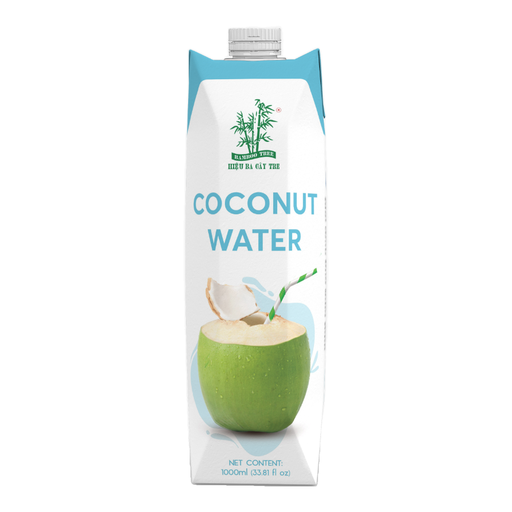
Why it's a great fit: Ideal for anyone seeking the pure, unadulterated taste of coconut water without any additives. It's excellent as a base for smoothies or as a pure, refreshing drink.
The ingredients list has just one item: Coconut Water (100%). This completely sidesteps the traps of hidden sugar and confusion with a 'coconut drink'.
Guaranteed no added sugar for an authentic, natural taste experience.
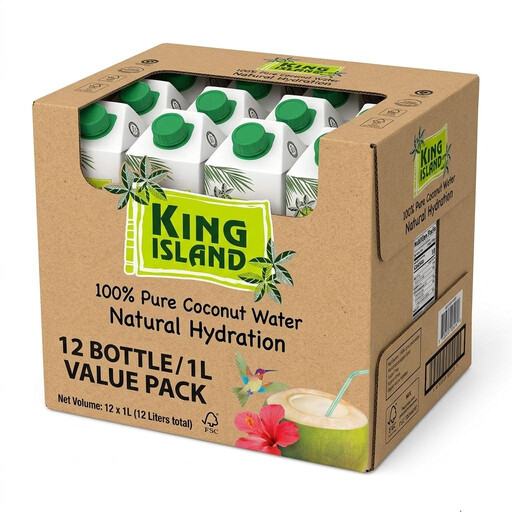
Why it's a great fit: An excellent choice for rehydrating after a workout. The focus here is on naturally restoring fluid and electrolyte balance.
As a pure 100% product with no additives, it provides hydration solely through its natural composition, thus avoiding the sugar trap.
High natural potassium content (211 mg/100ml according to the manufacturer), making it an ideal natural electrolyte drink.
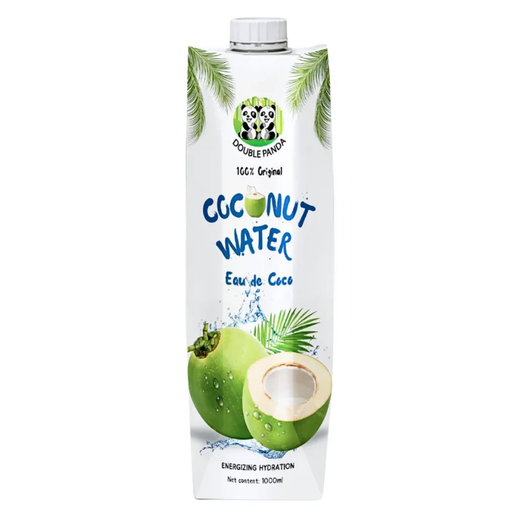
Why it's a great fit: For consumers who prefer a refreshing drink with a pleasantly sweet note and see coconut water more as an indulgent treat than a purely functional beverage.
The ingredients list transparently declares the added cane sugar. This allows you to make an informed decision and not fall into the 'hidden' sweetener trap.
A lightly sweetened profile for a smooth, accessible taste at an attractive price point.
We have compiled a complete, up-to-date list of products that fully meet these strict selection criteria and regulations.
UHT-treated coconut water in cartons should be stored in the refrigerator after opening. It is generally recommended to consume it within 2 to 3 days to ensure freshness and taste. Always follow the specific instructions from the manufacturer on the packaging.
Coconut water in a carton is ultra-high temperature (UHT) treated for preservation. This process retains most of the nutrients and provides a convenient, shelf-stable alternative. Although the taste may differ slightly from that of a freshly opened young coconut, it offers a very practical and year-round option.
Genuine organic coconut water is certified with an official organic seal on the packaging, such as the EU organic logo (a leaf made of stars on a green background). This seal ensures that the product comes from organic farming and that the coconuts were grown without the use of synthetic pesticides or fertilisers.