
Lieferung heute & morgen

Qualitätsgarantie

Willkommens-Angebote freischalten: KOSTENLOSE Lieferung | Bis zu 80 % RABATT | Kostenlose 30-Tage-JoyPlus-Testphase
App herunterladen
Anyone looking to buy coconut water will find countless products online featuring terms such as “natural”, “refreshing” or “rich in electrolytes”. However, these claims are only useful when the ingredients list, pack size and storage instructions also meet your needs. Shoppers often end up paying for a drink that contains added sugar, needs to be consumed quickly after opening, or comes in packaging that is too large or too small for its intended use.
This buying guide explains what households, offices, athletes and vegan consumers should look out for when buying coconut water.
Looking at the front of the packaging is not enough. The ingredients list on the back is what really matters. Pure coconut water should ideally be listed simply as “coconut water” or “coconut water from concentrate”. Products containing cane sugar, flavourings or other additives do not meet the requirements for coconut water with no added sugar.
It is important to remember that 100% coconut water naturally contains sugar. “No added sugar” therefore does not mean sugar-free; it means that no additional household or cane sugar has been added.
Depending on its origin and processing, coconut water contains naturally occurring minerals. However, the amounts can vary considerably. If you are specifically looking for coconut water with electrolytes, check the nutrition table. Figures for potassium, magnesium, calcium or manganese per 100 millilitres are more meaningful than a general marketing claim.
These minerals do not guarantee a particular effect. Ordinary drinking water remains an important part of your daily fluid intake.
A 1-litre pack is suitable for the fridge at home, the office or sharing. Once opened, however, it must be refrigerated and consumed within the period stated on the packaging. For taking with you, 500 ml coconut water or smaller individual portions are more practical. Coconut water in a multipack can make stocking up easier, but it takes up more storage space and should be matched to household consumption before you buy.
For natural coconut water, a short ingredients list is recommended. Look out for the following:
For example, Sagiko Coconut Water 320 ml lists sulphites as a preservative. This product should therefore not be considered completely additive-free. The ingredients list for Double Panda Coconut Water 12 × 1 l states coconut water and cane sugar – an important point for shoppers specifically looking for coconut water with no added sugar.
Always compare values per 100 ml. This makes it easier to assess 500 ml packs, cans and 1-litre containers. For example, UFC Coconut Water lists 211 mg of potassium per 100 ml, while Chaokoh lists 149 mg of potassium per 100 ml. These figures can be compared objectively, but they say nothing about any medical or therapeutic effect.
The calorie content should also fit your personal dietary plan. In the product information available, coconut water generally contains a low single- to low double-digit number of kilocalories per 100 ml. The label on the product supplied remains decisive.
Unopened UHT or sterilised products can often be stored at room temperature. Direct sunlight and excessive heat should be avoided. Once opened, follow the manufacturer’s instructions: several Bamboo-Tree products, for example, specify refrigeration and consumption within three days. Chaokoh states up to seven days after opening, while Sagiko specifies 24 hours.
Check the following before buying:
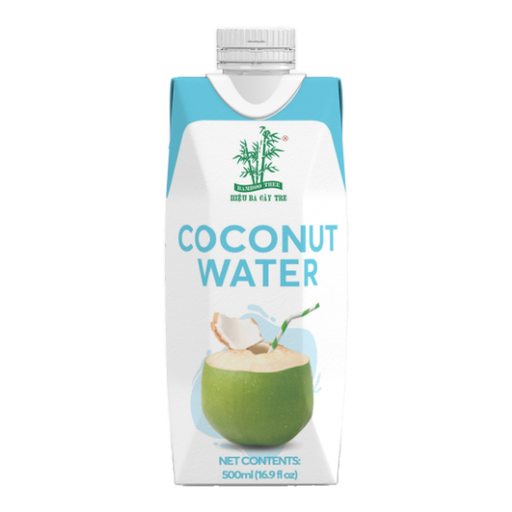
Why this product suits this profile: The 500 ml pack is a manageable size for individual drinking occasions at home, in the office or after training.
The ingredients list states coconut water (100%), with no added sugar, artificial additives or preservatives.
500 ml contents, Tetra Pak Prisma packaging and a stated unopened shelf life of 547 days.
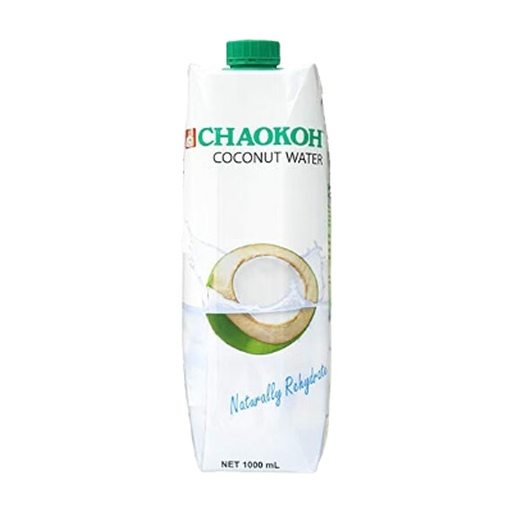
Why this product suits this profile: The 1-litre pack is aimed at shoppers who compare ingredients, mineral values and origin before buying.
The product information lists 100% coconut water with no added sugar, artificial flavourings, colourings or preservatives.
Origin: Thailand, 149 mg of potassium per 100 ml according to the product information, plus stated Halal and Kosher certification.
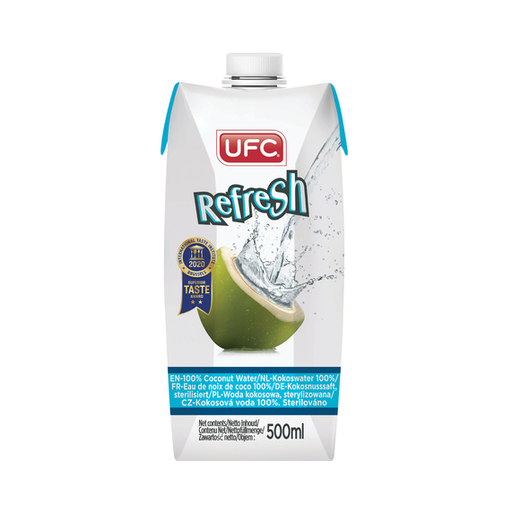
Why this product suits this profile: The handy format is ideal for a sports bag, workplace or journeys when you want a single portion without opening a larger pack.
The ingredients information states 100% coconut water with no artificial additives, colourings or preservatives.
Origin: Thailand, 500 ml contents and 211 mg of potassium per 100 ml according to the product information; can be stored at room temperature unopened.
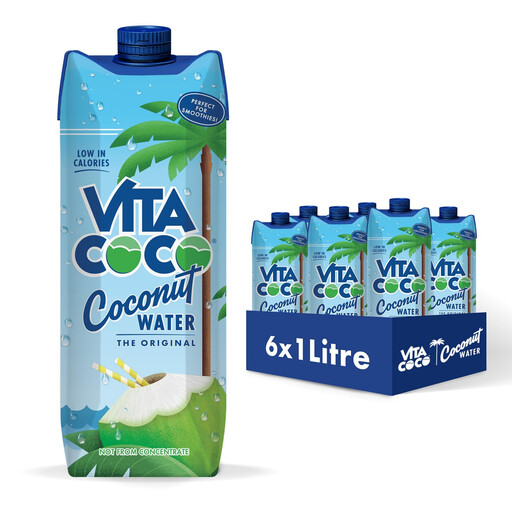
Why this product suits this profile: The six-pack of 1-litre containers is designed for offices, families and regular consumption.
The product description mentions coconut water, vitamin C and no added sugar. Check the exact ingredients list on the packaging before buying.
6 litres in total, gluten-free and lactose-free according to the product information, and suitable for storage at home or in the office.
We have put together a complete, regularly updated list of products that fully meet these strict selection criteria and the safety regulations applicable in the EU.
No. Even 100% coconut water contains natural sugar from the coconut. “No added sugar” means that no additional sugar has been included. For a direct comparison, check the carbohydrate and sugar values per 100 ml on the label.
It depends on the product. Refrigeration for two to three days is often recommended, although some products specify a longer period. The information on the relevant packaging is decisive. Reseal the pack after opening and store it at the stated fridge temperature.
500 ml coconut water is ideal for individual portions, sports bags and short working days. 1-litre coconut water is suitable for the fridge and sharing. A multipack is worthwhile mainly when coconut water is consumed regularly at home or in the office and there is enough dry storage space available.