
Lieferung heute & morgen

Qualitätsgarantie

Willkommens-Angebote freischalten: KOSTENLOSE Lieferung | Bis zu 80 % RABATT | Kostenlose 30-Tage-JoyPlus-Testphase
App herunterladen
When you want to buy coconut water, you're often faced with a shelf full of promises. But not every product that suggests naturalness delivers on its claim. Many consumers invest in drinks that disappoint due to hidden additives or poor packaging choices. This guide will help you avoid the common pitfalls and make an informed decision that meets your needs.
Before you make a choice, it's important to know the most common marketing traps that can lead to an unsatisfying purchase.
To ensure you find the right product for your needs, you should check three core parameters. These will help you objectively assess the quality.
The most telling information is found on the back of the packaging. A high-quality product should ideally contain only one ingredient: 100% coconut water.
For athletes and health-conscious individuals, coconut water is appealing for its isotonic properties and natural electrolyte content. It serves as an effective electrolyte drink for rehydration.
The origin of the coconuts (e.g., Thailand, Vietnam) can influence the taste. Additionally, certifications provide insight into production standards. An organic coconut water is identified by a corresponding seal (e.g., the EU organic logo) and guarantees cultivation without synthetic pesticides and fertilisers.
Depending on your lifestyle and intended use, different products will be a better fit for you. Here are some recommendations tailored to specific needs.
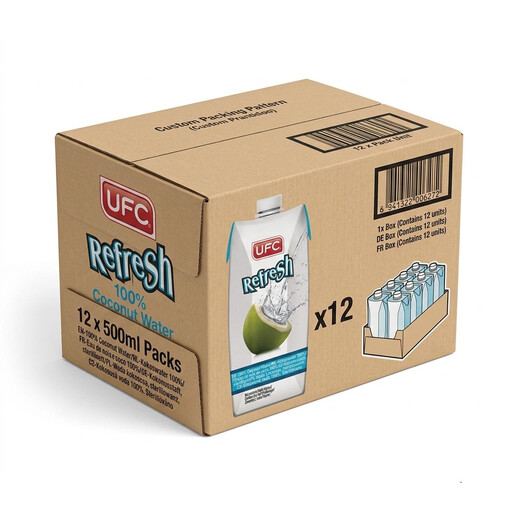
Why it's a good fit: Ideal for post-workout recovery. The 500ml pack is the right portion size for rehydration, and the high potassium content supports muscle function.
Made from 100% coconut water with no added sugar or concentrate, delivering unadulterated nutritional value for effective hydration.
High potassium content of 211 mg/100ml according to the manufacturer. The UHT sterilisation ensures a long shelf life without refrigeration before opening.
Why it's a good fit: This bulk pack of coconut water is economical and practical for regular family consumption. The 1L coconut water cartons are versatile, whether enjoyed pure or used as a base for smoothies.
Solves the problem of uneconomical single purchases. The bulk packaging secures a supply of pure coconut water and reduces the cost per litre.
Made from 100% coconut water, according to the manufacturer. The long shelf life of 15 months (unopened) makes it a reliable option for pantry stocking.
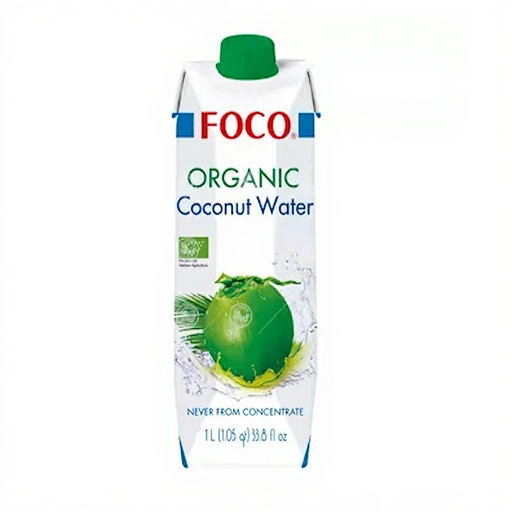
Why it's a good fit: For those who value certified standards and sustainable farming. This organic coconut water meets the requirements for a pure and ecologically produced food product.
The organic certification ensures that no synthetic substances are used, offering an extra layer of assurance beyond just the ingredients list.
Made from 100% organic coconut water, according to the manufacturer. It is free of fat and cholesterol and contains no added sugars.
We have compiled a complete, up-to-date list of products that fully meet these strict selection criteria and applicable regulations.
1. Is coconut water the same as coconut milk? No, they are two different products. Coconut water is the clear, watery liquid from inside young, green coconuts. It is low in fat and has a light consistency. Coconut milk, on the other hand, is made from the pressed flesh of mature, brown coconuts, has a significantly higher fat content, and a creamy texture.
2. How long does opened coconut water last? After opening, coconut water should be stored in the refrigerator. Most manufacturers recommend consuming the product within 24 hours to 3 days to ensure freshness and taste. Always follow the specific instructions on the packaging.
3. Why is coconut water considered a good isotonic drink? A drink is described as isotonic when its concentration of dissolved particles (like salts and sugars) is similar to that of human blood. This allows the body to quickly absorb the fluid and the nutrients it contains. Coconut water naturally contains electrolytes like potassium and magnesium, as well as natural sugar, making it an effective option for rehydration after sports.