
Lieferung heute & morgen

Qualitätsgarantie

Willkommens-Angebote freischalten: KOSTENLOSE Lieferung | Bis zu 80 % RABATT | Kostenlose 30-Tage-JoyPlus-Testphase
App herunterladen
Coconut water is a popular everyday drink in Germany, whether for the office or after exercise. The choice ranges from small cans and 330-ml packs to multipacks of coconut water in 500 ml or 1 litre sizes. At first glance, many products look similar. However, differences in ingredients, sugar content, origin, serving size and storage can have a significant impact on your purchase.
Descriptions such as “natural” or “tropical flavour” reveal little about the recipe on their own. The ingredients list is what matters. For 100% pure coconut water, it should contain only “coconut water”. Products containing coconut purée, concentrate, stabilisers or other added ingredients belong in a different category.
Coconut water naturally contains sugar. “Coconut water with no added sugar” therefore means that no table sugar or syrup has been added. The nutrition table shows how much sugar the drink contains per 100 ml. A product with added cane sugar may have different nutritional values and a different taste, despite being coconut-water-based.
A multipack of coconut water can be practical for families, offices or regular use. Once opened, however, the pack must be refrigerated and consumed within the time stated on the label. If you only drink coconut water occasionally, portions of 250 to 500 ml are often easier to manage. Before buying, it is therefore worth checking the shelf life, pack size and storage instructions.
The following details are particularly relevant when choosing natural coconut water:
The range also includes varieties from Thailand. For coconut water from Thailand, the origin of the coconuts or the manufacturer may be stated on the packaging. However, origin and recipe are separate criteria: a product from Thailand is not automatically free from additives.
Coconut water with electrolytes naturally contains minerals such as potassium, magnesium, calcium and manganese. The exact amounts vary from product to product. For example, according to the product information, Chaokoh contains 149 mg of potassium, 6.49 mg of magnesium and 11.5 mg of calcium per 100 ml. UFC lists 211 mg of potassium and 0.17 mg of manganese per 100 ml.
This information allows you to compare products, but it is not a substitute for individual nutritional advice. Coconut water after exercise can be an alcohol-free drink to help with fluid intake. If you have been sweating heavily, have specific medical considerations or require electrolytes for a particular reason, you should take the nutritional values and, where appropriate, professional advice into account.
UHT or sterilised coconut water can be stored at room temperature while unopened. Direct sunlight and excessive heat should be avoided. Once opened, follow the manufacturer’s instructions. Depending on the product, this may mean three to seven days in the fridge.
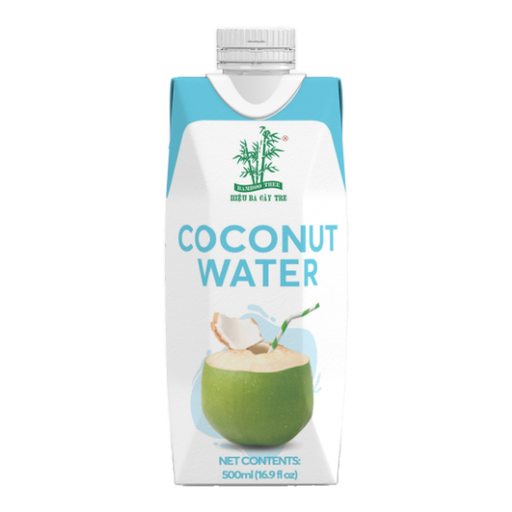
Why this product suits this profile: The 500-ml pack is easy to take with you and portion. According to the product information, it contains 100% coconut water with no added sugar, artificial additives or preservatives.
The ingredients list is short and the pack size is manageable. This means you do not have to buy a large supply before trying the taste.
100% coconut water, a 500-ml format and unopened storage at room temperature according to the product information.
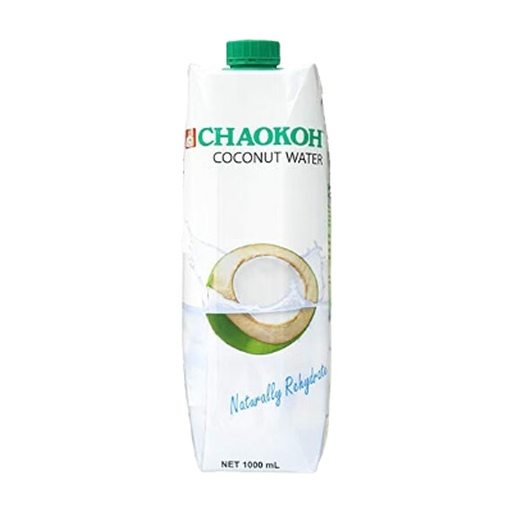
Why this product suits this profile: According to the product description, the 1-litre pack contains only coconut water from Thailand. It is suitable for households, offices and anyone who wants to compare nutritional values such as potassium, magnesium and calcium in detail.
The “100% coconut water” description distinguishes this product from recipes containing cane sugar or additional flavourings. The stated nutritional values make an objective assessment easier.
UHT-treated, suitable for unopened storage at room temperature and, according to the product information, suitable for vegetarian and vegan diets.
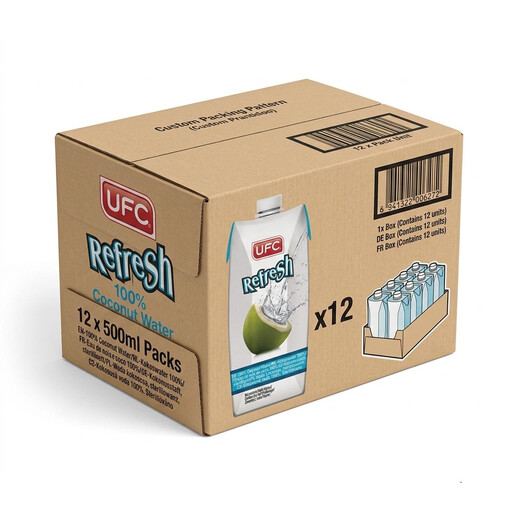
Why this product suits this profile: The box containing twelve 500-ml packs is aimed at regular users, athletes and offices. According to the product information, the coconut water comes from Thailand and contains 100% coconut water.
The individual packs reduce the risk of having to store a large quantity after opening. The ingredients information makes added sugar and other additives transparent.
Twelve portion-sized 500-ml packs, UHT-sterilised and, according to the product information, containing 211 mg of potassium per 100 ml.
We have put together a complete, regularly updated list of products that fully meet these strict selection criteria and the safety regulations applicable in the EU.
Also check for damaged or swollen packaging. Such packs should not be consumed. If you have a coconut allergy, take your individual tolerance into account, even though coconut is not one of the 14 major allergens that must be labelled in the EU.
Pure coconut water is plant-based by nature and may be suitable as vegan coconut water. The ingredients list and, where applicable, the product’s labelling are what matter. For varieties containing flavourings, stabilisers or other ingredients, check the packaging carefully.
This depends on the product. Bamboo Tree states three days in the fridge, and UFC also states three days. Chaokoh is listed as lasting for up to seven days. According to the product information, canned varieties such as Sagiko should be consumed within 24 hours. The specific manufacturer’s instructions on the packaging take precedence.
Coconut water can be enjoyed after exercise as a drink containing naturally occurring minerals. Its suitability depends on the duration of your training, fluid loss through sweating and your individual needs. For targeted nutritional support, compare the nutrition table with the requirements of your diet and make sure you drink enough water.