
Lieferung heute & morgen

Qualitätsgarantie

Willkommens-Angebote freischalten: KOSTENLOSE Lieferung | Bis zu 80 % RABATT | Kostenlose 30-Tage-JoyPlus-Testphase
App herunterladen
The coffee machine market can be overwhelming. Manufacturers make bold claims, but the day-to-day reality is often quite different. Before you buy a new coffee machine, it's crucial to understand the common pitfalls that can lead to disappointment and unexpected expenses. This guide will help you make the right choice for your needs without falling for empty marketing hype.
The most common problems when buying a coffee machine are:
Instead of being swayed by advertising slogans, you should focus on a few core technical features. These are the primary determinants of your coffee's quality and your machine's longevity.
Pressure is critical, especially when preparing espresso with a portafilter machine or a fully automatic machine. For a balanced flavour, a brewing pressure of around 9 bar directly at the coffee grounds is ideal. Many manufacturers advertise a pump pressure of 15 or even 20 bar. However, this value only describes the pump's maximum output, not the actual pressure during extraction. Excessively high pressure can compact the coffee grounds too much and lead to over-extraction, resulting in a bitter taste.
The heating system affects the heat-up time, temperature stability, and energy consumption.
A coffee machine with a grinder delivers the freshest aroma. Two aspects are important here:
To make your decision easier, we have matched different models to various user profiles.
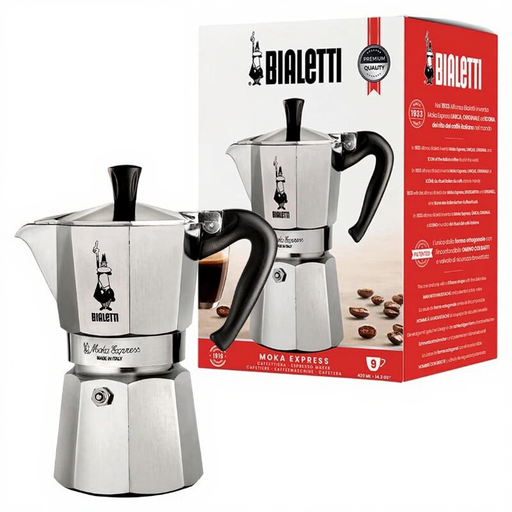
Why it's a great fit: The classic moka pot from Bialetti is the ideal choice for anyone wanting to make strong, espresso-like coffee on a small budget. It's robust, requires no electricity, and works on almost any stovetop (except induction).
This model has no hidden long-term costs and no superfluous features. The simple aluminium mechanism is built for longevity and avoids the complexity of failure-prone "all-in-one" devices.
Durability and a simple, purely mechanical design. Low purchase price and full control over the coffee type and amount.
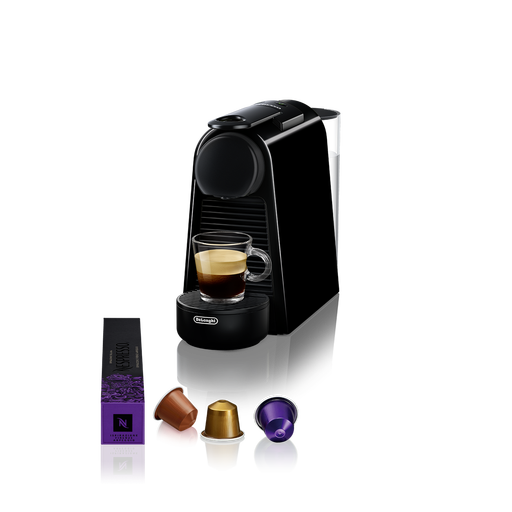
Why it's a great fit: For anyone who needs a quick start to their morning. The Nespresso Essenza Mini is extremely compact, ready to use in 25 seconds, and delivers consistent coffee quality at the touch of a button. Cleaning effort is minimal.
Although there are ongoing pod costs, this model avoids the trap of being over-engineered. It focuses on a single task—espresso and lungo—and performs it reliably. There are no complex, failure-prone extra features.
Extremely fast preparation and high consistency with minimal effort. The compact design saves valuable kitchen counter space.
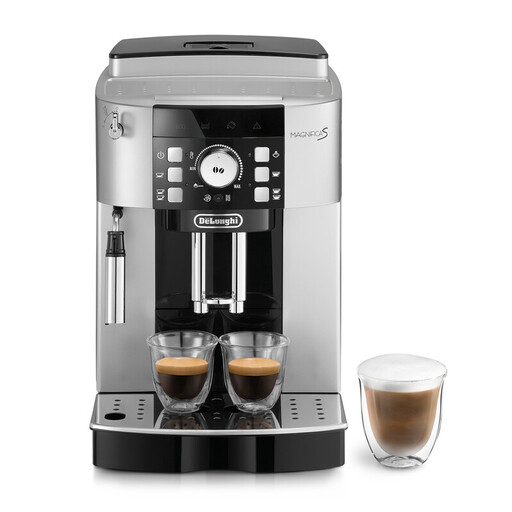
Why it's a great fit: The De'Longhi Magnifica S is a solid fully automatic coffee machine for anyone who values the convenience of freshly ground beans and one-touch milk specialities. It offers numerous settings for coffee strength and volume.
While this model is an all-rounder, it comes from a brand that specialises in fully automatic machines. It features a removable brew group for easy cleaning and focuses on core functions like a quality grinder and a coffee machine with a milk frother, rather than unnecessary app gimmicks.
Coffee from freshly ground beans with customisable settings. The integrated steam wand allows for the preparation of cappuccino and latte macchiato.
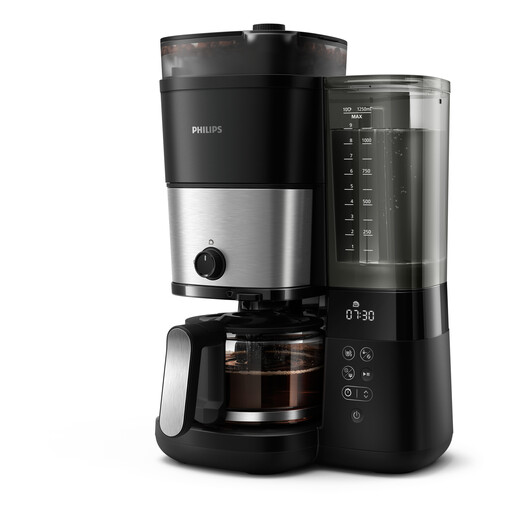
Why it's a great fit: This Philips machine combines the convenience of a classic drip coffee maker with the aroma of freshly ground beans. It's ideal for households that regularly drink larger quantities of coffee and prioritise freshness.
This appliance isn't a failed jack-of-all-trades; it's a specialist. It focuses on preparing high-quality drip coffee. The integrated grinder is a sensible, practical addition here, not a superfluous gimmick.
Combines the aroma of freshly ground beans with the capacity to brew up to 10 cups at once. The timer also allows you to schedule your coffee in advance.
We have compiled a complete, up-to-date list of products that fully meet these strict selection criteria and rigorous safety standards.
The frequency depends on the water hardness in your area and your usage. Most modern fully automatic and capsule machines have a built-in indicator that reminds you to descale. As a general rule, with average water hardness and daily use, you should descale every two to three months to extend the appliance's lifespan and preserve the coffee's taste.
The grind size has a major impact on the flavour. Here are some basic rules:
A fully automatic machine with two bean hoppers can be useful if a household has regularly conflicting coffee preferences. For example, you could fill one hopper with strong espresso beans and the other with milder beans for caffè crema or decaffeinated beans. For most users who primarily prefer one type of bean, however, a single hopper is perfectly sufficient, and the machine is often cheaper and less complex.