
Lieferung heute & morgen

Qualitätsgarantie

Willkommens-Angebote freischalten: KOSTENLOSE Lieferung | Bis zu 80 % RABATT | Kostenlose 30-Tage-JoyPlus-Testphase
App herunterladen
If you want to buy a coffee machine, you’ll find a huge range of options: capsule machines, espresso machines, bean-to-cup machines, filter coffee machines and models with milk systems. The right choice depends on more than just the price or a high bar rating. Your preferred drinks, capsule compatibility, cleaning requirements, capacity and available space are all important factors.
Specifications such as 19 bar or a 20-bar pump stand out in many product descriptions. However, this figure mainly indicates the pump’s maximum output. The quality of the coffee in your cup also depends on the quality of the capsules or ground coffee, the water temperature, the flow rate and the design of the brewing unit. A high bar rating alone is therefore not enough to base your choice on.
When choosing a multi-capsule coffee machine, buyers should check exactly which systems are supported. Capsules for Nespresso Original, Dolce Gusto and K-Cup formats, as well as ESE pods, differ in shape and size. Some machines require interchangeable adapters. If you regularly use different varieties, you should also look for clear labelling and a secure locking mechanism.
A coffee machine with a milk system or a latte macchiato machine requires more care than a model designed for black coffee. Milk containers, tubes and frothers should be cleaned after use according to the operating instructions. With a bean-to-cup machine, you’ll also need to clean the brewing unit, empty the coffee grounds container and descale the machine regularly.
First, consider which drinks you will genuinely prepare in your day-to-day routine:
For hot and cold drinks, check whether both preparation methods are explicitly listed in the technical specifications. Depending on the machine, “cold brew” and chilled coffee may be prepared in different ways.
A small water tank saves space, but needs to be refilled more often. For one person or a desk, 600 ml may be sufficient. In households with several coffee drinkers or in small offices, a tank holding around 1 to 1.8 litres is more practical.
The stated jug capacity is also important for filter machines. The Severin KA 9343 is described as having a 1.25-litre water tank and a thermal jug. The KA 4845 is designed to make up to eight cups. The actual usable volume depends on the cup size.
Measure the footprint, including the space needed for the water tank, capsule holder and open lid. Slim machines may be suitable for small kitchens or offices, while bean-to-cup machines generally require considerably more depth and height.
For Germany, you should also ensure that you have a suitable 230-volt connection or the required operating voltage specified for the machine. Safety features such as automatic shut-off, a removable water tank and an accessible capsule container make everyday use easier. With milk systems, check whether individual components can be removed or are dishwasher-safe.
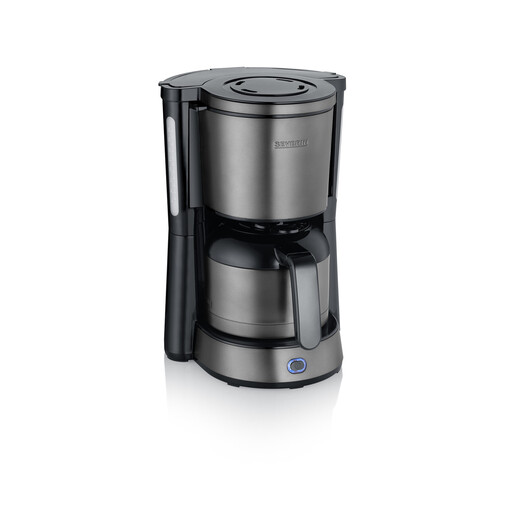
Why this product suits this profile: This filter coffee machine uses ground coffee and offers a straightforward way to prepare coffee for everyday use.
The thermal jug keeps the coffee warm without an additional hotplate. Automatic shut-off and a drip-stop function are explicitly specified.
1.25-litre water tank, 1,000 watts, thermal jug and capacity for up to eight cups according to the product specifications.
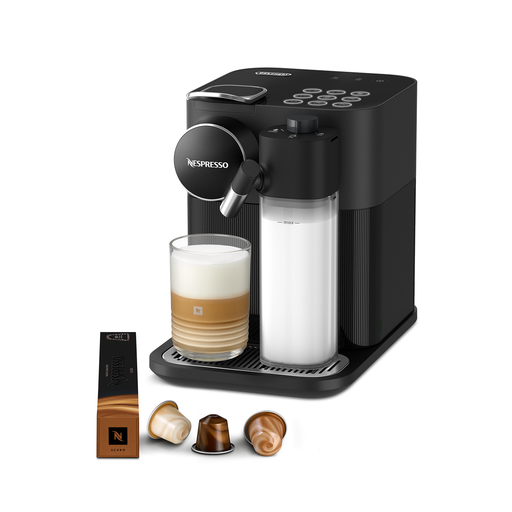
Why this product suits this profile: If you prefer capsules and want to prepare milk-based drinks at the touch of a button, this machine offers a clearly defined original capsule system with an integrated milk container.
The permitted capsule variant is clearly specified: Nespresso Original. This allows you to check the ongoing capsule choice carefully before buying.
One-touch milk system, 1.3-litre water tank, 0.5-litre milk jug and automatic shut-off after nine minutes according to the product data.
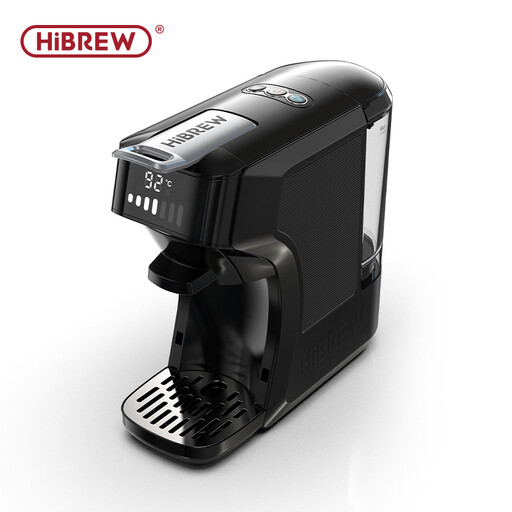
Why this product suits this profile: This compact machine is designed for users who want to combine different pod formats, ESE pods and ground coffee in one appliance.
The supported formats are clearly listed. With a 600 ml tank and dimensions of 300 × 143 × 280 mm, you can easily assess the space required and how often it will need refilling.
6-in-1 compatibility, hot and cold modes, plus a specified 20-bar pump for portioned drinks.
We have put together a complete, regularly updated list of products that fully meet these strict selection criteria and the safety regulations applicable in the EU.
With capsule machines, ongoing costs mainly come from the capsules. Before buying, check the prices, availability and recycling options for your preferred system. Ground coffee offers more flexibility when it comes to portion sizes in filter and many espresso machines, but you will need suitable filters, a portafilter or regular refills.
Descale the machine according to the water hardness and frequency of use, following the instructions. A filter coffee machine with a thermal jug generally requires less component maintenance than a bean-to-cup machine. With a milk system, cleaning should be carried out after every milk-based drink. This does not automatically prevent every technical problem, but it reduces residue and helps maintain hygienic operation.
For one person or a small household, a compact capsule machine, a multi-capsule coffee machine or a small filter coffee machine may be suitable. The key factors are tank size, drink selection and whether you are happy to use capsules or ground coffee.
There is no single lifespan that applies to every model. It depends on how often the machine is used, the hardness of the water, cleaning, descaling and the availability of spare parts. Follow the manufacturer’s maintenance instructions, and do not continue using a machine with a damaged cable or unusual operating behaviour.
This depends on how much coffee you drink and the beans or capsules you use. Capsule machines make individual portions easy to budget for. A bean-to-cup machine costs more to buy and requires cleaning products, but regular coffee made from beans may offer a different cost structure. Compare the cost per drink over your expected period of use.