
Lieferung heute & morgen

Qualitätsgarantie

Willkommens-Angebote freischalten: KOSTENLOSE Lieferung | Bis zu 80 % RABATT | Kostenlose 30-Tage-JoyPlus-Testphase
App herunterladen
Anyone looking to buy conditioner will find a wide range of options for dry, coloured, fine or damaged hair. However, the differences are not limited to fragrance, pack size or brand name. The formulation, how it is used and whether the product suits your individual hair profile are what really matter. This guide will help you assess marketing claims objectively and find the right hair conditioner for your needs.
A universally marketed conditioner may be too light for dry hair and too rich for fine hair. Oils, silicones and heavy conditioning agents can improve manageability, but frequent use may also weigh the hair down. For fine hair, lightweight formulations and careful dosing are often more suitable than particularly rich conditioners.
Terms such as keratin, collagen, amino acids or ceramides point to particular ingredients, but they do not replace a careful check of the complete ingredients list. An amino acid conditioner, for example, may contain amino acids, while the actual conditioning effect depends on the full formulation and how the product is used. Claims such as “repairing” should therefore be understood as cosmetic product positioning, rather than as medical treatment or permanent restoration of the hair.
A 1000 ml conditioner can be worthwhile for frequent users or a hair salon. However, if you only need a small amount or want to try a product first, a large container ties up more money and storage space. You should also consider how much is used per application. Fine or short hair often needs less product than long, thick hair.
If you prefer a silicone-free conditioner, check the ingredients list for terms such as Dimethicone, Amodimethicone or other silicone compounds. Silicones are not inherently problematic; they can make hair appear smoother and easier to comb. If you have a sensitive scalp, it is also worth checking for fragrances and declarable allergens.
A product labelled “without additives” should likewise be assessed against the specific manufacturer’s information. According to the product description, Kumano Pharmaact Conditioner is offered without fragrances, colourants or preservatives. If you have known intolerances, the information on the packaging remains decisive.
Conditioner is generally applied to wet or towel-dried hair after shampooing. It should mainly be distributed through the lengths and ends. Leaving it on for one to five minutes is usual for the products mentioned here; the exact time is stated on the label.
For home use, 200 to 600 ml may be sufficient. A professional conditioner in a 1000 ml size is more suitable for households with several users, long or thick hair, and salons. For products from abroad, you should also check the German labelling, responsible contact details and relevant instructions for use on the packaging.
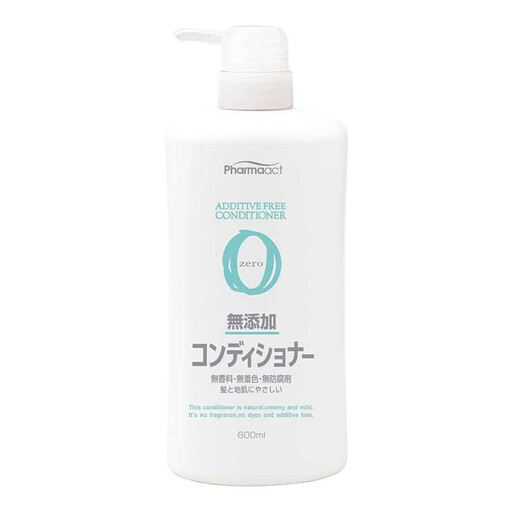
Why this product suits this profile: The 600 ml size offers a manageable introduction to regular hair care. According to the product information, the formulation contains amino acids, ceramides, glycerine, olive oil and jojoba oil.
The information on fragrances, colourants and preservatives is clearly stated, so the choice is not based solely on marketing terms.
600 ml content; amino acids and ceramides according to the product description; short leave-in time.
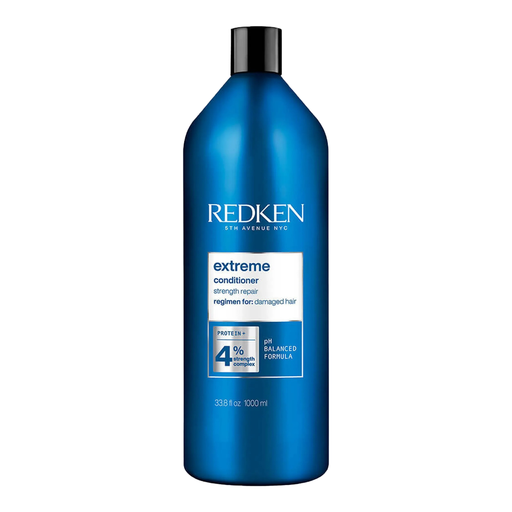
Why this product suits this profile: This conditioner is designed for damaged and stressed hair. According to the product information, the formulation contains soy protein, arginine and Sepicap.
The 1000 ml bottle is designed for regular use and makes the pack size clear. The complete ingredients list includes, among other things, fragrance and Benzyl Benzoate.
1000 ml content; care for damaged hair; use after shampooing, followed by thorough rinsing.
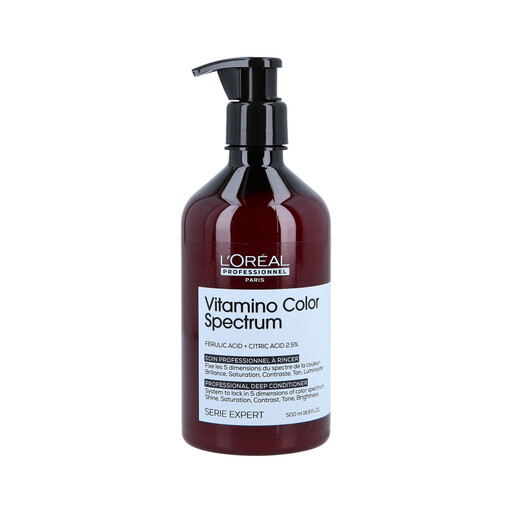
Why this product suits this profile: According to the product description, the Vitamino Color Spectrum Conditioner is intended for coloured hair and combines conditioning, smoothing and colour protection in a 500 ml size.
The target group, “coloured hair”, is clearly stated. Fragrance allergens such as Limonene, Geraniol, Hexyl Cinnamal and Citronellol are listed in the product information.
500 ml content; designed for coloured hair; leave-in time of 1–2 minutes according to the description.
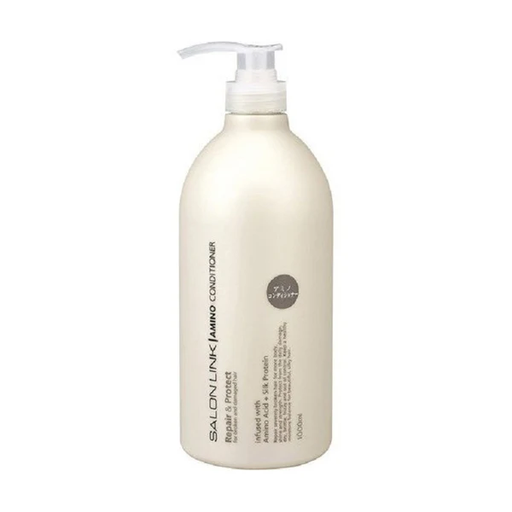
Why this product suits this profile: The 1000 ml container is suitable for frequent use at home or in a salon. According to the product description, it contains amino acids, shea butter, keratin and panthenol.
The description lists specific ingredients and a leave-in time of 3–5 minutes. This makes it easier to assess whether the treatment fits into your routine.
1000 ml content; amino acid and protein ingredients according to the product information; focus on manageability and smoothing.
We have put together a complete, regularly updated list of products that fully meet these strict selection criteria and the safety regulations applicable in the EU.
How often you should use conditioner depends on your hair structure, shampoo and conditioning needs. A very rich conditioner does not have to be used every time you wash your hair. When trying a new product, start by testing a small amount.
Richer formulations containing glycerine, ceramides, amino acids, proteins or plant oils may be suitable. There is no one-size-fits-all recommendation, as hair thickness, porosity and styling habits all play a role. For severely damaged lengths, the conditioner should primarily improve manageability and help the hair surface feel smoother.
The best-before date and the open-jar symbol on the packaging are the key points of reference. The symbol indicates the recommended period of use after opening, for example 12 months. If the smell, colour or consistency changes noticeably, the product should no longer be used. Store the bottle in a dry, closed place away from direct sunlight.
No. “Silicone-free” simply describes a particular formulation choice. Silicone-free products may appeal to people who want to avoid certain ingredients. Conditioners containing silicones, on the other hand, can help with manageability and create a smoother hair feel. Your hair type, desired result and personal tolerance are what really matter.