
Lieferung heute & morgen

Qualitätsgarantie

Willkommens-Angebote freischalten: KOSTENLOSE Lieferung | Bis zu 80 % RABATT | Kostenlose 30-Tage-JoyPlus-Testphase
App herunterladen
If you’re looking to buy condoms, you’ll find plenty of options online: extra-thin condoms, XXL condoms, latex-free condoms, lubricated models, and ribbed, dotted or flavoured varieties. Having so much choice doesn’t necessarily make it easier to find the right one. Unclear sizing, unsuitable lubricants or misjudging the material can often lead to the wrong purchase.
So the most important things to consider aren’t just the brand or packaging design. The key factors are nominal width, material, lubrication and intended use.
When it comes to fit, nominal width is usually more useful than a general label such as ‘regular’ or ‘XXL’. A condom that’s too tight can feel uncomfortable and be difficult to roll on. If it’s too loose, it may slip off more easily.
As a guide:
These measurements are product specifications, not a guarantee of an individual fit. If you’re unsure, it may be worth starting with smaller packs in different widths.
Extra-thin condoms can offer a different sensation, but they still need to fit correctly and be used as directed. Thinner material won’t make up for the wrong size. Also check whether the product is made from natural rubber latex or a latex-free material such as nitrile.
Latex-free condoms may be a good option for people who want to avoid natural rubber latex. However, always read the full list of ingredients, as other components may also cause a reaction. Stop using the product if you experience any discomfort and seek medical advice if necessary.
Many condoms already have a silicone-based or other lubricant coating. If you’re using extra lubricant, check that it’s compatible with the material:
Natural rubber latex is common in many products, but it can cause allergic reactions. If you want to avoid latex, you can choose latex-free condoms instead. Check the material information, warnings and specific instructions for use.
Terms such as vegan condoms refer to the ingredients and manufacturing process specified by the manufacturer. Ritex Ideal XXL and Ritex Ideal extra moist are described as vegan options; both products are still made from natural rubber latex.
Fit also depends on the shape and elasticity, as well as the nominal width. A cylindrical model may fit differently from an anatomically shaped condom. A reservoir tip helps with correct use, but you still need to pinch the tip before rolling the condom on.
Smooth condoms are a straightforward standard option. Ribbed condoms and dotted condoms have textured surfaces, though how they feel is a matter of personal preference. Follow the instructions for use with flavoured condoms. Don’t use a product intended for vaginal use for other purposes without first checking the manufacturer’s information.
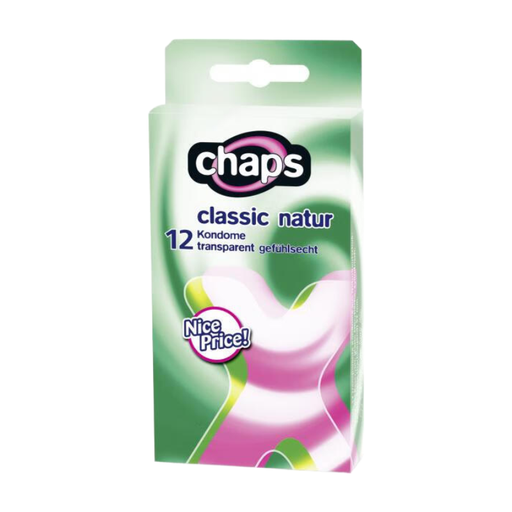
Why this product suits this profile: This pack contains 12 classic condoms with a nominal width of 52 mm, a smooth surface and a reservoir tip.
The width is clearly stated, making it easier to compare with what’s worked for you before than relying on marketing terms alone.
Natural rubber latex, silicone lubricant and 12 condoms per pack.
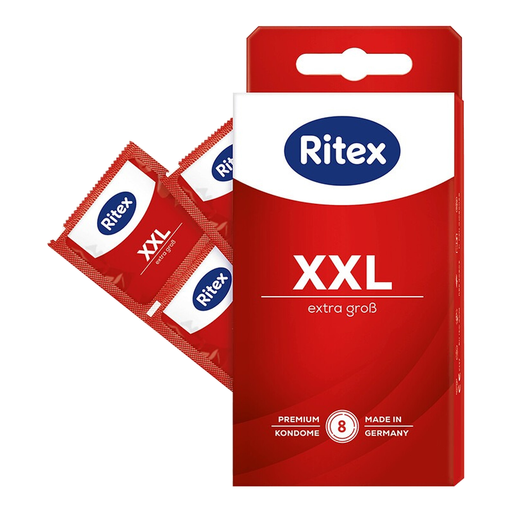
Why this product suits this profile: With a width of 55 mm and a length of 200 mm, this model is designed for people who find standard sizes too tight.
The exact measurements put the XXL label into context, so you can make your choice based on more than just the product name.
Extra-thin design, natural rubber latex and stated electronic testing of each condom.
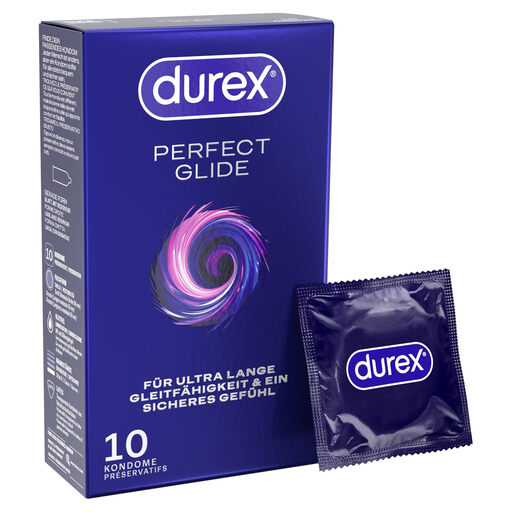
Why this product suits this profile: The 56 mm version has an extra silicone gel coating and, according to the product information, is designed especially for anal sex.
The amount of lubricant and intended use are clearly stated. You may still need to use extra compatible lubricant.
Extra silicone gel, smooth surface and 10 condoms per pack.
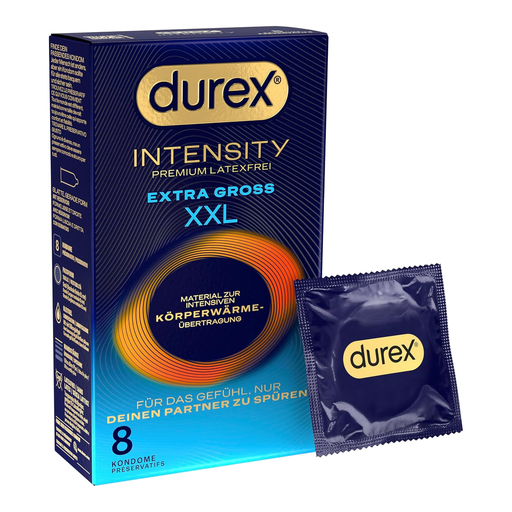
Why this product suits this profile: The latex-free nitrile version has a nominal width of 61 mm and is designed for people looking for a wider fit and an alternative to latex.
The material and width are clearly stated. Follow the manufacturer’s specific guidance on lubricant when using this product.
Latex-free nitrile, 61 mm width and generous silicone lubrication according to the product description.
We’ve put together a complete, regularly updated list of products that meet these strict selection criteria and the safety requirements in force in the EU.
Before use, check the packaging, expiry date and wrapper. Don’t use a condom if its individual wrapper is damaged. Put the condom on the erect penis before any genital contact. Pinch the air out of the reservoir tip and roll the condom all the way down to the base.
Key rules:
Condoms reduce the risk of pregnancy and transmission of certain sexually transmitted infections, but they don’t offer complete protection. Seek medical advice if you have a latex allergy, ongoing irritation or questions about how to use a condom.
Use the nominal width shown on the packaging as a guide. When comparing 52, 53, 55, 56 or 61 mm, consider more than just length: your previous experience of fit is particularly useful. A condom should fit securely without digging in or slipping off easily.
The specific expiry date is printed on the packaging. Don’t use condoms after this date or if their wrappers are damaged. Heat, direct sunlight and storing them in a wallet for a long time can also put extra strain on the material.
Bulk packs of condoms can lower the cost per condom and are convenient if you use them regularly. Before buying, check the fit, material and expiry date. A smaller pack is a good choice if you want to try a new width, a different material or a variety such as flavoured, dotted or extra-thin condoms.