
Lieferung heute & morgen

Qualitätsgarantie

Willkommens-Angebote freischalten: KOSTENLOSE Lieferung | Bis zu 80 % RABATT | Kostenlose 30-Tage-JoyPlus-Testphase
App herunterladen
Purchasing a child car seat is one of the most important decisions a parent can make. A car seat that grows with your child promises a long-term, cost-effective solution from birth until a car seat is no longer legally required. However, the market is overwhelming and full of marketing promises. Many models cover a huge age range, such as 0 to 12 years, but not every "all-in-one" solution is equally suitable for every family and every child.
As your Joybuy Product Recommendation Officer, I'll help you identify the crucial features and avoid common purchasing pitfalls. This ensures your choice is not only practical but, above all, safe.
Before we look at the important technical details, let's highlight the typical traps that often lead to a poor purchasing decision.
To make an informed choice, focus on these three objective criteria. They form the foundation for safety and durability.
The i-Size car seat standard is not a marketing gimmick but a significant safety advancement. Unlike the old, weight-based ECE R44 standard, i-Size classifies seats based on the child's height (e.g., car seat 40-150 cm). The key advantages are:
ISOFIX is an internationally standardised attachment system that firmly connects the child car seat to the vehicle's chassis. This provides a much more stable and secure anchor than using the vehicle's seat belt alone. Look for two variations:
Before buying, always check the car seat manufacturer's vehicle compatibility list to ensure the desired model is approved for your car.
A safe seat must also be practical for daily use. Features like a 360-degree rotation function make placing and buckling your child in much easier and are kinder to parents' backs. A multi-position car seat with a recline function is essential for your child to sleep comfortably on longer journeys. A height-adjustable headrest that adapts as your child grows ensures that the belt path and head protection are always optimally positioned.
Every family has different needs. Here are three recommendations tailored to different profiles that avoid the pitfalls mentioned.
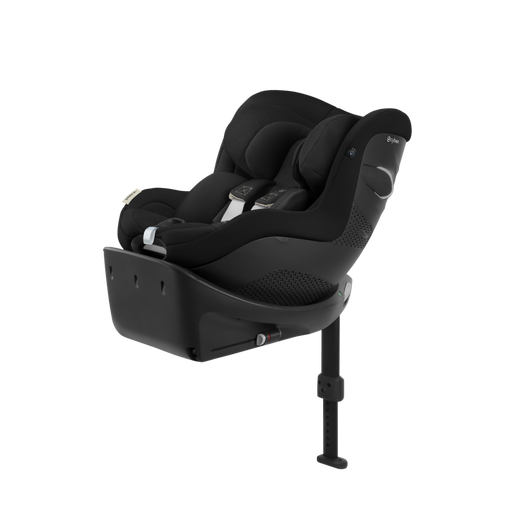
Why This Fits Their Persona: Ideal for parents seeking maximum safety and premium comfort right from birth. This seat is designed as a specialised rear-facing solution for the first four years of life.
It bypasses the "one-size-fits-all" compromise by specialising in the 0-4 age group, offering optimised ergonomics for newborns. The 360° rotation directly addresses everyday convenience.
Meets the strict i-Size standard, offers a 360° rotation function for easy entry and exit, and features all-around air circulation for enhanced comfort.
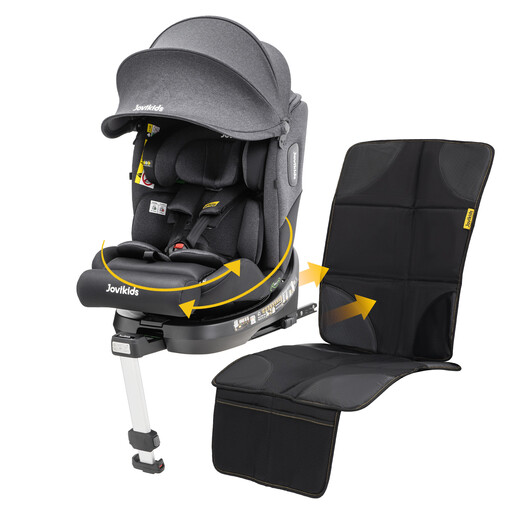
Why This Fits Their Persona: Perfect for budget-conscious planners looking for a single seat to last the entire childhood (0-12 years) without compromising on modern safety standards.
This seat combines a long lifespan with the current i-Size standard and a newborn inlay, minimising the fit compromise for the smallest infants.
Extremely long usability from 40 to 150 cm, i-Size certification, and a 360° rotation feature for superior convenience.
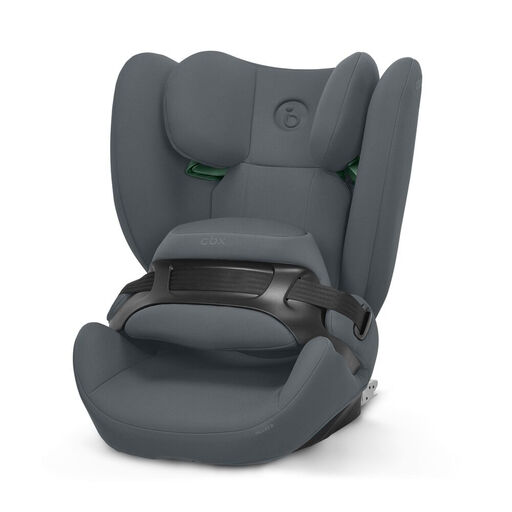
Why This Fits Their Persona: For parents seeking a durable and safe follow-on seat after the infant carrier. It accompanies the child from the toddler years (approx. 15 months) until they no longer need a car seat.
This 2-in-1 seat doesn't try to cater to newborns. It's specifically optimised for the growth phase from 76 cm onwards and features an impact shield as an alternative, easy-to-use restraint system.
Long lifespan of over 10 years, i-Size certification, and an impact shield that, according to the manufacturer Cybex, can reduce the risk of neck injuries.
We have compiled a complete, up-to-date list of products that fully meet these strict selection criteria and European safety regulations.
According to the current i-Size standard (UN R129), rear-facing travel is legally required until at least 15 months of age and a height of 76 cm. However, safety organisations like the ADAC recommend keeping children in a rear-facing car seat for as long as possible, ideally up to the age of four, as this provides significantly better protection for the head and neck in an accident.
Not necessarily. Although i-Size aims for a universal fit in vehicles with i-Size-marked seating positions, it is always advisable to check the vehicle compatibility list on the car seat manufacturer's website. Older vehicles may have ISOFIX anchors but not officially designated i-Size seats. Checking ensures that the seat can be installed correctly and safely.
A high-back booster seat is always the safer choice compared to a backless booster seat. The backrest with a headrest provides crucial protection in a side-impact collision. A backless booster should only be used as a temporary solution or for very tall children just before they reach the 150 cm limit, if they no longer fit in a seat with a backrest. The backrest also ensures that the shoulder belt runs correctly over the child's shoulder and does not cut into their neck.