
Lieferung heute & morgen

Qualitätsgarantie

Willkommens-Angebote freischalten: KOSTENLOSE Lieferung | Bis zu 80 % RABATT | Kostenlose 30-Tage-JoyPlus-Testphase
App herunterladen
If you want to buy crackers online, you’ll quickly find a huge selection: crispbread, wholegrain crackers, gluten-free crackers, rice crackers, organic crackers and sweet biscuits all sitting side by side. However, the product names alone don’t always show whether a snack suits your needs. What really matters are the ingredients list, nutritional information, allergens, pack size and how you plan to use them.
Labels such as “Low Sugar” or “reduced sugar” should always be checked against the nutrition table. A product may contain less sugar than a comparable version, but still have sweeteners or a significant carbohydrate content. For example, the Orion Haitai Good Day Low Sugar Seaweed Flavor Fish-Shaped Crackers list 15.5 g of sugar per 100 g. The product also contains aspartame and other sweeteners.
If you’re looking to cut down on sugar, don’t just look at the front of the packet – check:
For anyone with gluten intolerance or coeliac disease, the “gluten-free” label is especially important. Even so, you should always check the current packaging and allergen warnings, because recipes or trace-level statements can change. Products containing wheat, rye, barley or spelt are generally not suitable for a gluten-free diet.
Also, “wheat-free” and “gluten-free” are not the same thing. Rice, maize, teff and buckwheat can all appear as ingredients in gluten-free products, but the specific labelling is what counts.
A 33 g pack is handy for on the go, but it often contains less product relative to its packaging. Larger packs, such as 472.5 g, are better suited to families, offices or regular snacking. Once opened, crackers quickly lose their crunch if exposed to moisture. A resealable bag or an airtight container can make all the difference.
The ingredients list tells you whether a cracker fits your personal requirements. Common allergens in this category include gluten, milk, soya, egg and sesame. With Asian snacks, you’ll also find seasoning blends, soy sauce, flavour enhancers or seaweed ingredients.
Take the Bin Bin Rice Cracker Seaweed Flavour as an example. According to the product details, it contains rice, soy sauce powder (with soya and wheat) and 0.8 % seaweed. If you need to avoid wheat or soya, don’t choose this item based on the name “rice cracker” alone.
Comparing per 100 g stops different pack sizes from skewing your judgement. Pay particular attention to:
For fibre-rich snacks, products with a stated fibre content can be worth a look. The Wasa Delicate Crisp Oats & Sesame Crispbread, for instance, contains 26 g of fibre per 100 g. However, it also contains gluten, oats, wheat, rye and sesame. A high fibre content doesn’t replace the need to check allergens.
Savoury crackers go well with dips, soups and hearty spreads. Sweet biscuits are better suited to coffee, tea or as part of a dessert. Rice crackers often come in spiced, Asian-inspired flavours, while crispbread and wholegrain crackers can be used as a base for toppings.
For school, work or days out, individually portioned products are very practical. For stocking up at home, larger packs can reduce the need to reorder, as long as you store them in a dry place and seal them well after opening.
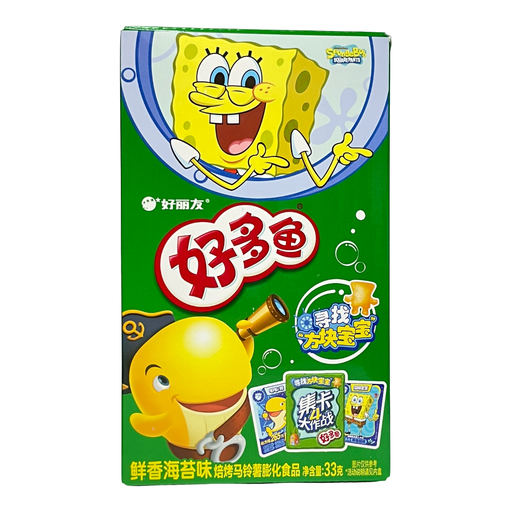
Why this product fits the profile: The 33 g pack is easy to slip into a bag or snack box and is ideal for single portions. The fish shape and seaweed flavour set it apart from classic salted crackers.
The small pack size keeps the portion manageable. However, before buying, you should consider the aspartame, milk and soya content, as well as 15.5 g of sugar per 100 g.
Compact format, crunchy texture and seaweed flavour; ready to eat with no preparation needed.
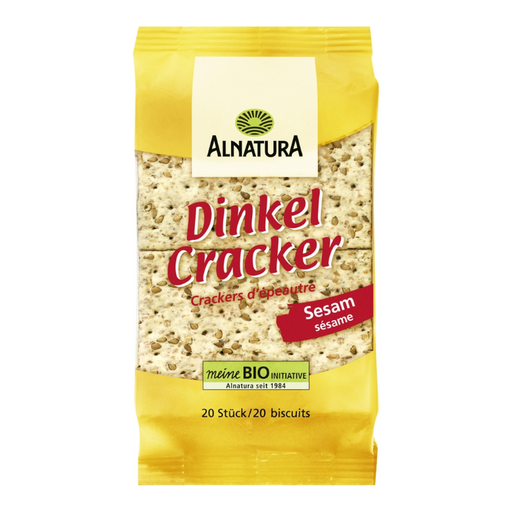
Why this product fits the profile: The product details state 82 % wholegrain buckwheat, sesame and organic ingredients. With 9.2 g of fibre per 100 g, this cracker works well as a crunchy addition to salad, dip or spread.
The ingredients, allergens and nutritional values are clearly listed. Gluten-containing grains and sesame are explicitly stated.
0.9 g sugar and 9.2 g fibre per 100 g according to the product details; organic ingredients and a versatile format that pairs well with many foods.

Why this product fits the profile: According to the product description, this crispbread is gluten-free, wheat-free and free from lactose, egg, palm oil and yeast. Rice and maize flour form the base, making it suitable for both sweet and savoury toppings.
The stated grain alternatives make pre-selection easier. For coeliac disease and allergies, you should still always check the current packaging and any trace-level warnings.
Ready to eat, versatile for toppings and with 1.7 g of fat per 100 g according to the product description.
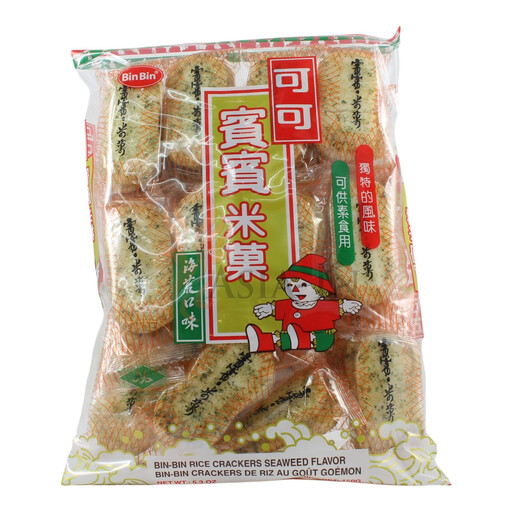
Why this product fits the profile: This rice cracker combines a crunchy texture with seaweed and savoury flavour notes. The 150 g pack is great for sharing or for adding variety to a snack box.
The ingredients clearly list rice, soy sauce, wheat and seaweed. With 0.6 g of salt per 100 g according to the label, the flavour still comes through from the seasoning.
Rice as the main ingredient, 150 g pack and distinctive seaweed flavour for an international snack selection.
We’ve put together a full, regularly updated list of products that fully meet these strict selection criteria and the safety regulations in force in the EU.
Small single packs, such as 33 g, fit easily into a rucksack, handbag or snack box. For longer trips, products between 100 and 200 g are more practical, as long as you keep them dry and airtight after opening. Individually wrapped portions also help with portioning for work, school or leisure time.
The best-before date applies to the unopened packaging. Once opened, how long they last depends mainly on moisture and storage. Keep crackers in a cool, dry place away from direct sunlight. An airtight container or a well-sealed bag can help preserve their texture for longer.
No. Gluten-free primarily describes the composition in relation to gluten, not the sugar or energy content. So before you buy, you should also compare nutritional values, sweeteners, fat, salt and serving size. That way, you can more precisely choose a product that suits your personal diet and everyday needs.