
Lieferung heute & morgen

Qualitätsgarantie

Willkommens-Angebote freischalten: KOSTENLOSE Lieferung | Bis zu 80 % RABATT | Kostenlose 30-Tage-JoyPlus-Testphase
App herunterladen
If you're looking to buy creatine monohydrate, you'll find a wide range of powders, capsules, tablets and gummies. However, the differences aren't just about taste and packaging. What really matters is the actual creatine content per serving, the ingredients list, the number of servings and how practical it is for everyday use.
Especially with products designed for strength training, bodybuilding or short, repeated bursts of high-intensity exercise, unnecessary extra costs often creep in. A straightforward check of the product data helps you separate marketing claims from the information that actually counts.
"5,000 mg per serving" sounds clear enough at first. But with gummies or blended products, a serving might consist of several pieces. With powder, a serving could weigh 4.5 g or 5 g, yet only 3 g of that might actually be listed as creatine.
So don't just compare the gram amount on the front of the pack – look at these details instead:
Micronised creatine is ground more finely, which can help it mix more smoothly into liquid. However, the term alone tells you nothing about purity, the amount contained or the other ingredients.
A micronised creatine with just one ingredient should be judged very differently from a flavoured product containing sweeteners, acidity regulators and colourings. Both types can be useful in daily life, but they cater to different preferences.
Some products combine creatine monohydrate with caffeine, vitamins, electrolytes or magnesium. This can be convenient for a specific purpose, but it makes price comparisons with pure creatine powder more difficult.
If you already use coffee, pre-workout products or other supplements, check the ingredients list for any overlap. With caffeine, you also need to consider the time of day and your personal tolerance.
For adults, many products recommend a daily serving of around 3 g of creatine. The authorised health claim in the EU states that creatine can enhance physical performance during successive short bursts of high-intensity exercise; this claim is linked to a daily intake of 3 g of creatine.
This is not a statement about any medical or therapeutic effect. The recommended consumption amount on each product remains the key guide. A loading phase is not included with every product and should not be inferred from marketing claims on your own.
A short ingredients list makes assessment much easier. Products with 100% creatine monohydrate contain no flavourings, sweeteners or additional active ingredients. Capsules and tablets, on the other hand, usually include processing aids for shaping and manufacturing.
Also compare the price per serving rather than just the pack price. A larger tub isn't automatically better value if the daily serving is significantly higher. Serving number claims can vary depending on the definition used, so always check the current product labelling.
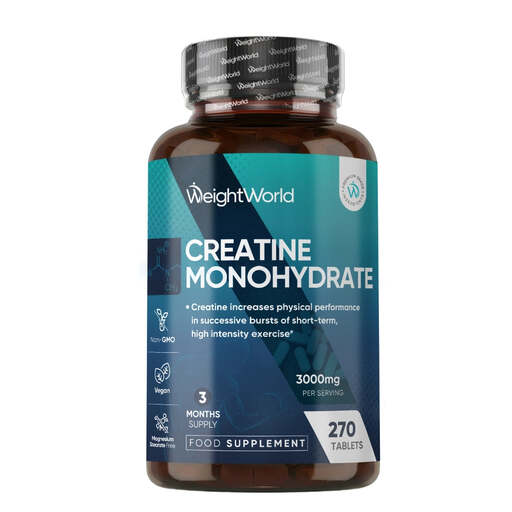
Why this product fits the profile: The tablet form requires no weighing and no mixing. According to the product information, three tablets daily provide 3,000 mg of creatine monohydrate; 270 tablets equate to 90 daily servings at this dosage.
The daily serving is given directly in tablets, making it easier to compare the contents with powder products.
Unflavoured tablets, gluten-free, milk-free and soya-free according to the product information; intended for adults.
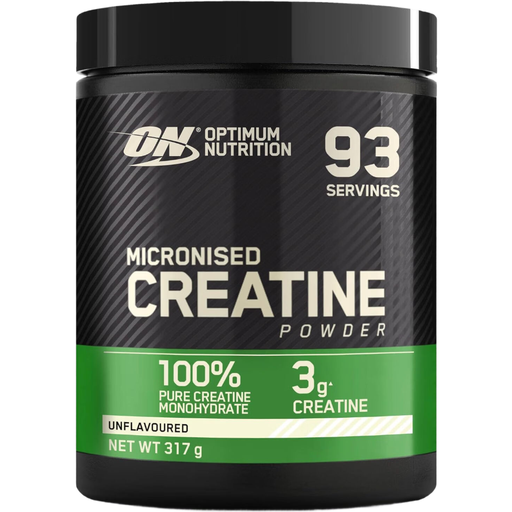
Why this product fits the profile: The unflavoured powder consists of 100% creatine monohydrate according to the product information and can be combined with water, juice or a training shake.
The ingredients list is short. The buyer can assess the creatine content without factoring in extra sweeteners, colourings or caffeine.
Micronised powder form, flavour-neutral and with 3 g of creatine per serving according to the product data.
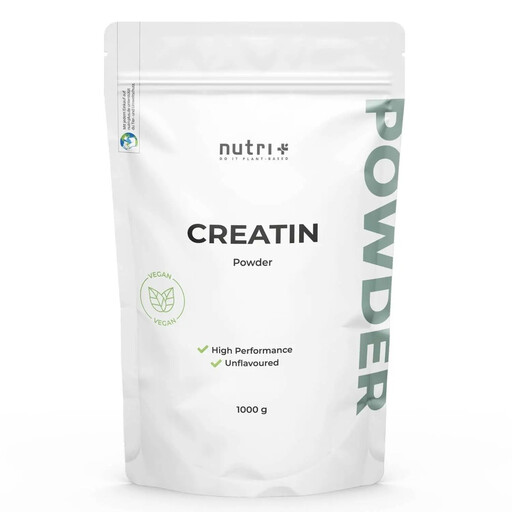
Why this product fits the profile: The large pack is ideal for people who train regularly and prefer a longer supply of pure powder. According to the product information, one serving contains 3 g of creatine.
The pack size and stated serving make the ongoing cost clearer than with small individual packs.
According to the product description, it contains no flavourings, sweeteners, colourings or preservatives; labelled as vegan creatine.
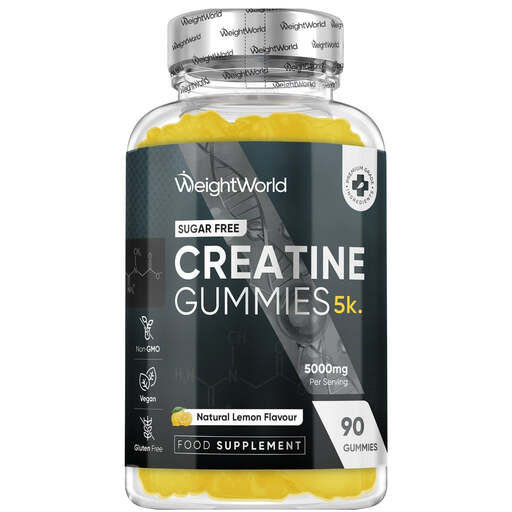
Why this product fits the profile: The gummies are suitable for adults who want to avoid powders and tablets. According to the product information, the daily serving consists of three gummies and provides 5,000 mg of creatine monohydrate.
The number of gummies per serving is clearly stated. At the same time, buyers should check the sugar and carbohydrate content on the current label.
Fruit flavour, chewable format and, according to the product information, gluten-free, lactose-free and gelatine-free.
We've put together a full, regularly updated list of products that fully meet these strict selection criteria and the safety regulations in force in the EU.
Creatine supplements are typically taken daily according to the recommended consumption guidelines on the product. The timing of intake is flexible for many products; what matters more is consistent dosing. Powder should be stored in a dry place and consumed soon after mixing. For gummies and tablets, reseal the packaging after each use.
Food supplements are not a substitute for a balanced diet or a healthy lifestyle. The products in this selection are intended for adults. If you have existing kidney conditions, are pregnant or breastfeeding, or are taking regular medication, seek medical advice before use.
The best-before date and storage instructions on the packaging are what you should follow. Keep the product dry, cool and protected from direct sunlight. Moisture can affect the handling and consistency of powder in particular.
This can only be judged by the price per gram or per stated daily serving. Powder often contains less packaging material and allows flexible dosing. Capsules and tablets, on the other hand, offer mess-free consumption, but can work out more expensive over time if several units are needed per day.
Gummies are mainly a matter of personal preference when it comes to taking supplements. They avoid the need for mixing and swallowing tablets, but depending on the recipe they contain extra ingredients such as sugar, glucose syrup, flavourings or sweeteners. If you prefer the shortest possible ingredients list, you're more likely to find that with pure creatine powder.