
Lieferung heute & morgen

Qualitätsgarantie

Willkommens-Angebote freischalten: KOSTENLOSE Lieferung | Bis zu 80 % RABATT | Kostenlose 30-Tage-JoyPlus-Testphase
App herunterladen
If you’re looking to buy creatine monohydrate powder, you’ll find plenty of products making similar promises: more performance, quick solubility, high purity or an especially large number of servings. But for a sensible buying decision, it’s not the flashiest packaging that counts – it’s the active ingredient content, the ingredients list and how you’ll use it day to day.
According to the authorised EU nutrition claim, creatine can enhance physical performance during repeated short bursts of high-intensity exercise. This effect is achieved with a daily intake of 3 g of creatine. That makes creatine powder appealing for adults who regularly do strength training, sprinting or interval training. Of course, a supplement is no substitute for a balanced diet or a suitable training plan.
A 5 g serving of powder doesn’t automatically contain 5 g of creatine. In flavoured products, acidity regulators, sweeteners or flavourings can make up part of the serving. What matters is the amount of creatine or creatine monohydrate per serving stated on the label.
For example: a product might list a serving size of 4.5 g, but only contain 3 g of creatine. So when comparing products, you should look at the active ingredient per serving, not just the total weight.
Micronised creatine consists of finer particles, which means it mixes more easily in water. The term mainly describes particle size and how the product behaves in use. It’s not an automatic guarantee of a certain level of purity or that it’s better suited for everyone.
If you want as few additives as possible, check the full ingredients list. Flavoured varieties often include sweeteners, acidity regulators and colourings.
A 300 g container will last a different length of time depending on your daily serving. At 5 g a day, you’ll get roughly 60 servings; at 3 g a day, about 100 servings. Products in tablet form usually state the number of servings directly, but they may also contain additional ingredients like cellulose or anti-caking agents.
For adults, many products recommend a daily serving of 3 g of creatine. You should always follow the specific dosage advice given by the manufacturer. A loading phase isn’t necessary for regular daily use. If you take creatine every day, don’t increase the recommended amount on your own.
Pay attention to the difference between:
Pure creatine is often listed in the ingredients as “Creatine Monohydrate” or “Kreatin Monohydrat”. Unflavoured powder can be mixed with water, juice or a protein shake, while flavoured products already have a set taste.
Tablets may contain fillers and anti-caking agents. That’s not necessarily a disadvantage, but it should suit your personal preferences. If you have allergies or intolerances, also check for any warnings about possible traces from production.
Depending on the product, you can take it before or after your workout. On rest days, taking it at the same time each day is practical. Always follow the liquid amount and storage instructions on the packaging.
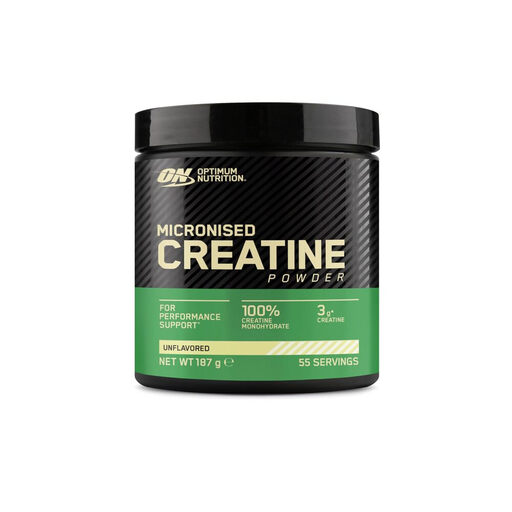
Why this product suits the profile: The unflavoured powder form is straightforward for beginners and can be mixed with water or an existing shake. Each serving provides 3 g of creatine, and the container offers around 55 servings according to the product description.
The stated creatine content isn’t diluted by flavourings or sweeteners. This makes calculating your daily serving simple.
Unflavoured, micronised creatine monohydrate; around 55 servings per 187 g pack.
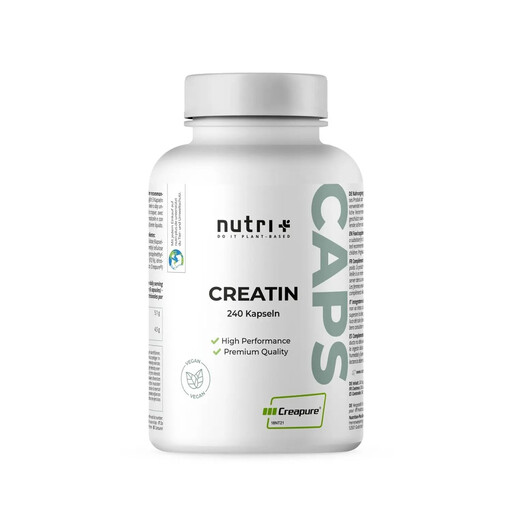
Why this product suits the profile: The product description states 100 % Creapure creatine monohydrate and lists no sweeteners, colourings, flavourings or preservatives. This appeals to those who prefer a short ingredients list.
The minimal ingredients list makes it easy to check for unnecessary flavourings and sweeteners. The recommended daily amount is 5 capsules providing 3.5 g of creatine monohydrate, according to the supplier.
Creapure as a declared raw material; vegan capsule shell and no need to weigh or dissolve.
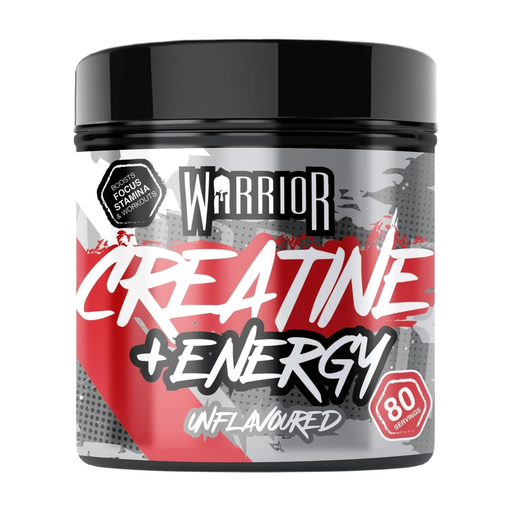
Why this product suits the profile: This combination contains creatine monohydrate, 80 mg of caffeine per serving, plus vitamins B3, B6 and B12. It’s aimed at adults who want to combine creatine with a caffeinated pre-workout routine in one product.
The additional caffeine content is clearly stated. This makes it easier to keep track of your total daily caffeine intake from coffee, energy drinks and other supplements.
360 g content with 80 servings according to the product information; plus 80 mg of caffeine and B vitamins per serving.
Creatine products are food supplements intended for adults. Do not exceed the recommended daily amount. If you have existing kidney problems, are taking medication, are pregnant or breastfeeding, you should consult a doctor before use. The same applies if you’re unsure about your personal tolerance.
Store creatine powder in a dry, sealed container, away from direct heat or sunlight. Moisture can affect how it handles and dissolves. With tablets, make sure you drink enough fluid to meet your personal needs.
We’ve put together a full, regularly updated list of products that fully meet these strict selection criteria and the safety regulations in force in the EU.
Many products are based on a daily amount of 3 g of creatine. However, you should always follow the instructions on the label of the product you’re using. Increasing your dose on your own without professional advice is not recommended.
Powder can be dosed flexibly and stirred into drinks. Tablets are easier to portion when you’re on the go and don’t need to be dissolved. So the choice really comes down to your drinking habits, how you travel and personal preference.
That depends on the pack weight and your daily serving. 300 g of creatine will last roughly 60 days at 5 g a day, or about 100 days at 3 g a day. The number of servings stated on the product is the key figure for direct comparison.