
Lieferung heute & morgen

Qualitätsgarantie

Willkommens-Angebote freischalten: KOSTENLOSE Lieferung | Bis zu 80 % RABATT | Kostenlose 30-Tage-JoyPlus-Testphase
App herunterladen
Anyone looking to buy crispy snacks online will quickly find a wide selection: sweet waffles, crispy biscuits, croutons, protein bars and crunchy spreads. But product images and terms such as “Crunchy” alone reveal little about ingredients, serving sizes or suitability for everyday use. A considered choice can help you avoid unnecessary disappointing purchases.
With biscuits, waffles and toasted bread cubes, crispiness depends on factors including the recipe, packaging and storage. A product may be crispy immediately after opening but quickly soften when exposed to moisture. Individually wrapped portions or resealable bags are therefore practical for snacks on the go and for storing products after opening.
With croutons, it should also be clear whether they are intended as a soup topping, salad accompaniment or standalone snack. Seasoned varieties may contain considerably more salt than sweet biscuits.
A low price per pack can be misleading if the pack sizes differ. You should therefore compare the unit price per 100 grams and pay attention to individual portions. A pack containing several small portions may be more practical for the office, school or commuting, while a larger pack creates less packaging waste for a family household.
Crispy snacks frequently contain wheat, gluten, milk, eggs, soya or peanuts. With peanut butter and Peanut Butter Cookies, information about peanuts is particularly important. You should also take possible traces of other nuts into account. Under food labelling regulations, allergens that must be declared have to be highlighted in the ingredients list. Nevertheless, always check the current packaging information before buying and eating a product.
If you want to buy peanut butter, compare the proportion of roasted peanuts and any added ingredients. For example, an organic peanut butter may contain just a few ingredients, while other varieties may also contain oil, sugar and salt. This is not a question of making a blanket judgement, but of choosing the product that suits your intended use.
For sweet snacks such as crispy biscuits, butter waffles or Peanut Butter Cookies, sugar and fat levels are also relevant. With savoury snacks such as croutons, it is worth checking the salt content and seasoning mix.
The nutrition table allows you to make a direct comparison. Among the products in the selection, figures range from around 466 kcal per 100 grams for oat biscuits to more than 620 kcal per 100 grams for crunchy peanut butter, for example. With protein bars, you should consider the serving size as well as the protein content: a 50-gram bar cannot be directly compared with 100 grams of another product.
The description protein bar with peanuts should not lead you to overlook sugar, fat, salt and allergens. The overall nutritional profile is what matters, as does whether the bar is intended as a snack on the go or as a supply for several people.
Crispy products are sensitive to moisture. Instructions such as “store in a cool, dry place” or “seal airtight after opening” are therefore practically important. Natural oil may separate in peanut butter. In this case, the mixture should be stirred before use, as stated in the product information.
Also check the net quantity: Jeden Tag Crispy Butter Waffles are offered as six individually wrapped portions of 40 grams each, while B&C Crispy Butter Waffles are available in a 250-gram pack. Individual portions can be crucial when eating on the go; for stocking up, pack size and unit price are the key considerations.
The following products suit different shopping priorities. The information is based on the product details provided in each case. Ingredients, nutritional values and allergen information should be checked on the packaging again before eating.
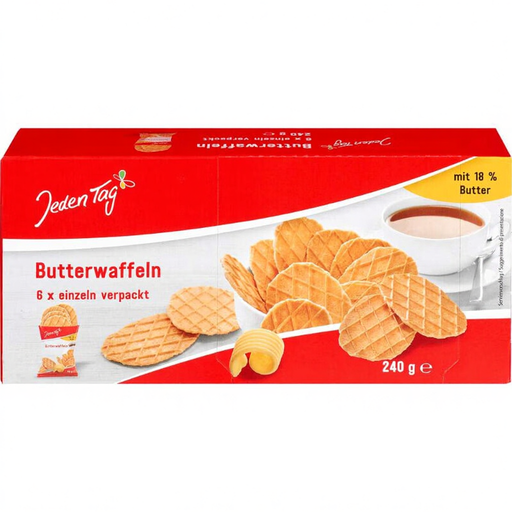
Why this product suits this profile: The six individually wrapped 40-gram portions are ideal for coffee breaks, carrying in your rucksack or enjoying as a small sweet snack between appointments.
The portioning makes the actual quantity clear and reduces the risk of leaving a large opened pack unprotected for a long time.
40 g per portion, 18% butter according to the ingredients information and 0.25 g salt per 100 g.
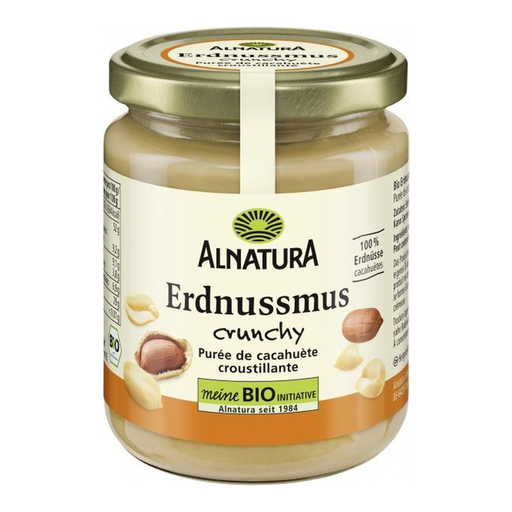
Why this product suits this profile: According to the product information, the recipe consists of roasted organic peanuts without added stabilisers, salt or sugar. This makes the spread suitable for a range of uses, including breakfast, baking recipes, sauces and dressings.
The peanut content and short ingredients list are clearly stated. Possible natural oil separation is also explained explicitly, rather than suggesting an artificially uniform texture.
100% roasted organic peanuts according to the product information, 29 g protein and less than 0.01 g salt per 100 g.
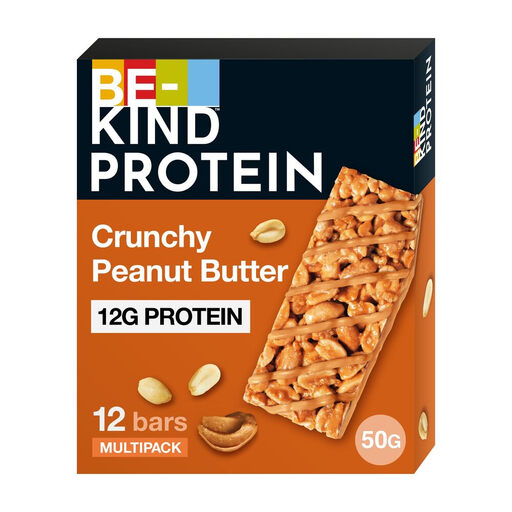
Why this product suits this profile: The box of twelve 50 g bars is designed for households, offices or regular snacks on the go. According to the product information, each bar provides 12 g of protein.
The portion size is clearly defined. At the same time, the nutrition table shows that each bar contains 7.5 g of sugar and 16.5 g of fat as well as protein.
12 bars per box, 12 g protein per 50 g bar and, according to the product information, gluten-free and free from artificial colourings, flavourings and preservatives.
We have put together a complete, regularly updated list of products that fully meet these strict selection criteria and the safety regulations applicable in the EU.
Butter waffles or crispy biscuits in manageable portion sizes are ideal for a coffee break. If you are looking for something to add to a salad or soup, or for a savoury break, you can choose crispy croutons with garlic or butter flavouring. With these products, you should pay attention to the salt content per 100 grams.
Sweet snacks such as Leibniz Oat Crunchy Butter Biscuits or Hellema Crunchy Peanut Butter Cookies mainly differ in their oat or peanut content, sugar levels and allergens. Families can benefit from comparing the total quantity and intended serving size. Students and working professionals often appreciate resealable or individually portioned packs.
This depends on the recipe, packaging and storage. Dry products should be stored in a cool, dry place away from direct sunlight and sealed as airtight as possible after opening. The best-before date on the packaging is an important guide for unopened products.
Compare the peanut content, added oil, sugar and salt. If natural oil separation occurs, stir the peanut butter before use. People with allergies should carefully check the information about peanuts and possible traces of other nuts.
Individually wrapped butter waffles, biscuits and bars are easy to portion. Products with sturdy packaging are practical for longer storage in a rucksack. In warm weather, peanut butter should be protected from heat, as this can affect its consistency and the distribution of oil.