
Lieferung heute & morgen

Qualitätsgarantie

Willkommens-Angebote freischalten: KOSTENLOSE Lieferung | Bis zu 80 % RABATT | Kostenlose 30-Tage-JoyPlus-Testphase
App herunterladen
If you’re looking to buy a cup, you’ll soon find plenty of options. Drinking cups, measuring cups, plastic cups, coffee cups, children’s cups and reusable cups can vary considerably in their material, capacity and care requirements. A low price alone doesn’t tell you whether a particular model will suit your day-to-day needs.
Three common buying pitfalls are worth looking out for:
For the kitchen, PP plastic measuring cups are practical because they’re lightweight and easy to handle while preparing food. Even so, it’s important to check the specified temperature range. A PS drinking cup, for example, may be suitable for cold and hot drinks up to a stated limit, but not for use in the microwave.
With ceramic cups, check the glaze, handle and usage guidance. According to its product description, the YumiPLUS 1pc Purple trapezoidal cup has a ceramic body with a food-safe glaze, is suitable for the microwave and dishwasher, and holds around 282 ml. The cup may be hot after microwaving. Don’t continue to use ceramic that is damaged or chipped.
When choosing plastic products, it’s worth checking the precise labelling. The 5five Estiva Tumbler PS Charcoal Gray 380mL is stated to comply with food contact regulations EC No. 1935/2004 and Regulation (EU) No. 10/2011. According to the product description, it’s suitable for drinks up to 70 °C and isn’t recommended for the microwave.
The right size depends on what you’ll use it for:
For a measuring cup, easy-to-read markings, a sturdy handle and a well-designed spout matter more than decorative details. The BJ 1000ml Plastic Measuring Cup has a stated capacity of 1,000 ml. The BJ 1000ml Plastic Filter Measuring Cup is designed for those who also need a filter when pouring. Before you buy, check which markings and units of measurement are actually shown.
A cup with several separate parts can be handy when you’re out and about, but it takes more care to clean. For a baby training cup, the valve, drinking spout, straw and lid should be easy to take apart. Follow the manufacturer’s guidance on dishwasher use.
According to its product description, the Philips Avent Training Cup SCF551/03 holds 200 ml and has a silicone spout, an integrated valve and a ribbed body that’s easy for little hands to grip. The Philips AVENT SCF798/02 Straw Cup holds 300 ml and features a flexible straw, a flip-top lid and an anti-leak valve. These details describe how the cup is designed; they don’t replace checking that the lid is properly fitted.
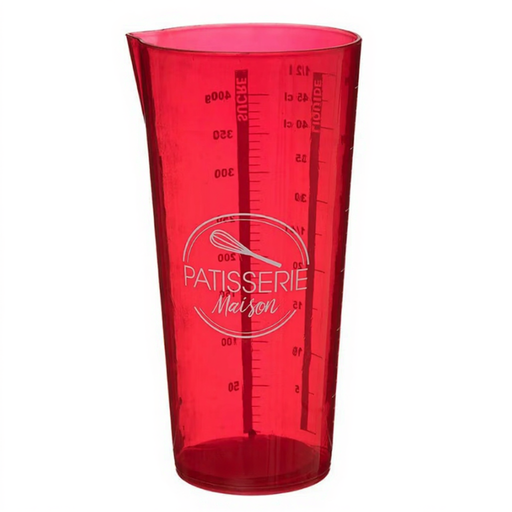
Why it’s a good fit: This 500-ml measuring cup made from transparent PP is ideal for everyday cooking and baking, without an unnecessarily large capacity.
The product description specifies the material, capacity, handle and spout. It also notes that the design may vary.
500 ml capacity, transparent PP and a spout for controlled pouring.
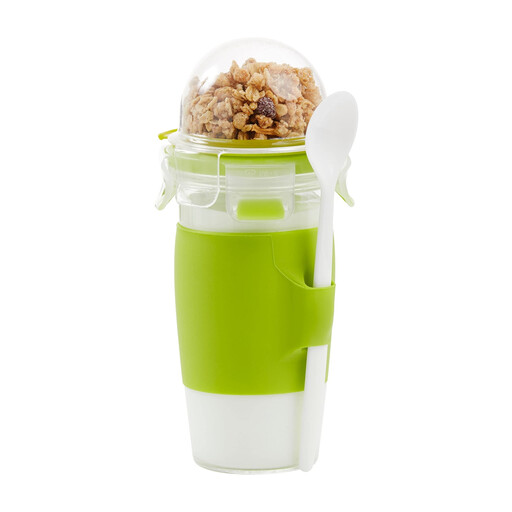
Why it’s a good fit: For the office, your commute and snacks between meals, this cup combines separate compartments with a closure designed for carrying food on the go.
The description mentions an airtight seal, a separate compartment and an included spoon. Remove the lid before heating.
450 ml capacity, a separate compartment and a spoon. According to the product information, it’s dishwasher-, freezer- and microwave-safe.
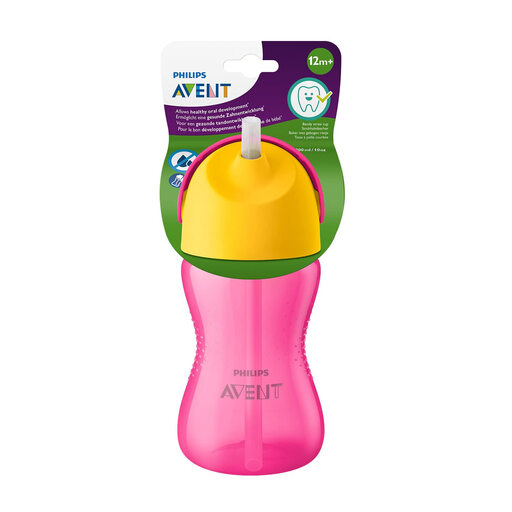
Why it’s a good fit: Designed for toddlers, this children’s cup has handles, a straw and a flip-top lid for everyday use on the go.
The anti-leak valve and protective lid help reduce the risk of spills. According to the product information, the separate parts can be taken apart for cleaning.
300 ml capacity, BPA-free material according to the product information, a flexible straw and a dishwasher-safe design.
We’ve put together a comprehensive, regularly updated list of products that meet these strict selection criteria and fully comply with the safety regulations in force in the EU.
For use on the go, a securely fastening lid, a well-fitting seal and a sturdy shape are essential. Handles and a valve are also useful on children’s cups. Check whether the cup is designed for cold drinks only or is also suitable for hot drinks.
There’s no set lifespan that applies to every cup. It depends on the material, temperature, cleaning and how the cup is used. Cracks, warping, cloudy patches or damaged seals are all reasons to replace a drinking cup. For reusable cups, follow the manufacturer’s guidance on dishwasher and microwave use.
A cup set can be a good choice if several people in your household need the same size, or if you regularly have guests. For a single desk or a specific purpose, one cup may be a better fit. So compare more than just the price per cup: check the material, capacity and care requirements too.