
Lieferung heute & morgen

Qualitätsgarantie

Willkommens-Angebote freischalten: KOSTENLOSE Lieferung | Bis zu 80 % RABATT | Kostenlose 30-Tage-JoyPlus-Testphase
App herunterladen
The desire to cook an authentic curry at home leads many down the supermarket aisle. But the sheer number of options can be overwhelming, and the results often disappoint. Before you buy curry again, you should know the common pitfalls that frequently lead to an unsatisfying flavour experience.
Many products suffer from vague heat labels, where "hot" means little more than mildly spicy. Others are overloaded with sugar and fillers that mask the true spice flavours. Another problem is the generic, "one-size-fits-all" curry taste that lacks the distinct regional character of a Tikka Masala, Korma, or Vindaloo. This guide will help you navigate these hurdles and find the right products for your palate.
Choosing the right foundation is the first step to a successful curry. Each form has its specific uses and advantages.
The world of curry is diverse, ranging from mild and creamy to extremely hot. The names of the dishes often give a clue about the expected flavour profile.
The ingredients list is a reliable indicator of a curry product's quality. Make sure that spices like coriander, cumin, turmeric, and fenugreek are high up on the list. High-quality pastes also often contain tamarind for a fruity acidity. Be wary if sugar, cornstarch, or water are among the first ingredients, as this can indicate a diluted product with less intense flavour.
Here are some recommendations tailored to different needs and preferences.
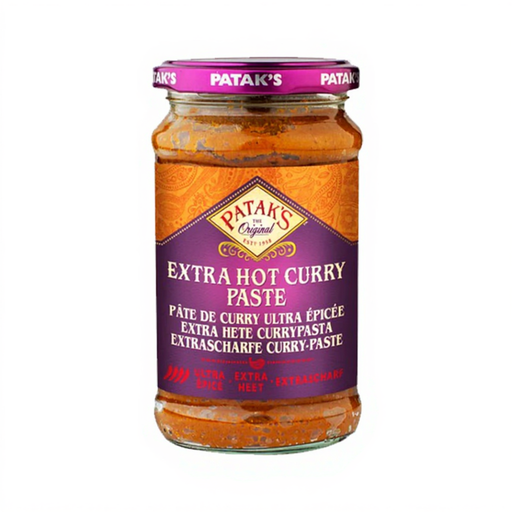
Why This Fits Their Persona: Ideal for anyone who finds standard "hot" products too mild. This paste allows you to precisely control the heat level and create dishes with a truly intense, fiery kick without sacrificing deep flavour.
This paste avoids the trap of vague heat labels by delivering a clearly defined, very high level of heat that lives up to its name.
A concentrated blend of spices like chilli, cumin, and paprika provides a complex flavour that goes beyond pure heat.
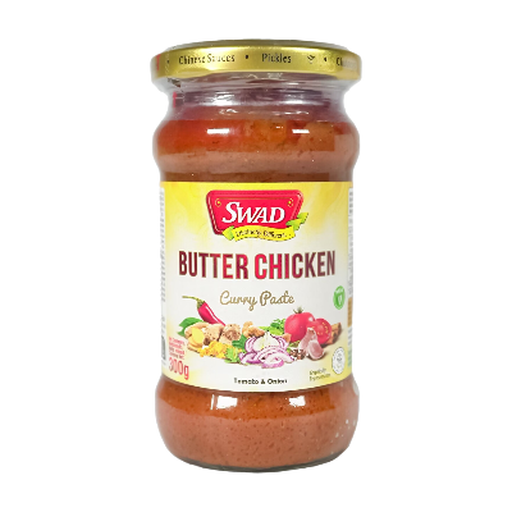
Why This Fits Their Persona: Perfect for home cooks who want to prepare an authentic yet mild and family-friendly Butter Chicken paste dish. The paste provides a rich base for a creamy tomato sauce.
This product avoids the "one-size-fits-all" curry flavour by delivering the characteristic notes of tomato, ginger, and mild spices for an authentic Butter Chicken.
The vegetarian recipe is versatile and can be combined with chicken as well as paneer or vegetables. It is certified Halal.
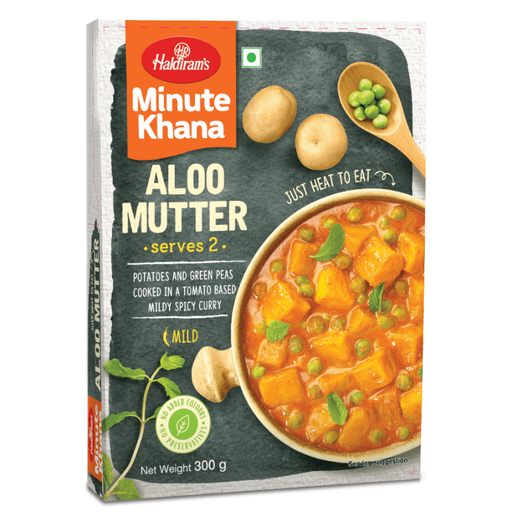
Why This Fits Their Persona: An excellent choice for professionals, students, or anyone looking for a quick, nutritious, and purely plant-based meal. This Aloo Matar is a classic North Indian dish that's ready to serve in minutes.
As an explicitly declared vegan ready-to-eat curry, it offers peace of mind for a purely plant-based diet and avoids the trap of hidden animal ingredients in sauces.
The dish is mildly spiced and combines potatoes and peas in an aromatic tomato and onion sauce. It's a complete meal that pairs well with rice or bread.
We have compiled a complete, up-to-date list of products that meet these strict selection criteria and comply with current regulations.
The main difference lies in their consistency and composition. A curry paste is a moist, thick paste of ground spices, often blended with oil, water, vinegar, and fresh ingredients like ginger or garlic. It serves as an intense sauce base. Curry powder is a dry mix of ground spices and is better suited for general seasoning or for marinades.
Once opened, curry paste should always be stored in the refrigerator. To extend its shelf life, you can cover the surface in the jar with a thin layer of oil to minimise contact with air. The exact shelf life varies by manufacturer and is stated on the label, but it is typically four to six weeks.