
Lieferung heute & morgen

Qualitätsgarantie

Willkommens-Angebote freischalten: KOSTENLOSE Lieferung | Bis zu 80 % RABATT | Kostenlose 30-Tage-JoyPlus-Testphase
App herunterladen
If you’re looking to buy curry instant noodles, you’ll find a huge selection online: from spicy curry noodles in sachets to Cup Noodles Curry, Japanese curry ramen and Southeast Asian laksa noodles. However, these products differ significantly in ingredients, portion size, preparation method and allergens.
A flashy packet or the phrase “authentic flavour” alone tells you very little about whether a product is actually right for you. What really matters is the information on the label and how and where you plan to use the meal.
A box of eight cups might look generous at first glance. With NISSIN Soba Cup Noodle Japanese Curry, the pack contains 8 × 90 g, whereas individual sachet products usually contain just one portion. For stocking up the office cupboard or feeding a multi-person household, a bulk pack can make sense. But if you only need a quick meal occasionally, buying a large pack might mean paying for more servings than you actually want.
Japanese curry ramen is often mild, slightly sweet or gently spiced. Thai curry instant noodles, on the other hand, can feature notes of lemongrass, coconut or chilli. Laksa products sometimes contain prawns, oyster sauce or dried seafood. So checking the ingredients list is far more important than relying on the flavour description on the front of the pack.
Curry Chicken noodles, seasoning with chicken flavour, or laksa containing prawn ingredients are not automatically plant-based. Milk, egg, soya, peanuts and sesame can also appear depending on the recipe. For a targeted choice, you should check both the ingredients list and the allergen labelling. If you have allergies or intolerances, always refer to the information on the current packaging.
Look for clearly listed allergens such as wheat and gluten, soya, milk, egg, peanuts, sesame, celery and crustaceans. In laksa noodles, prawns or oysters are often part of the seasoning paste. The IRAGASHI SEIMEN Plant-Based Curry Ramen are described on the product information as plant-based and suitable for a vegan diet; however, they contain wheat and are therefore not gluten-free.
With products labelled “Chicken”, a synthetic chicken flavouring may be used, but the recipe could still contain other animal-derived ingredients. So always check the full ingredients list.
For the office, university or on the go, Cup Noodles Curry are practical because you only need hot water. NISSIN Instant Noodles Cup Curry 67 g is prepared with boiling water according to the product information and takes about three minutes. Sachet products like Indomie Chicken Curry, on the other hand, are boiled, drained and then mixed with seasoning powder, oil and chilli.
Another option is microwave products. Yi Wan Wu Dong Stir-fried Udon Coconut Curry is heated in a bowl with a little water for around two to three minutes, according to the instructions. Before preparing, check whether the packaging is microwave-safe and whether you need to transfer it to another dish.
Instant noodles often contain seasoning powder, oil or concentrated sauces. So compare the nutritional values per 100 g and, where available, per portion. The figures may refer to the dry product or to the prepared meal. This difference affects how comparable they are.
An 80 g portion of Indomie Noodle Chicken Curry provides 455 kcal and 4.3 g of salt per 100 g, according to the product information. This isn’t a judgement, but a guide for your own dietary planning. If you eat this meal regularly, you could reduce the seasoning amount slightly or add vegetables and a source of protein.
The following recommendations group products by practical use cases and the product features stated on the packaging.
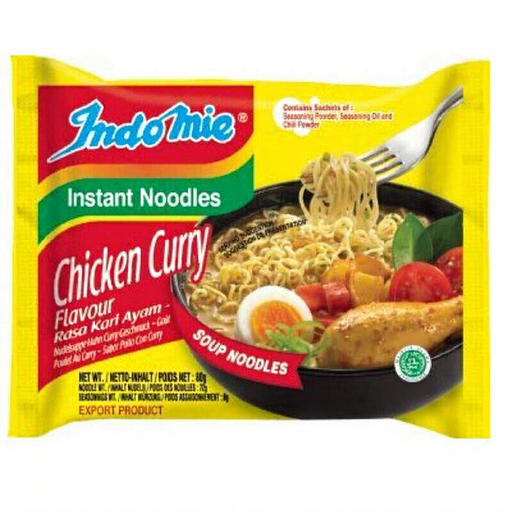
Why this product fits the profile: A single 80 g portion is ideal for trying curry noodles for the first time, and can be prepared in a pan at home, in the office or during your studies.
The portion size is clearly stated. Plus, the seasoning powder, flavoured oil and chilli powder are packed separately, so you can adjust the heat level to your taste.
80 g sachet portion; according to the product information, contains wheat and cashew components in the flavoured oil and recipe.
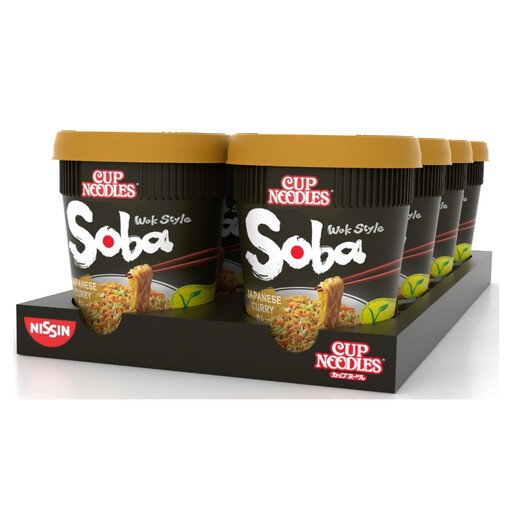
Why this product fits the profile: The cup format with a drain lid combines a defined portion size with a preparation method that doesn’t require a saucepan.
The pack contains eight individually portioned cups. According to the instructions, the water is drained through the lid after three minutes.
8 × 90 g; noodles with carrots, cabbage and roasted onions; according to the labelling, contains wheat, soya and milk.
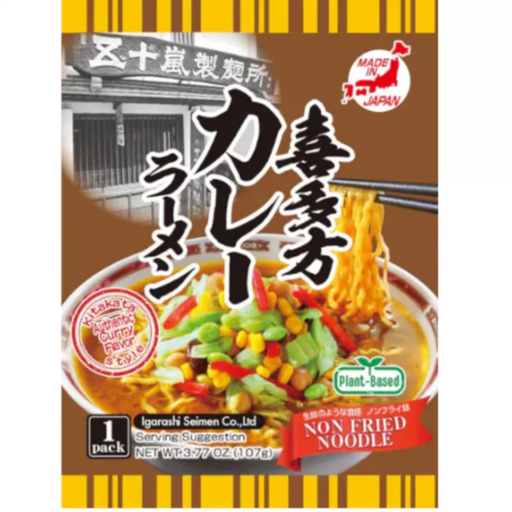
Why this product fits the profile: The plant-based recipe is aimed at shoppers looking for vegan curry ramen who want to check the ingredients carefully.
The product information explicitly states its suitability for vegetarians and vegans. At the same time, wheat is listed as an allergen.
107 g portion; non-fried, slow-dried wheat noodles; preparation with 500 ml water and around five minutes’ cooking time.
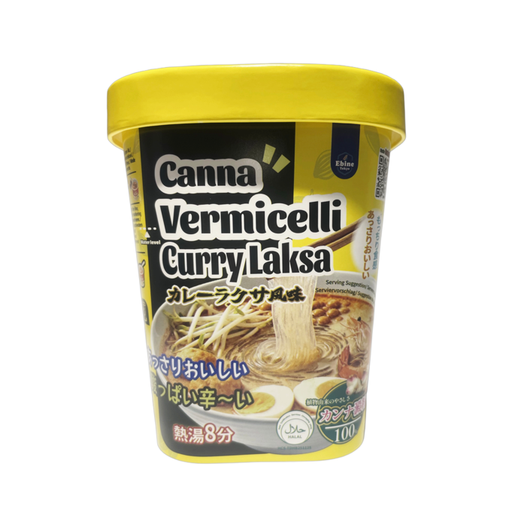
Why this product fits the profile: The combination of canna vermicelli, coconut base and separate chilli powder is aimed at people who want to prepare laksa with adjustable heat.
The ingredients clearly list milk, prawns, oysters and soya. This makes it easier to match the recipe against your personal dietary restrictions before buying.
90 g cup; separate chilli portion; around eight minutes’ steeping time according to the instructions.
We’ve put together a full, regularly updated list of products that fully meet these strict selection criteria and the safety regulations in force in the EU.
It depends on the product format. With cups, you usually pour boiling water up to the fill line. Sachet ramen is often boiled in a pan and then mixed with the seasoning. Always follow the instructions on the specific packaging, as the water quantity and steeping time can vary.
The best-before date is printed on the packaging. Unopened products should be stored in a cool, dry place away from direct sunlight. Once opened or prepared, instant noodles should be eaten immediately in line with the pack instructions.
Not automatically. Some products contain milk, prawns, oyster sauce, egg or chicken ingredients. Vegan curry ramen must be selected by checking the ingredients and allergen list. If you’re unsure, check the labelling of the specific product and don’t rely solely on terms like “curry” or “Asian style”.