
Lieferung heute & morgen

Qualitätsgarantie

Willkommens-Angebote freischalten: KOSTENLOSE Lieferung | Bis zu 80 % RABATT | Kostenlose 30-Tage-JoyPlus-Testphase
App herunterladen
If you're looking to buy curry paste, the German online market offers a huge selection of Thai and Indian varieties. However, there are significant differences between green curry paste, red curry paste, Massaman curry paste and Madras curry paste when it comes to ingredients, heat level, allergens and portion size. A flashy packet alone won't tell you whether the paste actually suits your cooking style.
Labels like "hot", "extra hot" or "mild" aren't comparable across different brands. How spicy something actually tastes depends on the chilli content, the type of chilli used and how much you add. If you're sensitive to heat, it's best to check the ingredients list first and start with a small amount.
A green curry paste isn't automatically milder than a red curry paste. Green chillies can be just as fiery. Even an authentic curry paste claim doesn't replace a proper look at the ingredients and preparation instructions.
Thai curry pastes may contain shrimp paste or fish ingredients. This is especially true for classic red, yellow and Massaman varieties. If you're after a vegan curry paste, make sure you check both the ingredients list and the allergen labelling. Warnings like "may contain traces" are important for anyone with allergies.
Indian pastes may list mustard, peanuts or possible traces of milk, soya and tree nuts. Always rely on the packaging of the product you receive, because recipes and labels can change.
A curry paste 400 g is ideal for households that cook curry regularly or like to stock up. However, once opened, many products need to be refrigerated and used within a certain time. For occasional cooking, a 50 g or 283 g pack may be more practical, even if the price per 100 g is higher.
Thai curry pastes often contain ingredients like lemongrass, galangal, kaffir lime, shallots and chilli. They're usually combined with coconut milk, vegetables, tofu, meat or seafood. An Indian curry paste, on the other hand, typically uses spices like cumin, coriander, turmeric, ginger, tamarind or fenugreek.
The name mainly tells you about the flavour profile and the dish it's intended for:
Pay attention to the order of ingredients: whatever comes first is usually present in the largest amount. In some products, salt appears quite high up. The nutritional information can also help you compare different pastes objectively.
Key allergens to watch for include:
For a vegan or vegetarian diet, it's not enough to choose by flavour alone. Always check the specific labelling on the jar, pouch or box before you buy.
Small 50 g portions are great for trying a new variety or for households that don't cook curry often. Sizes between 283 g and 400 g give you more flexibility for several meals. A 1 kg pack is better suited to heavy users, larger households or catering businesses.
Also check the dosage. If a paste already contains a lot of salt or oil, you'll need to adjust any extra seasoning accordingly. Instructions like "2–3 tablespoons" or "50 g paste" are far more useful than a purely marketing-led description of the flavour.
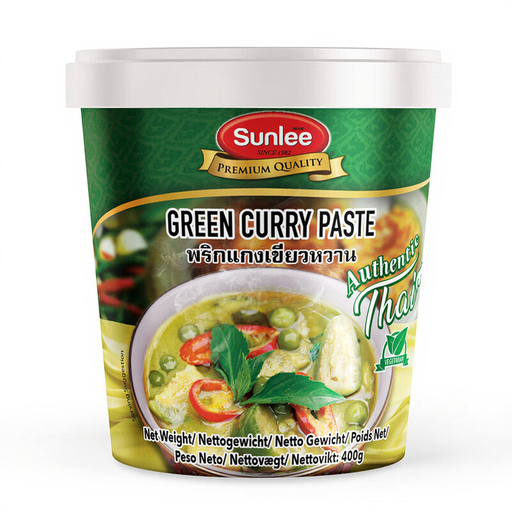
Why this product fits the profile: The 400 g pack offers a practical quantity for regular cooking and is labelled as vegan with no declared allergens. It's easy to combine with coconut milk, vegetables or tofu.
The ingredients list includes green chilli, lemongrass, galangal and kaffir lime. This makes it easier to judge the flavour profile before buying than relying on colour names alone.
400 g content; vegan recipe according to the product description; 53 kcal and 7.0 g salt per 100 g as per the stated nutritional values.
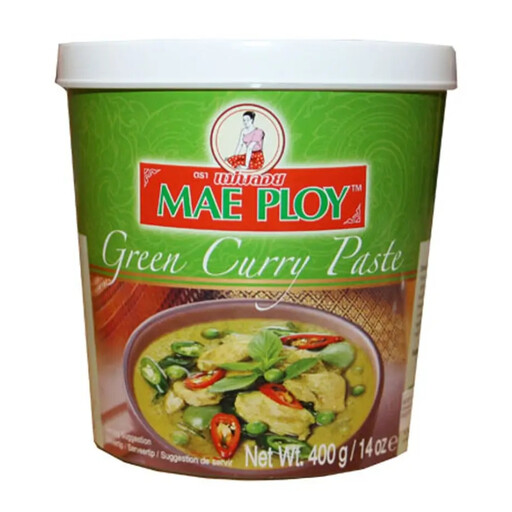
Why this product fits the profile: The declared ingredient base includes green chilli, lemongrass, galangal, kaffir lime and spices. The product is stated to be from Thailand and is intended for curries, marinades and stir-fries.
The product data lists ingredients, allergens, nutritional values and storage instructions. This allows buyers to compare heat, salt content and dietary suitability more accurately.
400 g content; no allergens in the stated product data; 93 kcal and 8.0 g salt per 100 g.
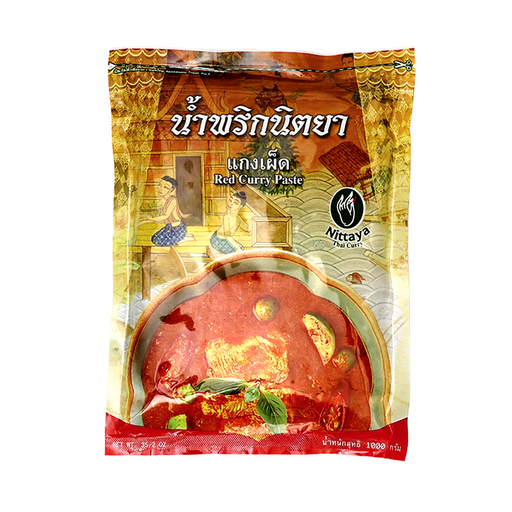
Why this product fits the profile: The 1 kg pack is designed for frequent cooking or commercial use. The recipe contains dried red chilli, lemongrass, galangal and shrimp paste.
The ingredients and allergen information clearly states crustaceans. This reduces the risk of ordering a large pack that doesn't suit your dietary requirements.
1 kg content; dosage recommendation of 50 g paste with 400 ml coconut milk; refrigerate after opening.
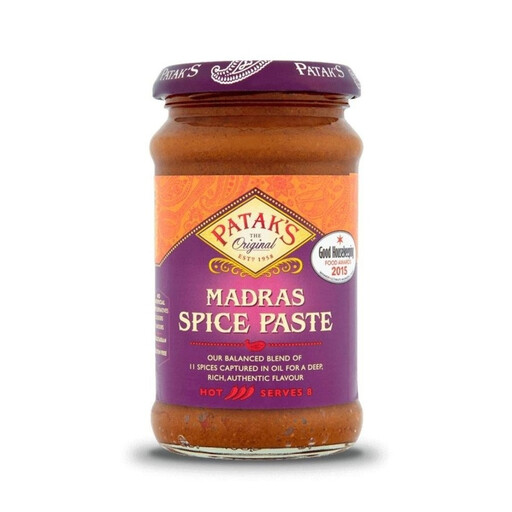
Why this product fits the profile: This paste combines onion, tomato, cumin, coriander, mustard seeds, turmeric and chilli, among other ingredients. According to the preparation instructions, it's enough for around three to four portions.
The mustard it contains is clearly listed as an allergen. The portion guide and specific dosage make shopping and meal planning much easier.
283 g content; suitable for curry, marinades, soups and sauces; 6.5 g salt per 100 g according to product information.
We've put together a full, regularly updated list of products that meet these strict selection criteria and comply with all EU safety regulations.
Many pastes are first fried in a little oil to release the spice aromas. Then you add coconut milk, stock or water. Vegetables, tofu, pulses or meat are then cooked in the sauce. The exact amount you use should depend on the pack instructions and how hot you want it.
Once opened, products should generally be kept in the fridge and stored airtight. Always check the best-before date and the recommended period for use after opening. Paste is a cooking ingredient and isn't intended to be eaten straight from the jar.
A paste with clear dosage instructions and a medium pack size makes it easier to get started. For vegan cooking, vegan Thai pastes are a good option. Start with a small amount to control the heat, and adjust with extra coconut milk or stock if needed.
This depends on the brand, recipe and storage conditions. Some products should be used within four weeks, others within six weeks or three months. Always follow the instructions on the packaging. Keeping it cool and using a clean spoon will help prevent contamination.
Look for products that are clearly labelled as vegan and don't contain shrimp paste, fish ingredients, milk or any other animal-derived ingredients. If you're unsure, compare the ingredients list and allergen information directly.