
Lieferung heute & morgen

Qualitätsgarantie

Willkommens-Angebote freischalten: KOSTENLOSE Lieferung | Bis zu 80 % RABATT | Kostenlose 30-Tage-JoyPlus-Testphase
App herunterladen
Curry spice is not just curry spice. Depending on the blend, heat level and form of preparation, the result can range from a mild family meal to a robust Indian curry. If you only look for terms like 'authentic', 'aromatic' or 'extra spicy' when shopping online, you risk missing important details.
Our selection shows what home cooks in Germany should look out for when buying, and which curry powder suits which purpose.
Curry powder can taste significantly different depending on its origin and recipe. An Indian curry spice often contains ingredients such as coriander, turmeric, cumin, chilli, fenugreek or mustard. Japanese curry, on the other hand, is often sold as a sauce mix or ready meal. It is usually thicker and is traditionally served with rice or noodles.
The term 'curry' alone therefore tells you little about the heat, consistency or intended use.
A mild curry powder can still be intensely spiced or salty. Ready-made sauces and Japanese curry blocks may also contain ingredients such as wheat flour, vegetable fats, sugar or flavour enhancers. Checking the ingredients list and the nutritional values per 100g helps you compare products more objectively.
Curry spice blends can contain mustard, celery or gluten-containing cereals. In thickened curry sauces, wheat is often part of the recipe. What's more, pack sizes and recommended quantities vary: a 40g or 45g shaker is ideal for occasional seasoning, whereas 400g of curry powder is more suitable for heavy users.
For family meals, a mild curry powder or a Japanese sauce labelled 'Mild' is a good choice. If you prefer more heat, you can opt for a hot curry powder or a hot variant. Don't judge the heat level by colour alone, as turmeric gives a strong golden-yellow colour without automatically being spicy.
With a Madras curry powder, it's worth distinguishing between 'Mild' and 'Hot'. Both variants can contain similar base spices, but can differ significantly in their chilli content.
Ingredients are always listed in descending order of weight. For example, Cadea Mild Curry Powder is based on turmeric and coriander. According to the product information, it contains no allergens that require declaration. TRS Mild Madras Curry Powder, on the other hand, contains mustard.
With Japanese curry blocks, buyers should pay particular attention to wheat, celery and mustard. S&B Golden Curry Sauce Mix Mild contains these allergens according to the product description. If you are cooking for guests or need to consider intolerances, check the packaging details before preparation.
For curry spice for meat and vegetables, a pure powder is usually more versatile. If you want to eat without lengthy preparation, a curry sauce mix or a ready meal offers a time-saving alternative.
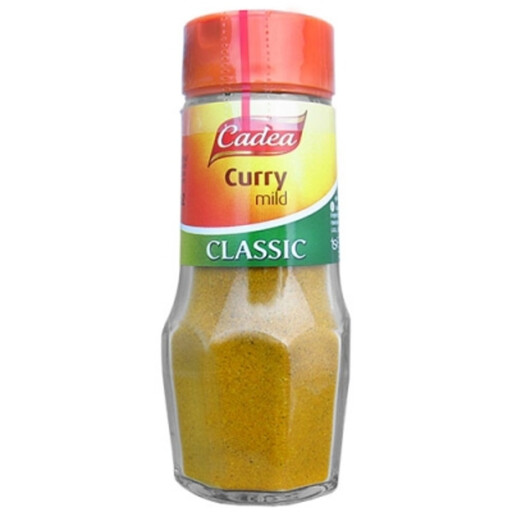
Why this product fits the profile: The small pack is ideal for getting started and for households that only use curry occasionally. The shaker allows for controlled dosing.
The ingredients list and the stated mild character make the selection more transparent than a vaguely described curry blend.
45g content, mild recipe, no added flavour enhancers or preservatives according to product information.
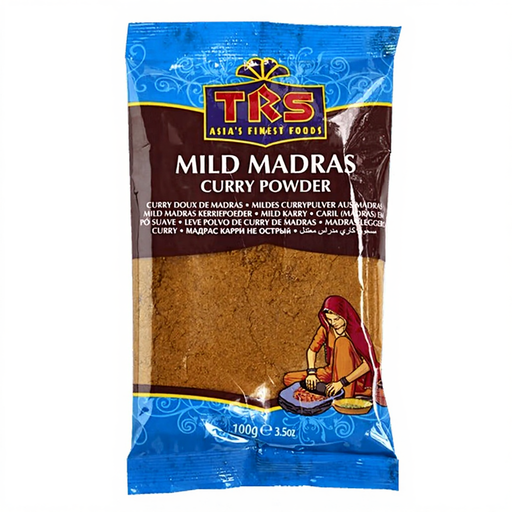
Why this product fits the profile: The blend clearly states its main ingredients and combines coriander, turmeric, chilli, mustard and cumin into a mild Madras profile.
The 'Mild' label helps with heat selection. The mention of mustard reduces the risk of overlooking allergens when shopping.
100g pack, clearly named Madras profile and a suitable heat level for curries with meat or vegetables.
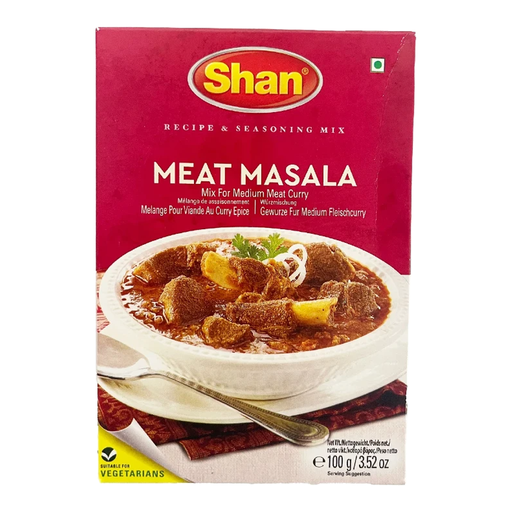
Why this product fits the profile: This Pakistani spice blend is designed for meat dishes and contains, among other things, chilli, paprika, coriander, turmeric, cumin and aromatic spices.
The specific intended use prevents a general curry powder from being chosen for a special meat dish. This allows you to adjust the dosage gradually.
100g content, versatile for meat dishes and, according to product information, free from artificial colours and preservatives.
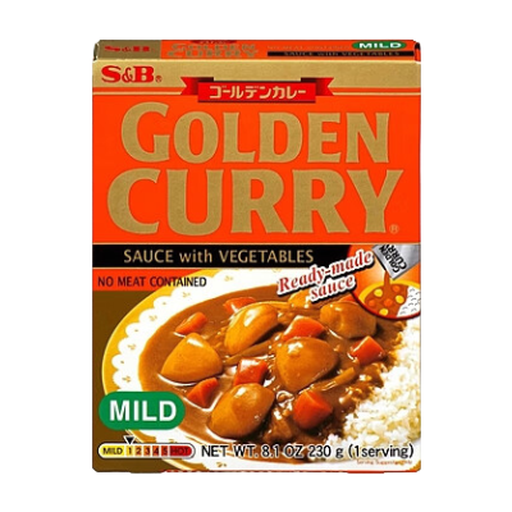
Why this product fits the profile: This ready-made Japanese curry sauce contains potatoes, carrots and onions and can be combined with rice or noodles.
The declared mild heat level and the straightforward pouch preparation help avoid wrong purchases when you have little cooking experience or a tight schedule.
230g ready meal, preparation by heating the unopened pouch, and a suitable accompaniment to rice or noodles.
We have put together a complete, regularly updated list of products that fully meet these strict selection criteria and the safety regulations in force in the EU.
Opened curry powder should be stored in a dry, dark and airtight container. Moisture can affect its flowability and alter the aroma. For curry blocks and ready-made sauces, follow the instructions on the packaging. Once opened, products should be used promptly according to the manufacturer's recommendation and, if necessary, refrigerated.
For a curry with meat or vegetables, it is advisable to briefly fry the powder with onions, garlic or oil first. This helps the spice distribute more evenly. With a Japanese curry sauce mix, the block is usually stirred in after the main ingredients have been cooked. The exact amount of water and number of portions vary depending on the product.
A mild curry powder with a straightforward ingredients list is a good starting point. For particularly easy preparation, ready-made mild curry sauces or a Japanese curry block are ideal. You can always add more heat later with chilli or pepper.
You will find the best-before date on the packaging. When stored in a dry, airtight and light-protected place, curry powder is generally usable up to that date. After opening, pay particular attention to moisture, clumping and any loss of aroma.
Yes. Japanese curry is often served with udon or other noodles. A classic curry powder can also be used for noodle stir-fries, sauces and one-pot dishes. With thickened curry blocks, you get a thicker sauce that clings well to noodles.