
Lieferung heute & morgen

Qualitätsgarantie

Willkommens-Angebote freischalten: KOSTENLOSE Lieferung | Bis zu 80 % RABATT | Kostenlose 30-Tage-JoyPlus-Testphase
App herunterladen
Anyone looking to buy dairy products online will quickly find a wide range of pack sizes, fat levels and product types. However, comparing prices alone is not always enough. The intended use, storage requirements, ingredients list and actual quantity per pack are all important factors. This applies equally to households, families, coffee lovers, home bakers and anyone looking to stock up on long-life products.
The term “condensed milk” is commonly used for different products. Sweetened condensed milk contains sugar as an ingredient and is often suitable for desserts, sweet dishes and certain drinks. Unsweetened condensed milk, also known as evaporated milk, is concentrated by removing water and contains no added sugar – although the milk’s natural lactose remains.
Checking the ingredients list helps you avoid buying the wrong product. According to the product details, Nestlé Milkmaid Sweetened Condensed Milk 397 g contains whole milk and sugar. Its nutritional information lists 55 g of sugar per 100 g. This product is therefore used differently from a coffee milk with a lower sugar content.
A value pack of milk can make shopping easier, but it requires sufficient storage space. Twelve litres of UHT milk make sense for a larger household or regular use in cooking. For a single-person household, however, a smaller pack or milk powder may make it easier to plan the right quantity.
Before buying, you should also check whether several packs have the same best-before date. For online offers, the exact date is not always shown on the product page.
UHT milk, condensed milk in a drinks carton and coconut milk in an aseptic carton can be stored unopened at room temperature, provided the packaging states this is suitable. The conditions change after opening: milk should be kept in the fridge and consumed within a few days. For coconut milk, two to three days are recommended depending on the product.
Damaged, swollen or leaking packaging should not be used. Always follow the instructions on the individual pack.
Fat content affects flavour, mouthfeel and how a product works in a recipe. Coffee milk with 7.5 or 10% fat can give coffee and tea a richer, smoother finish than a lower-fat alternative. For a lighter coffee addition, for example, Bärenmarke Rich Coffee Milk with 10% fat is available in individual portions.
UHT milk is often available with 1.5% or 3.5% fat. Weihenstephan Long-Life Milk is listed as a 12-pack with either 1.5% or 3.5% fat. The 1.5% option is suitable for muesli, coffee and general cooking, while the 3.5% version may appeal to those who drink milk on its own or prepare creamier recipes.
For dairy products, milk is an allergen that must be declared. Milk powder may also contain soya, for example in the form of soya lecithin used as an emulsifier. If you are buying milk powder or whole milk powder, you should therefore check the ingredients and allergen information before placing your order.
People with lactose intolerance may wish to consider specially labelled products. According to the product details, Minus L Organic Lactose-Free UHT Milk 1.5% contains milk and lactase. This is a product-specific formulation and is not a general guarantee of individual tolerance. Lactose-free milk is not automatically suitable for people with a milk allergy.
Milk powder saves space and, when unopened, can usually be stored for longer than fresh milk. For NIDO Milk Powder 400 g, the stated preparation is 32.5 g of powder mixed with 225 ml of water to make 250 ml of prepared milk. When choosing a product, you should therefore compare not just the pack price, but also the possible drinking quantity and the recommended mixing instructions.
For coconut milk, fat content is an important recipe factor. Coconut milk with 5–7% fat is suitable for lighter sauces, drinks and desserts. By contrast, Aroy-D Coconut Milk with 19% fat is designed to provide a considerably richer consistency and can be used in curries and creamy sauces.
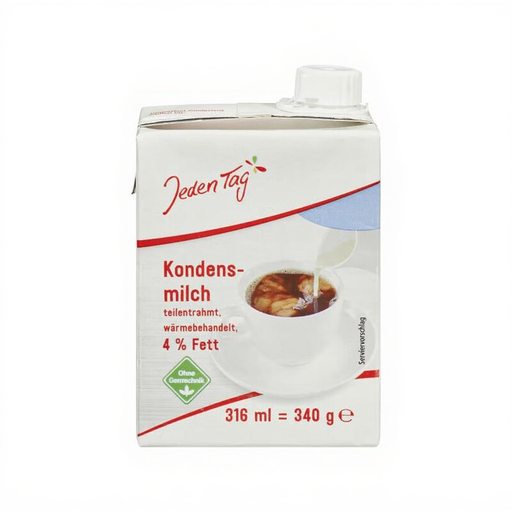
Why this product suits this profile: The 340 g drinks carton is designed for coffee, desserts and cooking, while requiring little storage space when unopened.
The nutritional information states 4% fat and 12 g of sugar per 100 g. This makes it easier to distinguish how it should be used from sweetened condensed milk.
340 g unit, 4% fat, heat-treated and, according to the product details, with a shelf life of at least 36 days when unopened.
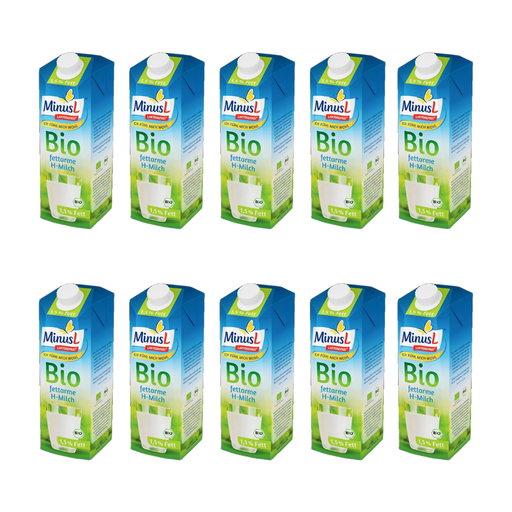
Why this product suits this profile: The ten-pack, with 1 litre per pack, is aimed at households that regularly use lactose-free milk in drinks, muesli or cappuccino.
The product details state 1.5% fat, with milk and lactase listed as ingredients. Allergy and tolerance information should nevertheless be assessed on an individual basis.
10 litres in total, UHT milk format and organic labelling according to the product description.
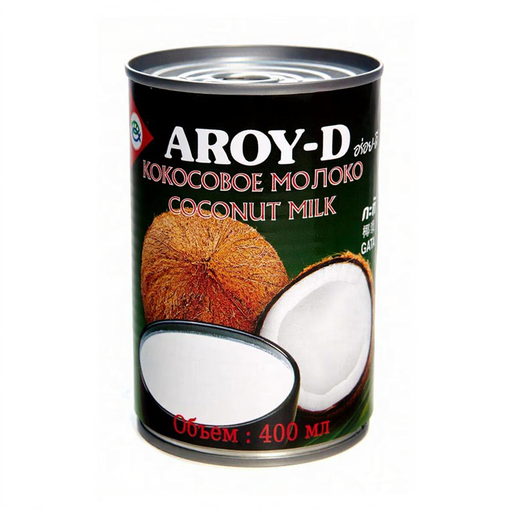
Why this product suits this profile: For Asian cuisine, curries, soups and desserts, a higher coconut fat content can create a different recipe result from lighter coconut milk.
The product page states 19% fat and a 400 ml content. This gives a clearer indication of the consistency than a general description such as “creamy”.
400 ml can, 19 g of fat per 100 g and, according to the product details, no additionally listed thickeners.
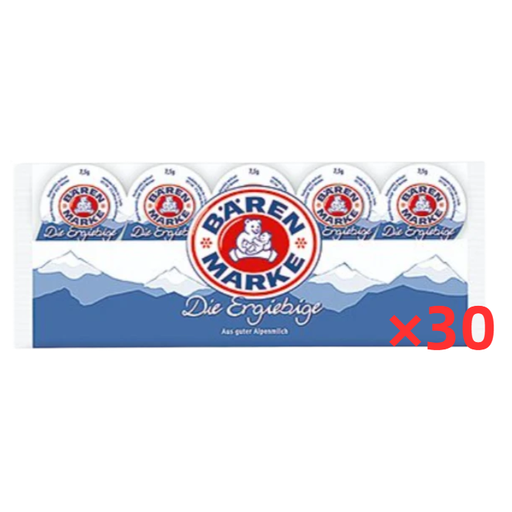
Why this product suits this profile: Individual portions of coffee milk are ideal for offices, guest accommodation and everyday coffee when you prefer convenient 7.5 g portions.
Individual portions reduce the risk of storing a larger opened pack for too long. The fat content is stated as 10%.
Individual 7.5 g portions and, according to the product details, dry storage before opening.
We have put together a complete, regularly updated list of products that fully meet these strict selection criteria and the safety regulations applicable in the EU.
Anyone looking to buy milk alternatives online should also distinguish between oat-, soya- or coconut-based drinks and pure coconut milk intended for cooking. Coconut milk in a tin or carton is not automatically designed as a drink and may contain considerably more fat.
Depending on the packaging, UHT milk, milk powder, condensed milk and long-life coconut milk can be stored unopened at room temperature. The manufacturer’s instructions are decisive. Before buying, compare the quantity, best-before date and storage space required.
Condensed milk is concentrated milk and may be sweetened or unsweetened, depending on the product. Coffee milk is generally sold as an addition for coffee and tea, often with a specified fat content or in individual portions. The ingredients list and nutritional table show whether sugar has been added.
Milk powder can save storage space and is practical for baking, cooking or occasional drinks. UHT milk, on the other hand, can be used without any prior mixing. The more suitable option depends on your consumption, preparation requirements and available storage space.