
Lieferung heute & morgen

Qualitätsgarantie

Willkommens-Angebote freischalten: KOSTENLOSE Lieferung | Bis zu 80 % RABATT | Kostenlose 30-Tage-JoyPlus-Testphase
App herunterladen
Anyone who delves into the world of premium sake will inevitably encounter one name: Dassai. Produced by the Asahi Shuzo brewery in Yamaguchi Prefecture, Dassai represents a modern interpretation of traditional Junmai Daiginjo Sake. However, choosing which Dassai sake to buy can be a challenge given the different varieties. The numbers—23, 39, 45—are more than just labels; they are the key to understanding the character of each sake.
This guide is designed to give you a clear and straightforward overview of the differences. Our goal is to equip you with the information you need to find the perfect Dassai for your palate and planned occasion when you're looking to order Japanese sake online.
Before you make a selection, the following points will help you understand the fundamental characteristics of Dassai sake.
The number in a Dassai sake's name indicates the rice polishing ratio (Seimaibuai). This percentage describes how much of the original rice grain remains after polishing. A lower value means that a larger portion of the outer layers of the rice grain, which contain fats and proteins, has been milled away, leaving behind the pure starch core of the rice.
Choosing the polishing ratio is therefore the most important decision and depends directly on your taste preferences.
Each Dassai sake is suited for different moments and dishes. Consider what you plan to use the sake for.
Dassai sake is offered in various bottle sizes, typically 300 ml and 720 ml. The smaller bottle is great for tasting or for two people to enjoy, while the 720 ml bottle is intended for a larger group or as a staple for enthusiasts.
For storage: Junmai Daiginjo sake is a delicate product. It should always be stored in a cool, dark place, ideally in the refrigerator. Direct sunlight and temperature fluctuations should be avoided to preserve the fine aromas. After opening, the bottle should be kept in the refrigerator and consumed within a few days.
Here you will find a detailed presentation of the three core Dassai varieties to help you make your decision.
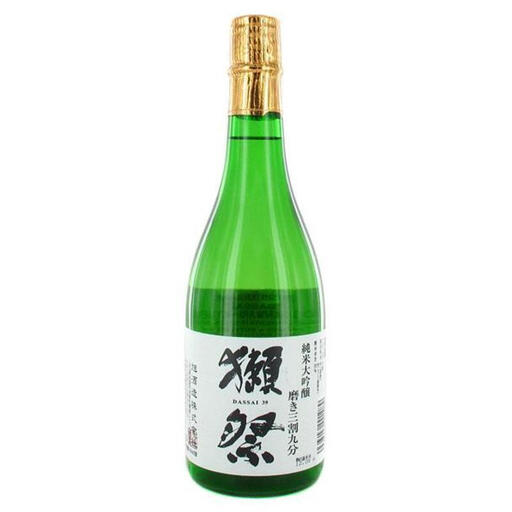
What sets it apart: The Dassai 39 is a prime example of balance and elegance. With a polishing ratio of 39%, it offers remarkable smoothness and a multi-layered aroma profile that has made it popular in sake bars worldwide. It combines an appealing sweetness with a long, satisfying finish.
Benefits:
Who it's for: For connoisseurs seeking a refined yet accessible premium sake that impresses both on its own and with fine cuisine. It is the perfect middle ground between the approachable Dassai 45 and the exclusive Dassai 23.
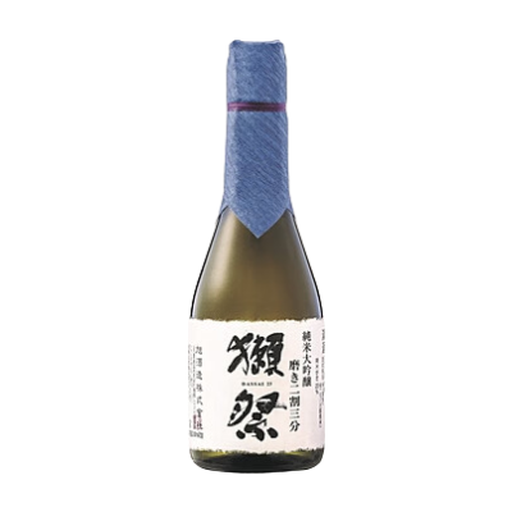
What sets it apart: The Dassai 23 represents the pinnacle of sake production from Asahi Shuzo. The rice is polished down to just 23% of its original size, a process that requires extreme precision. The result is a sake of unparalleled purity and silky texture.
Benefits:
Who it's for: For experienced sake connoisseurs and discerning enthusiasts looking for a sake for special occasions. It is the right choice to experience the summit of Japanese brewing artistry or to make a lasting impression as a gift.
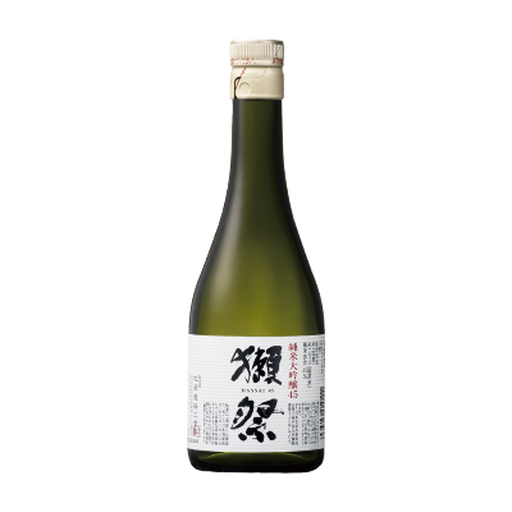
What sets it apart: The Dassai 45 is the ideal introduction to the world of Dassai. With a polishing ratio of 45%, it already offers the brand's characteristic elegance and purity, but in a more accessible form. It impresses with a delicate rice sweetness and a rich, floral aroma.
Benefits:
Who it's for: For newcomers to the world of Junmai Daiginjo sake as well as for enthusiasts looking for a high-quality sake for more everyday enjoyment. It is a reliable companion to a wide range of foods.
The world of Japanese beverages is diverse and fascinating. If you want to expand your repertoire beyond sake or discover other Japanese specialities, you can find more interesting products in our category.
Discover our range of Japanese beer here
1. What do the numbers on Dassai sake (23, 39, 45) mean? The number indicates the rice polishing ratio, which is the percentage of the rice grain that remains for fermentation after polishing. A lower number (e.g., 23) signifies a higher degree of polishing and generally results in a more refined, aromatic, and smoother sake.
2. How should I store Dassai sake correctly? Dassai sake should be stored in a cool, dark place, preferably in the refrigerator. This is especially true after opening. Avoid direct sunlight and high temperatures to maintain its quality and delicate aromas. Opened bottles should be consumed within a few days.
3. Which Dassai sake is suitable for beginners? The Dassai 45 is an excellent choice for those new to the world of premium sake. It offers the characteristic quality and elegance of Dassai in a very accessible and balanced form, without overwhelming the palate. Its clean profile makes it an ideal entry point.