
Lieferung heute & morgen

Qualitätsgarantie

Willkommens-Angebote freischalten: KOSTENLOSE Lieferung | Bis zu 80 % RABATT | Kostenlose 30-Tage-JoyPlus-Testphase
App herunterladen
If you’re looking to buy date products online, you’ll quickly find a wide selection: date syrup, organic date syrup, date bars, muesli mixes, candied dates and date sweets. The product names often sound similar, but they can differ significantly when it comes to ingredients, sugar content, allergens and storage.
To make sure your shopping experience doesn’t end in disappointment, it’s worth checking the packaging information rather than relying solely on marketing claims.
Dates naturally contain sugar. Even a product with no added household sugar can still have a high sugar content. For example, the Chocodate Dark Chocolate No Added Sugar contains 49 g of sugar per 100 g. “No added sugar” here simply means no extra sugar has been added – it doesn’t mean the product is sugar-free.
With date syrup, the nutritional information is equally important. According to the product details, Alnatura Organic Pure Date Syrup contains 64 g of sugar per 100 g. If you’re using syrup to sweeten yoghurt, desserts or drinks, you should therefore measure it just as you would any other liquid sweetener.
An organic certification refers to the origin and processing of specific ingredients – it doesn’t automatically mean the product is suitable for every diet. Similarly, a vegan product isn’t necessarily organic.
According to the product description, Alnatura date syrup is vegan, lactose-free and certified organic under DE-ÖKO-003. However, a breakfast powder made with red dates may contain milk powder, soya, oats or wheat. That’s why checking the full ingredient and allergen list is essential.
In German shops, “red dates” often refer to jujube fruits. These are mainly used in Asian foods, breakfast powders and confectionery. Classic dates, on the other hand, usually come from date palms and are dried, processed into syrup, or combined with chocolate and nuts.
With “candied dates” or jujube products, you should also check whether sugar, maltose, syrup or other sweeteners have been added.
The order of ingredients shows which components dominate by quantity. With a pure date syrup, the product base should be clearly identifiable. According to the information, Alnatura Organic Pure Date Syrup consists of 79% dates and water.
With date bars and date muesli bars, however, you may find grains, glucose syrup, nuts or chocolate. For example, the Alnatura Organic Maple & Date Muesli Bar contains 9% dried dates and 11% maple syrup. This makes it a convenient snack, but not a product made exclusively from dates.
Always compare products using the values per 100 g, and also consider the actual portion size. Individual portions make it easier to keep track, but they don’t tell you the energy or sugar content of the whole pack.
With breakfast powders, the information is especially important: several products from the Family Whole Red Dates range contain 20 sachets of 35 g each, plus additional glucose sachets. This extra can be used separately or added for sweetness. If you prefer less sweetness, you don’t have to use it all.
In Germany, allergens that require labelling must be highlighted in the ingredient list. These include gluten, soya, milk, almonds and sesame. With stuffed dates and date chocolate, warnings such as “May contain traces of peanuts” are also relevant.
Pay attention to storage too:

Why this product fits the profile: This syrup can be used in small amounts for yoghurt, desserts, drinks or savoury dishes, and requires no lengthy preparation.
The ingredient base is clearly stated as 79% dates and water. Organic status, vegan suitability and allergen data are also provided.
Certified organic under DE-ÖKO-003; vegan; 180 ml tube; according to the information, refrigerate after opening and use within four weeks.
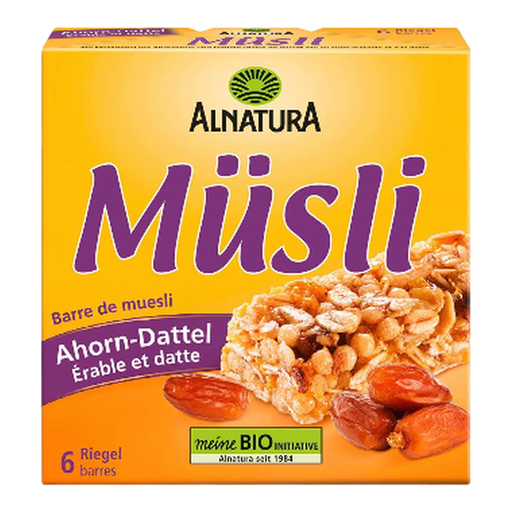
Why this product fits the profile: The individually wrapped bars are ideal for work, days out and the store cupboard, while the ingredient and allergen information allows for targeted selection.
The date content is stated as 9%. This allows you to realistically assess what the date muesli bar actually is, rather than assuming it’s a pure date recipe.
Six individual bars of 25 g each; ingredients from organic farming are labelled; stated as vegan; contains gluten-containing cereals.
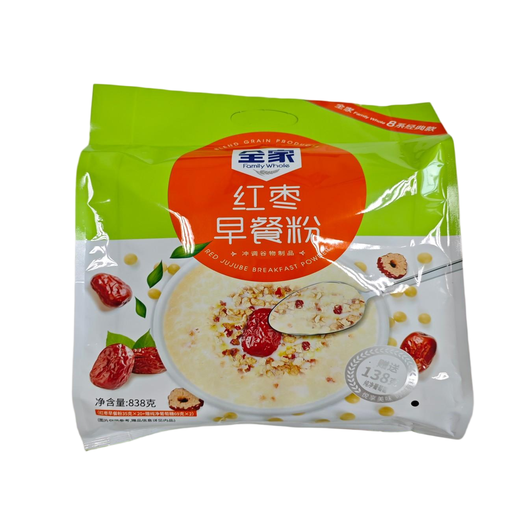
Why this product fits the profile: 20 sachets of 35 g each allow for quick preparation with around 175 ml of hot water, making it ideal for regular breakfast routines.
The composition lists, among other things, 18% soya beans, 12.5% cornflakes and 4.5% red dates. This makes it clear that it’s a cereal mix rather than a pure date breakfast powder.
20 portioned sachets; preparation with hot water; additional glucose sachets; contains oats, soya and milk.
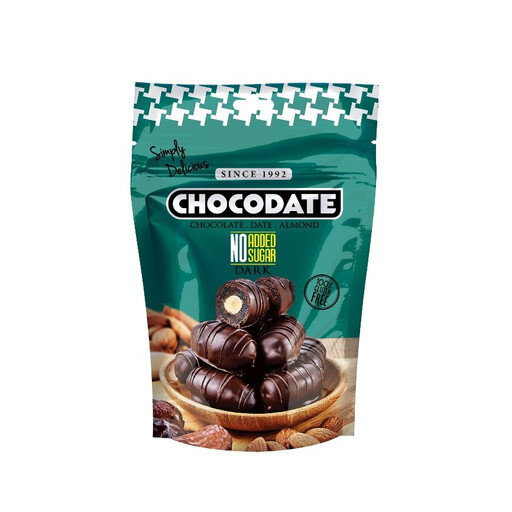
Why this product fits the profile: The combination of dates, dark chocolate and almonds is aimed at those looking for a portioned treat rather than a neutral sweetener.
The “no added sugar” claim is backed up by the nutritional information: the product still contains 49 g of sugar per 100 g and is not sugar-free.
67% dates according to the ingredient list; minimum 60% cocoa solids; contains almonds, milk and soya; possible traces of peanuts.
We’ve put together a full, regularly updated list of products that fully meet these strict selection criteria and the safety regulations in force in the EU.
Depending on how you plan to use them, other varieties may also be of interest:
No. Plain dates and the Alnatura date syrup mentioned are stated as vegan according to the product information. Date chocolate, on the other hand, may contain milk powder, milk fat or dairy components. The ingredient list and vegan labelling are what matter.
That depends on the product type. The Alnatura date syrup should be refrigerated after opening and used within four weeks. Dry date snacks and jujube products are usually stored in a dry, well-sealed container. The specific best-before date and the manufacturer’s instructions on the packaging take priority.
According to the product description, date syrup can be used for baking, desserts, yoghurt, drinks and savoury dishes. Date bars, candied dates and date chocolate, on the other hand, are more like ready-to-eat snacks. To choose the right product, first decide whether you need an ingredient to measure out or a ready-to-eat portion.