
Lieferung heute & morgen

Qualitätsgarantie

Willkommens-Angebote freischalten: KOSTENLOSE Lieferung | Bis zu 80 % RABATT | Kostenlose 30-Tage-JoyPlus-Testphase
App herunterladen
Deciding to buy dim sum often raises the question of which products offer an authentic taste experience at home. For frozen dim sum in particular, quality can vary significantly, depending on factors like ingredients, dough texture, and filling-to-wrapper ratio. This article provides an objective analysis of selection criteria and presents a curated list of products chosen for their specifications and practical value to the consumer.
An informed purchasing decision is based on analysing objective product features. The following criteria are essential for evaluating frozen Chinese dumplings.
The composition of the filling is the core feature of any dim sum. A clear and transparent ingredient list is essential. Pay attention to the percentage of the main ingredient (e.g., pork, beef, shrimp) and the types of seasonings used. Products that list traditional ingredients like ginger, spring onions, or bamboo shoots often indicate a classic flavour profile. Allergen information, in compliance with EU regulations (FIC), must be clearly displayed.
The dough is just as important as the filling and varies significantly depending on the type of dim sum:
Nutritional information per 100 grams (energy, fat, carbohydrates, protein, salt) allows for an objective comparison between different products. Additionally, the net weight (e.g., 400g, 780g, 1kg) is a key factor for meal planning, whether for a single serving or for feeding a group.
Clear and simple preparation instructions are an indicator of a user-friendly product. The most common and gentlest method is steaming, as it preserves the wrapper's texture and the filling's juiciness. The specified cooking time should be precise to ensure optimal results.
The following selection is based on the criteria mentioned above and the product specifications provided by the manufacturer.
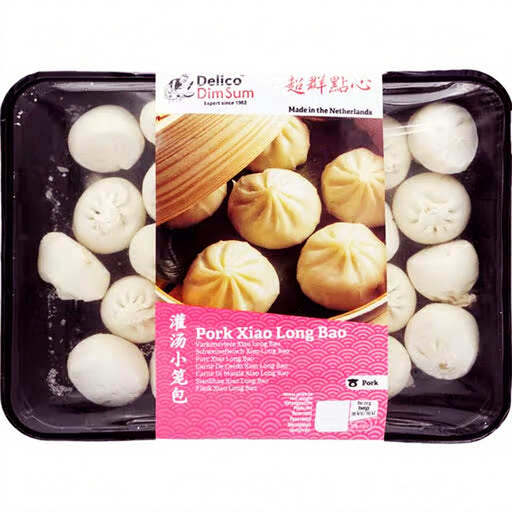
Why we recommend this product These Xiaolong Bao stand out for their traditional design as soup dumplings. According to the manufacturer, they contain a rich, savoury broth that liquefies during steaming. The wrapper is designed to be thin. The large 780g pack offers a generous quantity, suitable for multiple meals or for entertaining guests.
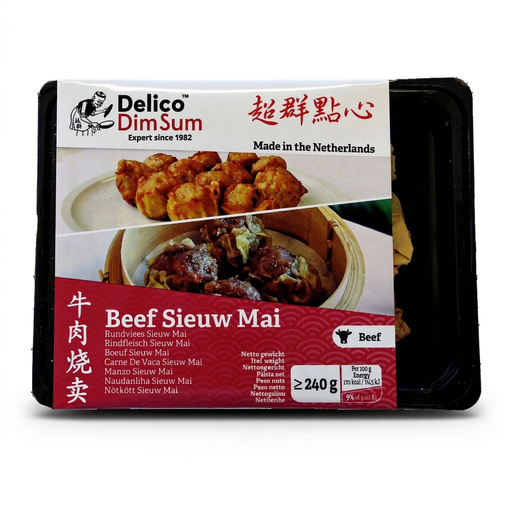
Why we recommend this product These Beef Siu Mai are modelled on the classic Cantonese style. According to the manufacturer, the filling consists primarily of beef, held in a thin, open-topped wrapper. The medium 400g pack size is practical for smaller households or as part of a larger dim sum selection.
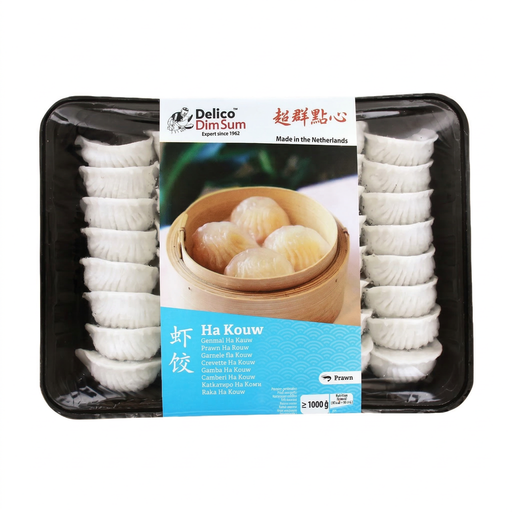
Why we recommend this product These shrimp dumplings, often known as Har Gow, are based on a recipe with a high shrimp content of 60% in the filling, as declared by the manufacturer. The wrapper, made from wheat and tapioca starch, is designed to achieve the typical translucent appearance after steaming. The 1kg package is aimed at consumers with a high demand.
The products featured here are just a sample of the available range. If you want to order dumplings online and explore a wider variety of Asian specialities, you can find more frozen delicacies in our Leckerbox category, which offer a convenient and tasty addition to any meal plan.
1. How do you properly prepare frozen dim sum? The recommended method is steaming. Line a steamer basket with parchment paper or cabbage leaves to prevent sticking. Place the frozen dim sum in the basket with some space between them. Steam them over boiling water for the time indicated on the package (usually 8–12 minutes), until the wrapper is cooked through and the filling is hot.
2. What is the difference between dim sum and dumplings? Dumplings is an umbrella term for filled pockets of dough from various culinary cultures around the world. Dim Sum is a specific term from China's Cantonese cuisine, referring to a meal composed of a wide variety of small dishes. Many of these are different types of dumplings (like Har Gow and Siu Mai), but it can also include other foods like steamed ribs or spring rolls.
3. Is it safe to order Chinese dumplings online? Yes, ordering frozen foods like Chinese dumplings online is a common practice with specialised retailers. They ensure an unbroken cold chain using special insulated packaging and cooling agents, guaranteeing that the products maintain the required temperature of -18°C or colder upon delivery. Be sure to store the goods in your freezer immediately upon receipt.