
Lieferung heute & morgen

Qualitätsgarantie

Willkommens-Angebote freischalten: KOSTENLOSE Lieferung | Bis zu 80 % RABATT | Kostenlose 30-Tage-JoyPlus-Testphase
App herunterladen
As a Joybuy Product Recommendation Officer, I see daily how easy it is to be misled when buying DIY supplies online. A glossy finish or a massive set can seem promising, but the reality after just a few uses is often disappointing. The goal of this guide is to provide you with objective criteria to ensure your next purchase for your home, garden, or workshop is an informed decision.
Before we dive into the key features, let's look at two common problems that often lead to disappointment:
tool set, sellers entice buyers with a high number of pieces. Upon closer inspection, however, many of the included parts are of exotic sizes or such poor quality that they are unsuitable for common household repairs. You're paying for filler, not function.To avoid these pitfalls, focus on verifiable facts instead of marketing promises. Three parameters are crucial here.
The material composition is the heart of any tool. There are clear differences you should know:
A comprehensive DIY range is only useful if the components fit. This applies to hardware and fasteners as well as to tools.
The surface of a tool is not just for looks. A galvanized surface on nails or screws provides effective rust protection and is an important feature for outdoor projects or in damp rooms. For hand tools, a clean chrome plating or a phosphate coating also protects against corrosion. However, ensure the finish is clean and free of sharp edges or burrs, which indicate poor manufacturing quality.
Based on these objective criteria, we have selected some products from our range that suit different user profiles.
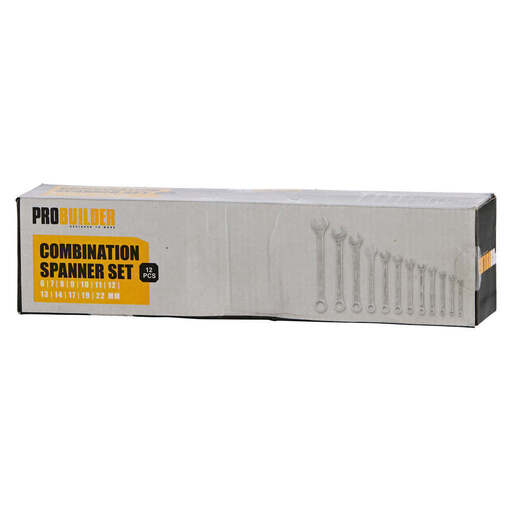
Why This Fits Their Persona: Ideal for those who need a solid basic kit for occasional repairs on furniture, bicycles, or around the house without a large budget.
The set avoids the "comprehensive but useless" trap by focusing on 12 of the most common sizes (6-22 mm). The material is clearly declared as carbon steel, which sets honest expectations for general applications.
Covers a wide range of standard sizes. Combination of open-end and box-end wrench for flexible use.
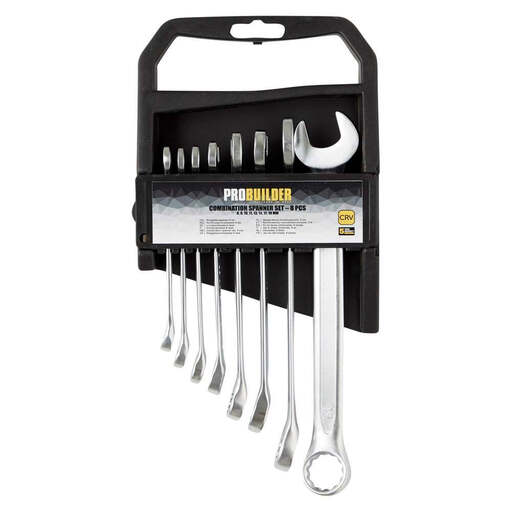
Why This Fits Their Persona: For ambitious DIYers who regularly work on more demanding projects like car repairs or renovations and need tools that are reliable even under high torque.
This set directly addresses the material trap. It is made of Chrome Vanadium Steel (CrV), a demonstrably more resilient material. The focus on 8 essential sizes ensures that quality takes precedence over quantity.
High strength and resistance to deformation due to CrV steel. 12-point profile on the box end for optimal power transmission.

Why This Fits Their Persona: For home and apartment owners looking to modernise their bathroom with a functional, space-saving solution. This `bathroom accessory` combines design with practical utility.
Instead of relying on vague quality promises, this product provides clear specifications: 6 mm toughened safety glass (TSG), aluminium profiles, and die-cast zinc hinges. The nano-coating is a concrete, verifiable advantage for cleaning.
Pivots 180° on both sides and folds against the wall, ideal for small bathrooms. Lift-and-lower mechanism for easy opening and a tight seal.
We have compiled a complete, up-to-date list of products that fully meet these strict selection criteria and German safety regulations.
1. What should you look for in the material quality of tool sets? Pay attention to the exact material designation. For high-stress tools like wrenches, Chrome Vanadium Steel (CrV) is a great choice. For general household use, high-quality carbon steel can also be sufficient. Be wary of offers that don't provide specific details about the steel used.
2. Are large tool sets always the better choice? Not necessarily. A smaller set with high-quality tools in the most common sizes is often more useful than a huge set with many low-quality filler pieces. Check the contents for the sizes and tool types relevant to you before being swayed by the sheer number of pieces.
3. How do I properly store tools and fasteners to prevent corrosion? Always store tools and hardware in a dry place. Briefly wipe tools with a dry cloth after use to remove moisture. Consumables like nails or screws should be kept in their original packaging in a dry location to maintain their integrity (e.g., for collated nails) and corrosion protection.