
Lieferung heute & morgen

Qualitätsgarantie

Willkommens-Angebote freischalten: KOSTENLOSE Lieferung | Bis zu 80 % RABATT | Kostenlose 30-Tage-JoyPlus-Testphase
App herunterladen
If you’re looking to buy dried fruit, you’ll find plenty of choice online, from dried mangoes and strawberries to dates, sultanas, dried coconut, longan, jackfruit and nuts. But products can vary considerably in their ingredients, sugar content, processing, pack size and intended use.
So an attractive pack or the word ‘natural’ isn’t enough to help you choose. What matters is the ingredients list and whether the product is right for how you plan to use it.
Many dried fruits contain added sugar, glucose syrup or maltose syrup. This is common in candied fruit, fruit snacks and some dried mangoes and strawberries. Check the ingredients list to see whether the product contains fruit alone or has other sweeteners added.
The nutrition table matters too. Compare the sugar content per 100 g, rather than just the serving size. Small serving sizes can make it harder to compare products accurately.
Depending on the product, fruit may be dried, freeze-dried, candied or processed with oil. This affects both the texture and how you can use it:
When buying products containing dried fruit and nuts, look out for sulphites, sulphur dioxide, peanuts, tree nuts and sesame. Some products contain preservatives or colourings. Check the packaging for this information, as recipes and labelling can change.
The shorter the ingredients list, the easier it is to work out what’s in the product. For dried mangoes, the stated fruit content is particularly relevant. Yan Jin Pu Zi Large Dried Mango Slices has a stated mango content of 83%; other listed ingredients include sugar, glucose, maltose, acidity regulators and sulphites.
The fruit content can vary in dried strawberries too. Be&Cheery Dried Strawberry contains at least 65% strawberries and also lists sugar, maltose syrup, acidity regulators, a preservative, a colour and sulphites.
Comparing values per 100 g gives you a consistent basis for assessing products. Check the:
Higher energy values are not unusual in nuts and dried fruit. According to the product information, for example, Seeberger Unsalted Roasted Cashew Kernels contain 616 kcal, 48 g fat and 20 g protein per 100 g. The cashews are roasted without oil, and the ingredients list contains roasted cashews only.
A 500 g pack may be handy if you regularly bake or make tea and desserts, while 50–100 g packs are better suited to taking out and about. Check the storage instructions too. Many products should be kept in a cool, dry place away from direct sunlight. Once opened, seal the pack tightly to help prevent moisture getting in and affecting the quality.
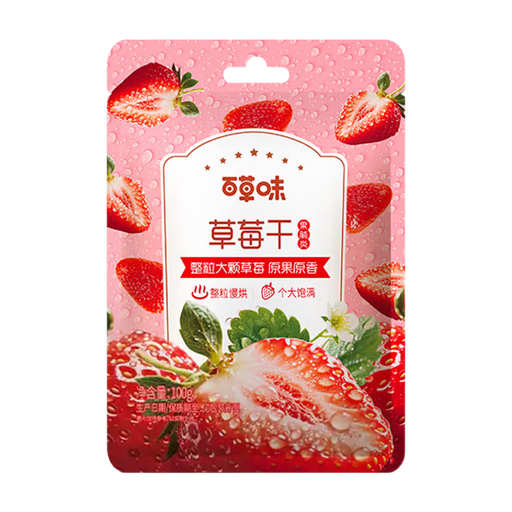
Why this product suits this profile: The 100 g pack is a manageable introduction to Asian snacks and is ideal for trying or enjoying with a cup of tea.
The stated strawberry content of at least 65%, along with the sugar, syrup and additives, is clearly listed. This makes it easier to assess the sweet recipe before buying.
Ready to eat, in a 100 g pack, with a fruity texture and specific nutritional information per 100 g.

Why this product suits this profile: The 150 g pack is for shoppers who prefer clearly labelled nuts with no added salt or oil.
The ingredients list contains roasted cashews only. The tree nut warning is important when checking for allergens.
Unsalted, roasted without oil, with a 150 g pack size and 20 g protein per 100 g according to the product information.
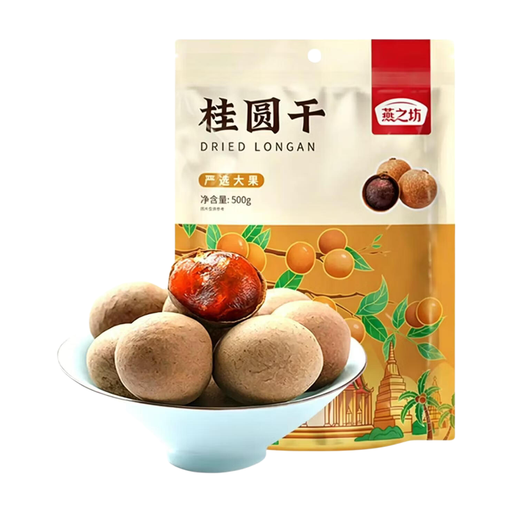
Why this product suits this profile: The 500 g pack is designed for regular use in tea, soups, porridge and desserts, or as a snack.
According to the product information, the ingredients list contains longan only. That means there’s no need to check for hidden syrups or flavourings, which are often found in mixed products.
500 g pack, ready to eat and suitable for infusions as well as hot dishes.
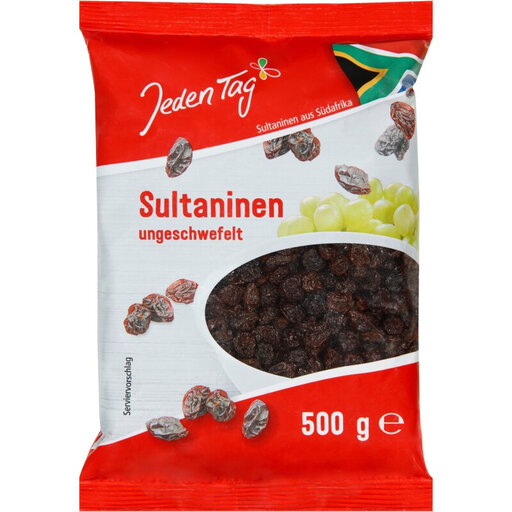
Why this product suits this profile: Sultanas are versatile and can be added to muesli, yoghurt, cakes, bread and desserts.
The ingredients list contains sultanas and sunflower oil. This makes it easy to distinguish from sweetened or seasoned fruit mixes.
500 g pack, versatile and, according to the product information, with none of the commonly listed major allergens declared.
We’ve put together a complete, regularly updated list of products that meet these strict selection criteria and the safety regulations in force across the EU.
If you’re looking to buy fruit snacks online, you could also try dried coconut, dried jackfruit, prunes or dates, depending on your taste. According to the product information, Dadels Zohra Dates contain dates only and come in a 1 kg pack. For a tropical-style snack, Vinamit Jackfruit Snack in Pieces is worth considering; it contains 98% jackfruit and vegetable oil.
When choosing dried coconut, check for added sugar and sulphites. Philippine Brand Young Dried Coconut lists coconut, sugar and sodium metabisulphite. Dried longan or freeze-dried lemon slices are suitable for tea. The latter aren’t a conventional fruit snack, though: they’re steeped in hot water and, according to the product information, contain rock sugar or granulated sugar.
Depending on the recipe, you can use sultanas, dates, dried prunes, apricots and dried longan in dough, muesli or desserts. Check beforehand whether the fruit has already been sweetened or seasoned.
Keep the pack in a cool, dry place away from direct sunlight. Once opened, seal it tightly. If the manufacturer gives specific storage instructions, follow the guidance on the packaging.
The best-before date is shown on the relevant packaging. How well the fruit keeps after opening also depends on moisture, temperature and how well the pack is sealed. If the fruit smells or tastes unusual, don’t eat it.