
Lieferung heute & morgen

Qualitätsgarantie

Willkommens-Angebote freischalten: KOSTENLOSE Lieferung | Bis zu 80 % RABATT | Kostenlose 30-Tage-JoyPlus-Testphase
App herunterladen
Dried mango is practical, long-lasting and ideal as a fruity snack for travel, the office or home. However, dried mangoes can vary considerably in sweetness, bite, ingredient list and pack size. If you only pay attention to the image or terms such as “tropical” and “natural”, you may easily choose a product that does not suit your taste.
Three common buying misconceptions are particularly important:
The ingredients list shows whether you are buying a simple fruit preparation or a more heavily sweetened mango snack. For the clearest possible fruit flavour, mango should be listed first. A high declared percentage is helpful, but it is not the only indication of quality.
If you are looking for dried mango with no added sugar, look specifically for wording such as “no added sugar” and check the nutrition table. According to the product details, Seeberger Soft Dried Mango Slices 100 g contains mango, potato starch and sodium metabisulphite; sugar is not listed as an ingredient. Nevertheless, the sugar content is 54 g per 100 g, as some of it may come from the fruit itself.
Other products are explicitly sweetened. According to the product details, PHILIPPINE BRAND Dried Mango 100 g contains 74.99% mango and 25% sugar. Jia Jian Cheng Chu Philippine Style Dried Mangoes 70 g has a mango content of 90%, as well as sugar and other ingredients.
Soft dried mango can be eaten straight from the pack and is practical for breaks, lunchboxes or your desk. Longer strips usually provide a classic, chewy bite. Smaller pieces or sticks, on the other hand, are ideal for portioned snacking.
Look out for terms such as “soft”, “chewy”, “tender” or “slices”. These descriptions indicate the expected texture, but they do not replace checking the ingredients. After opening, the pack should be resealed securely. Depending on the manufacturer’s instructions, cool storage may be required; for example, Tuan Dat Mango Dried should be stored at 2 to 7 °C after opening and consumed within ten days.
Not every dried mango tastes exclusively sweet. Spicy mango with chilli combines fruity sweetness with spices and may also contain salt or acidity regulators. OHLA Dried Chili Mango 200 g lists mango, sugar, chilli and sodium metabisulphite as ingredients. According to the product description, it contains 334 kcal and 84.33 g of sugar per 100 g.
Sulphites, or sulphur dioxide, require particular attention if you have a known intolerance. They are listed, among others, in products from Seeberger, PHILIPPINE BRAND, Tuan Dat and several Jia-Jian-Cheng-Chu variants. Nut mixes may also contain additional allergens: according to the product details, Seeberger Cashew & Mango Mix contains cashews and may contain other nuts.
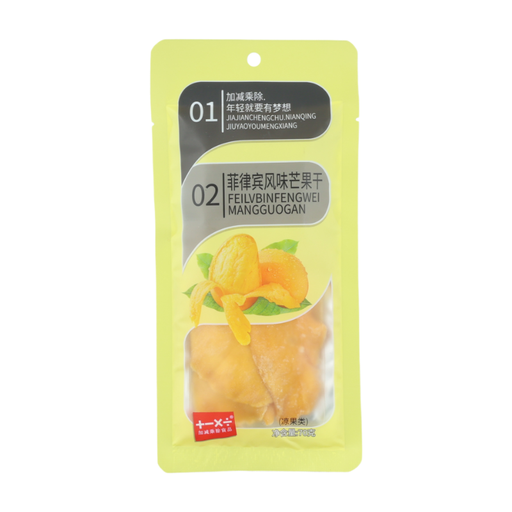
Why this product suits this profile: The 70 g pack is a manageable size for trying Philippine-inspired dried mango pieces with a soft, chewy bite.
The mango content of 90% is stated in the product details. Sugar, acidity regulators and sulphites are also listed transparently.
70 g net quantity, ready to eat and, according to the product details, made without added fat and suitable for eating straight away.

Why this product suits this profile: For shoppers who prefer soft mango slices and a fruit snack with no added sugar listed.
The ingredients list names mango, potato starch and sodium metabisulphite. This makes it possible to verify that sugar is not used as an ingredient.
100 g pack size, soft mango slices and 326 kcal per 100 g according to the product details.
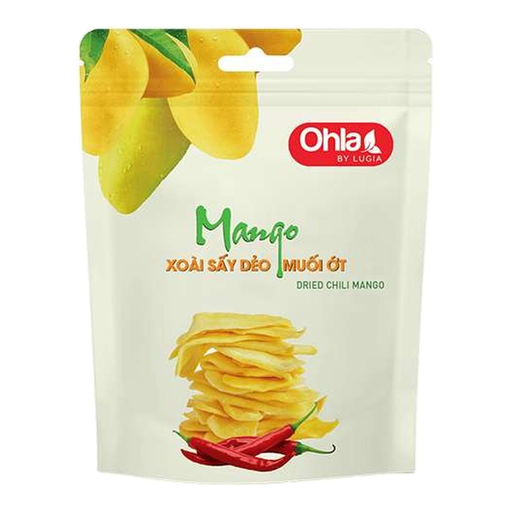
Why this product suits this profile: Ideal for fans of sweet-and-spicy combinations and households looking for a larger pack to share or keep in the cupboard.
The heat is not just a marketing claim: chilli is listed among the ingredients. Sugar and sodium metabisulphite are also specified.
200 g net quantity, ready to eat and, according to the product description, free from artificial flavourings or preservatives; the ingredients list is decisive.
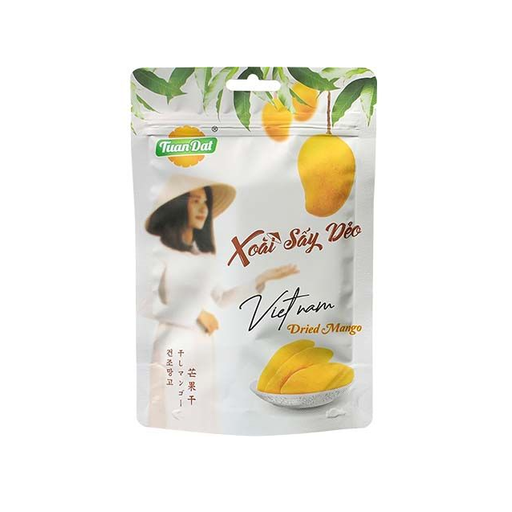
Why this product suits this profile: A fruit-based option for vegans and vegetarians looking for a mild, soft mango snack without milk or nut ingredients.
The product details state 95% mango, 5% sugar and sulphur dioxide. This makes the sweetening and preservative clear before purchase.
100 g pack, soft texture and, according to the product details, suitable for vegan and vegetarian diets.
We have put together a complete, regularly updated list of products that fully meet these strict selection criteria and the safety regulations applicable in the EU.
No. Even without added sugar, dried mango can have a high sugar content per 100 g due to its naturally occurring fruit sugars. Both the ingredients list and the nutrition table are important. You should also compare portion sizes, as 100 g of dried fruit can quickly amount to more than a typical snack portion.
This depends on the individual product. After opening, the pack should be sealed tightly and stored in a cool or dry place according to the manufacturer’s instructions. With products that have a soft texture, moisture can alter the consistency. The specific best-before date and instructions such as “consume within a few days of opening” take priority.
Many products consist exclusively of mango, sugar, acidity regulators and preservatives and may therefore be suitable for a vegan diet according to their ingredients list. However, a definitive assessment requires the complete labelling on the individual pack. Also look out for possible cross-contamination warnings and, if in doubt, check the product page or the manufacturer’s information.