
Lieferung heute & morgen

Qualitätsgarantie

Willkommens-Angebote freischalten: KOSTENLOSE Lieferung | Bis zu 80 % RABATT | Kostenlose 30-Tage-JoyPlus-Testphase
App herunterladen
Dried Mu-Err mushrooms are a practical store-cupboard ingredient in many Asian recipes. Once soaked, they develop a firm, slightly crunchy texture and absorb the flavours of broths, sauces and spices. In Germany, they are sold under several names: dried wood ear mushrooms, Chinese wood ear mushrooms, Cloud Ear, Black Fungus or simply dried black mushrooms.
At first glance, choosing between them seems straightforward. However, some common purchasing decisions can lead to unnecessary costs or unsuitable ingredients. By checking the shape, weight, origin and preparation instructions before buying, you can compare products more effectively for wok dishes, soups, hot pot, salads and vegetarian recipes.
Dried mushrooms increase significantly in volume when soaked. A 100 g pack can therefore be enough for several dishes. For occasional use at home, a small pack is usually more practical than a kilogram. Restaurants, commercial kitchens and households that use them regularly, on the other hand, may benefit from larger packs.
When comparing prices, do not look only at the total price. Check the price per 100 g as well. This makes it easier to compare 100 g Mu Err mushrooms, 150 g packs and bulk quantities objectively.
After soaking, whole wood ear mushrooms usually need to be checked, have any hard stem bases removed and, if necessary, be cut into smaller pieces. Pre-sliced varieties save preparation time and are ideal for quick wok dishes, soups or noodle dishes.
The cut also affects how the mushrooms can be used. Thin strips are easy to portion, while whole mushrooms are better suited to salads, fillings or dishes where a more substantial mushroom texture is preferred.
Descriptions such as ‘naturally dried’, ‘traditional’ or ‘premium’ reveal little on their own about a product’s suitability. Instead, check the ingredients list, net weight, country of origin, packaging and soaking instructions.
Important: Dried Mu-Err mushrooms should not be eaten dry. After soaking, they must be washed thoroughly and cooked all the way through. If you find sandy residue or hard stem pieces, additional cleaning is required.
A clear ingredients list containing 100% dried black or wood ear mushrooms makes comparison easier. Scientific names such as Auricularia auricula-judae or Auricularia polytricha may appear depending on the product. In retail, ‘Black Fungus’, ‘Wood Ear Mushroom’ and ‘wood ear mushrooms’ are sometimes used for related varieties.
If you are looking for a vegan product, check the packaging information as well. Pure dried mushrooms are generally a suitable ingredient for vegan dishes, but any information about possible cross-contamination will be shown on the relevant label.
For home use, sizes between 80 g and 180 g are easy to manage. A 1 kg pack is more suitable for frequent users, restaurants or commercial kitchens. Once opened, the mushrooms should be stored somewhere dry and dark, ideally in an airtight container. Moisture can affect the shelf life and quality of dried goods.
Also check whether the mushrooms are whole or already sliced. Sliced mushrooms can save time if you cook with them frequently, while whole mushrooms give you greater flexibility when portioning.
Instructions vary depending on the thickness and cut. Soaking in water for 20 to 60 minutes is common, although some whole or thicker mushrooms may need longer. Cold water is suitable for gentle rehydration, while warm water can speed up the process. The instructions on the packaging should always take precedence.
After soaking:
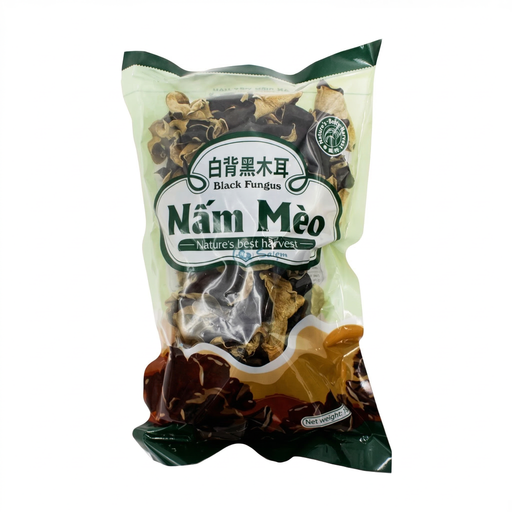
Why this product suits this profile: The 100 g pack offers a manageable introduction for home cooks who want to try dried mushrooms in wok dishes and soups in smaller quantities.
The net weight is clearly stated. The product description lists a single ingredient: dried Black Fungus, also known as Auricularia.
100 g contents, versatile for salads, soups, stir-fries and fillings; country of origin: China.
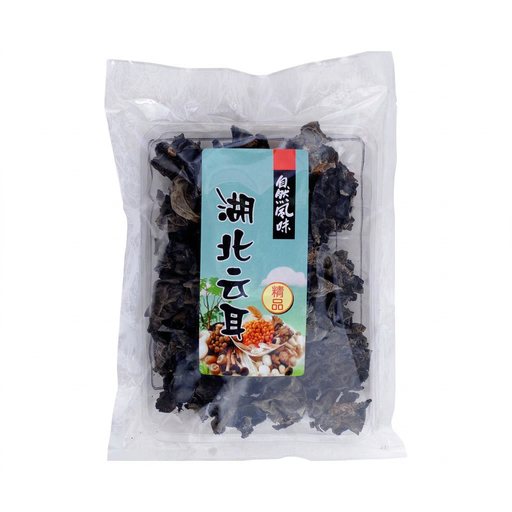
Why this product suits this profile: The product information points to a thinner Cloud Ear variety from Hubei, intended for Chinese wok dishes, soups and cold dishes.
The origin, mushroom variety, quantity and soaking instructions are clearly stated in the product information, making it easier to check the details before buying.
100 g dried Cloud Ear mushrooms from Hubei; according to the product description, they are intended to be soaked, washed and then cooked.
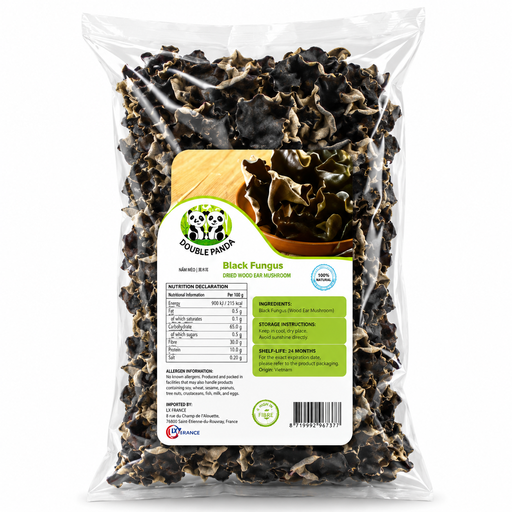
Why this product suits this profile: The 1 kg pack is aimed at frequent users, professional kitchens and restaurants that regularly need Asian dried mushrooms.
The large quantity is clearly stated. This allows you to check in advance whether the pack size matches your actual consumption and available storage space.
Whole dried wood ear mushrooms from Vietnam; suitable for soups, wok dishes, hot pot, salads, noodles and vegan recipes.
We have put together a complete, regularly updated list of products that fully meet these strict selection criteria and the safety regulations applicable in the EU.
Mu-Err mushrooms work well in many dishes because they have a mild flavour and mainly add texture:
Depending on their thickness and cut, around 20 to 60 minutes is usual. Whole or thicker mushrooms may take longer. After soaking, they should be soft and fully rehydrated. The specific manufacturer's instructions on the packaging should always take precedence.
No. Dried mushrooms must first be rehydrated, cleaned thoroughly and cooked all the way through. Hard stem bases and any unusual residue should be removed.
Store dried mushrooms somewhere cool and dry, protected from direct sunlight. Seal the pack carefully or use an airtight container. Soaked mushrooms should be kept in the fridge and used promptly.