
Lieferung heute & morgen

Qualitätsgarantie

Willkommens-Angebote freischalten: KOSTENLOSE Lieferung | Bis zu 80 % RABATT | Kostenlose 30-Tage-JoyPlus-Testphase
App herunterladen
Anyone looking to buy dried seaweed will find a wide range of products online: whole kelp leaves for broths, sliced wakame for miso soup, kombu for hotpots and seasoned, ready-to-eat snacks. Packaging often highlights umami flavour, minerals or particularly easy preparation. However, the most important factors when choosing the right product are the ingredients list, intended use, salt content and preparation required.
Many products need to be rinsed, soaked and then cooked before eating. This applies, for example, to kelp leaves, dashima and many wakame products. By contrast, wording such as “ready to eat” means that, according to the product information, the product can be eaten straight from the packet.
If you are buying dried seaweed for salads, you should therefore check the preparation instructions. A product that first needs to be soaked for 20 to 30 minutes and then cooked is not suitable for a quick snack or an impromptu side dish.
Dried sea vegetables such as wakame are lightweight and swell when soaked. A small packet of wakame may therefore be enough for several servings of soup. Conversely, families and frequent users often need larger bags weighing 150 to 250 grams.
Do not compare only the packet price. Also consider net weight, how much the seaweed expands and how you plan to use it. A small packet is often enough for occasional miso soup; for regular broths, salads and hotpots, a larger format may be more practical.
Seaweed naturally contains various minerals. Some product pages also mention iodine. The actual content can vary depending on the type of seaweed, its origin, processing and serving size. Packaging information should therefore not be interpreted as general nutritional advice.
Especially if you eat seaweed regularly, it is sensible to check the nutrition table and serving size. Products with added salt or marinade can have a significantly higher salt content than unseasoned dried seaweed.
For a plain dried product, the ingredients list should be as straightforward as possible. Examples from the selection include products listing “Dried kelp”, “Dried wakame” or “Dried seaweed” as the only ingredient. Seasoned snacks often contain oil, salt, soy sauce, chilli, acidity regulators or preservatives.
Also check the declared allergens. Some seasoned products contain soya beans, wheat or sesame. Products processed in an environment where fish or shellfish are present may also carry a corresponding may-contain-traces statement.
The nutritional information for the products on offer shows clear differences in salt content. Unseasoned dried seaweed may already have a high value due to natural or added salts. Marinated snacks also often contain seasoning sauce or salt.
As a general storage rule: keep cool, dry and protected from moisture. After opening, the packet should be sealed tightly. Some marinated products recommend refrigerated storage after opening. The specific information on the packaging takes precedence.
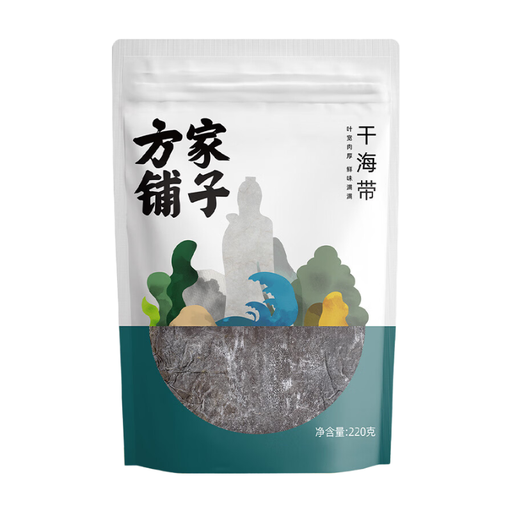
Why this product suits this profile: The 220 g packet is ideal for shoppers who want to use dried seaweed regularly in soups, stews or broths.
The product information clearly states: rinse, soak and then cook. This makes the difference between this product and a ready-made snack clear.
220 g net quantity, 1.4 g fat and 12.0 g protein per 100 g according to the product information; versatile for broths and braised dishes.
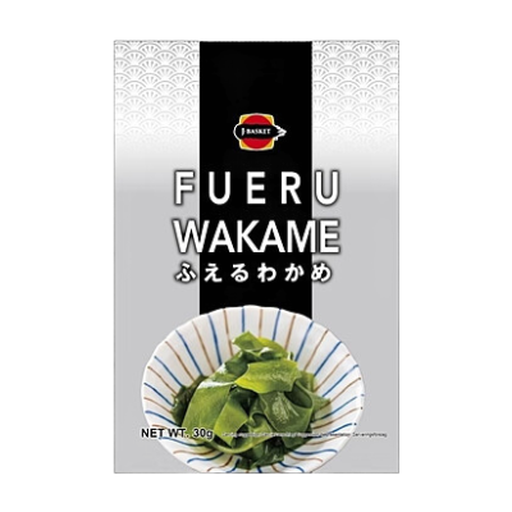
Why this product suits this profile: The small packet is designed for Japanese dishes such as miso soup, salads and side dishes, and can be used portion by portion.
The instructions describe rehydration and recommend using the product soon after opening.
30 g net quantity, a single ingredient, “Seaweed”, according to the product information, and intended use in soup, salad and as a garnish.
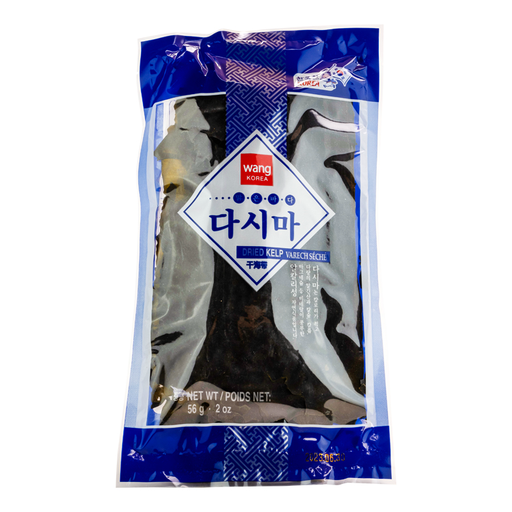
Why this product suits this profile: Dashima is intended for Korean broths, soups and stews, making it a good choice for kitchens where stock is prepared regularly.
The preparation instructions specify rinsing, soaking for 20 to 30 minutes and simmering for around ten minutes to make the broth.
56 g packet size, ingredient Laminaria japonica and a specific use for Korean broth.
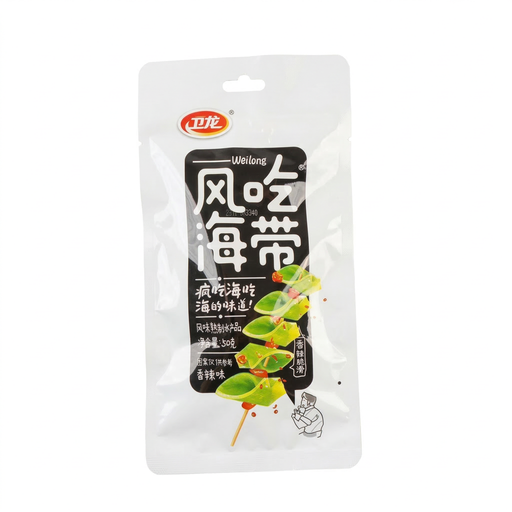
Why this product suits this profile: According to the product information, the seasoned kelp strips are ready to eat and intended for on-the-go enjoyment or a quick snack.
The “Ready to eat” statement clearly distinguishes this snack from dried seaweed intended for soups and salads. The ingredients list also indicates seasoning and preservatives.
50 g packet, ready-to-eat kelp strips and, according to the nutritional information, 3.0 g of salt per 100 g.
We have put together a complete, regularly updated list of products that fully meet these strict selection criteria and the safety regulations applicable in the EU.
For seaweed for miso soup, a few grams of dried wakame are often enough. Rinse the pieces with cold water and soak them for around five to ten minutes, depending on the product information. Then drain thoroughly and add them to the soup.
Kombu and dashima are usually used as a base for broths. After soaking, they can be heated in water. For dashima, the product information recommends removing the seaweed from the broth after approximately ten minutes, before adding any other ingredients. The instructions on the relevant packet should be followed.
Dry products should be transferred to an airtight container once the original packet has been opened. Moisture can alter the texture and shorten shelf life. Marinated or moist seaweed snacks are often stored in the fridge after opening and should be used promptly.
The best-before date is shown on the packaging and varies by product. Unopened dried seaweed should be stored in a dry, cool place away from direct sunlight. After opening, an airtight container is recommended. Visible moisture, an unusual smell or a noticeably changed colour are signs that it should no longer be used.
For classic dried wakame, the answer is generally yes. Soaking softens the seaweed and increases its volume. The exact time depends on the cut and the product. Ready-to-eat seaweed snacks are not intended to be soaked; follow the instructions on the packaging instead.
Kombu is the Japanese name for certain types of kelp and is often used to make dashi broth. Dashima is the Korean name and is used in Korean soups, stews and broths. Both products are dried seaweed, but they may differ in origin, cut, packaging and culinary tradition.