
Lieferung heute & morgen

Qualitätsgarantie

Willkommens-Angebote freischalten: KOSTENLOSE Lieferung | Bis zu 80 % RABATT | Kostenlose 30-Tage-JoyPlus-Testphase
App herunterladen
Whether for everyday use, an evening with guests or use in cafés and catering: drinking glasses need to suit the beverage, the setting and the effort involved in caring for them. Attractive design alone says little about how practical a glass will be day to day. Capacity, material thickness, stability and ease of cleaning often determine whether a glass set remains useful in the long term.
The stated capacity of 250 ml, 300 ml or 400 ml usually refers to the maximum volume. However, water, juice or beer is rarely poured right to the rim. Wine glasses also need space for the aroma to develop, while cocktail glasses must accommodate ice, garnishes and the drink itself.
If you are buying glasses for everyday use, do not just check the millilitre capacity. Also consider:
Shatter-resistant plastic glasses made from PP, PS or similar materials can be useful in the garden, on the balcony, around the pool and at events. They are lighter than glass and less likely to be damaged if dropped. However, not all plastic glasses are suitable for hot drinks, microwaves or ovens. Dishwasher suitability must also be expressly stated in the product description.
The reverse applies to glass: even a robust-looking tumbler can be damaged by a sudden change in temperature. Pouring hot water into a cold glass or placing a cold glass on a very warm surface can create stress.
Textured surfaces, coloured glass and faceted shapes look decorative, but they can make cleaning more difficult. With narrow openings, it is harder to remove drink residue. Stems and thin rims require more care when loading the dishwasher and drying. For a household where glasses are used frequently, clear shapes and a sufficiently broad base are often more practical.
Glass is suitable for classic water glasses, wine glasses, beer glasses, whisky glasses and many cocktail glasses. It displays the colour and clarity of the drink without distortion and has a neutral look on a laid table. Before buying, check the material details, weight and care instructions.
Plastic is particularly practical wherever broken glass should be avoided. This applies to outdoor areas, parties with lots of guests and households with children. The specific type of plastic is important: the product “Wine Glass 160ml Pp 4pcs Transparent”, for example, is made from PP; according to the product description, the glasses are dishwasher-safe and intended for cold drinks.
Double-wall glasses have an insulating layer of air between the glass walls. This keeps the outside more comfortable to hold when serving hot or cold drinks. They are an interesting choice for coffee, tea, cold brew and chilled drinks. Even so, check the information on microwaves, ovens and temperature changes for each product individually.
These sizes can serve as a general guide:
The shape affects how a glass is used. A tumbler is stable and suitable for water, juice, whisky or short mixed drinks. A stemmed glass keeps your hand away from the drink and supports a classic way of presenting wine. Cocktail glasses such as Margarita or Moscow Mule models are designed for specific serving styles.
A glass set containing two to four pieces is often suitable for smaller households. Hosts, bars and restaurants may find larger quantities more efficient. Check whether the model is stackable, how much storage space it requires and whether individual glasses can be reordered.

Why this product suits this profile: Two transparent 300 ml glasses cover a range of everyday drinks, making them suitable for smaller households or anyone starting to build a versatile glass collection.
The clear 300 ml capacity and two-piece set make it easier to plan quantities. Information about hand washing, the dishwasher rack and temperature changes makes the care requirements transparent.
Glass construction, 300 ml capacity, textured surface and versatile use for water, beer, wine, juice or milk.
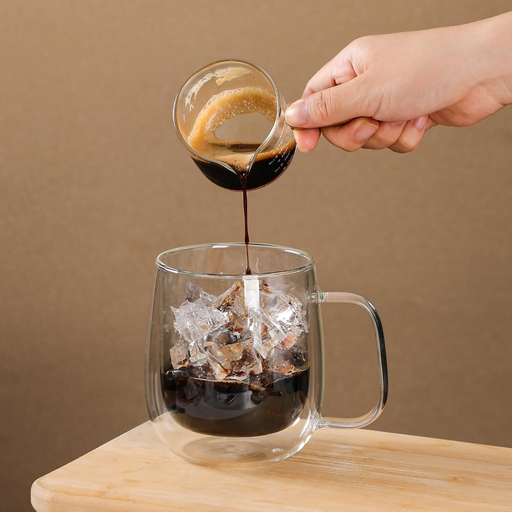
Why this product suits this profile: The double-wall construction, 350 ml capacity and handles make this model a good choice for anyone who wants to serve coffee, tea, cold brew and other drinks in the same style of glass.
The product description expressly states the double-wall construction, the intended use for hot and cold drinks and that the glasses are dishwasher-safe.
Two glasses, 350 ml capacity, handles, a transparent look and, according to the product details, suitability for coffee, tea, cocktails and cold drinks.
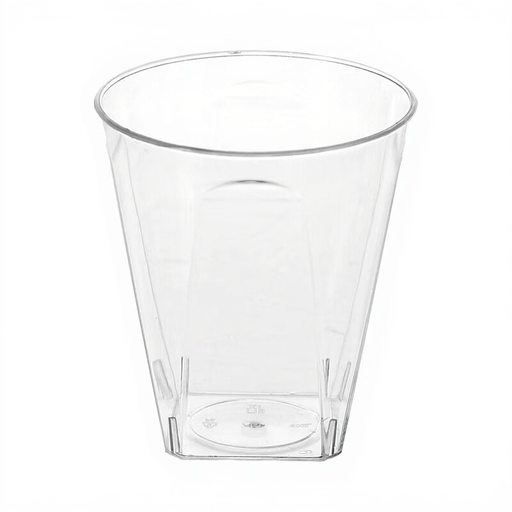
Why this product suits this profile: The large set size is aimed at hosts, bars, events and outdoor areas where many portions are served and a low risk of breakage is important.
The material, quantity and 6 cl capacity are clearly stated. According to the description, the glasses are intended for cold drinks, helping to avoid unsuitable use with hot beverages.
20 reusable plastic glasses, a faceted look, low weight and a format suitable for cocktails, spirits and small portions.
We have put together a complete, regularly updated list of products that fully meet these strict selection criteria and the safety regulations applicable in the EU.
The lifespan of drinking glasses depends heavily on how they are used and cleaned. New glasses should be washed before first use. With glass models, handle them carefully to avoid sudden temperature changes and hard knocks. Damaged or cracked glasses should no longer be used.
The following points are useful when loading the dishwasher:
For restaurants, cafés and bars, fast processes, sufficient quantities and consistent shapes are also important. A 24 cl tumbler may be suitable for short drinks and servings of water, while 40 cl or more may be more practical for long drinks and large cold beverages. The “Secret de Gourmet Bodeg'Eau Short Tumbler” model, for example, is available as an 8-pack with a 24 cl capacity and dimensions of 8.2 × 8.2 × 5.8 cm.
For a two-person household, four to six water glasses may be enough as a basic set. If you regularly entertain guests, plan to have additional glasses available. Separate shapes for wine, beer and cocktails are useful if these drinks are served frequently.
Double-wall glasses or coffee glasses specifically marked as suitable for hot drinks are a good starting point. The decisive factors are the manufacturer’s specific instructions regarding temperature, dishwasher use, microwaves and ovens. A glass should never be exposed to sudden changes in temperature.
That depends on the material, the intended drink temperature, cleaning requirements and local operating practices. Shatter-resistant plastic glasses can be practical for outdoor areas and events. Before using them commercially, however, check the product labelling, care instructions and suitability for food contact.