
Lieferung heute & morgen

Qualitätsgarantie

Willkommens-Angebote freischalten: KOSTENLOSE Lieferung | Bis zu 80 % RABATT | Kostenlose 30-Tage-JoyPlus-Testphase
App herunterladen
Deciding to buy a drone opens up new creative possibilities for photography, videography, and recreation. However, with a multitude of models featuring different technical specifications and current EU regulations, the selection process can be daunting. This guide is designed to help you understand the essential criteria and make an informed decision that suits your requirements. We will present objective information on various drone types, from compact mini-drones to semi-professional aircraft.
Before you decide on a model, several key factors should be considered. These factors determine not only the drone's performance but also the legal framework for its operation within the EU.
Since the introduction of the EU Drone Regulation, classification has become a central criterion. The maximum take-off mass (MTOM) is the decisive factor here.
Choosing the right class is therefore a fundamental decision that directly impacts the administrative workload. A drone that doesn't require a license, colloquially speaking, is typically a C0-class model.
A drone with a 4K camera is now a common standard, but overall image quality depends on other factors.
Your intended application should be a primary driver in your model selection.
Based on the criteria above, we have compiled a selection of drones that cater to different user profiles.
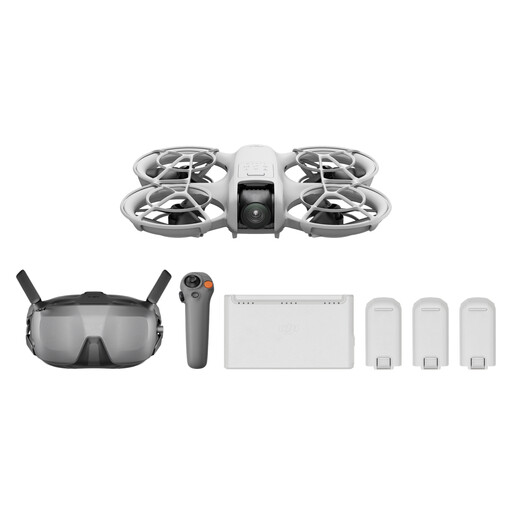
Why it stands out: Weighing just 135g, the DJI Neo is extremely portable and falls into the hassle-free C0 class. The unique feature of this kit is the combination of a 4K camera and the option for immersive FPV control via the included RC Motion 3 and Goggles.
Pros:
Who it's for: Beginners looking for a straightforward and lightweight travel drone, as well as tech enthusiasts who want to dive into the world of FPV flying without having to build a complex system from scratch.
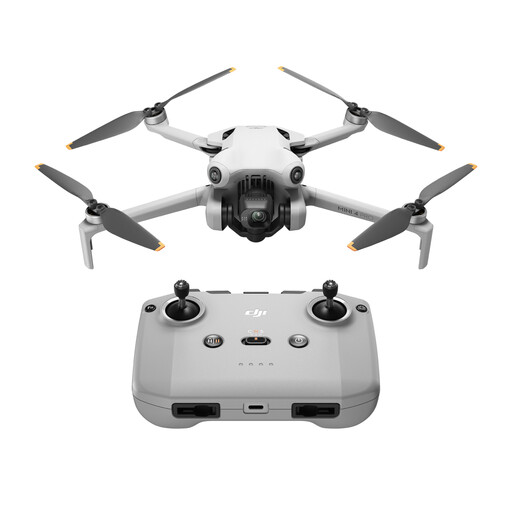
Why it stands out: The DJI Mini 4 Pro combines a lightweight design of under 249g (C0 class) with features typically found only in larger models. These include omnidirectional obstacle avoidance and the ability to shoot vertical video in 4K/60fps HDR.
Pros:
Who it's for: Content creators and discerning hobby pilots who want a lightweight, regulation-compliant drone with high image quality and advanced safety features for travel and social media.
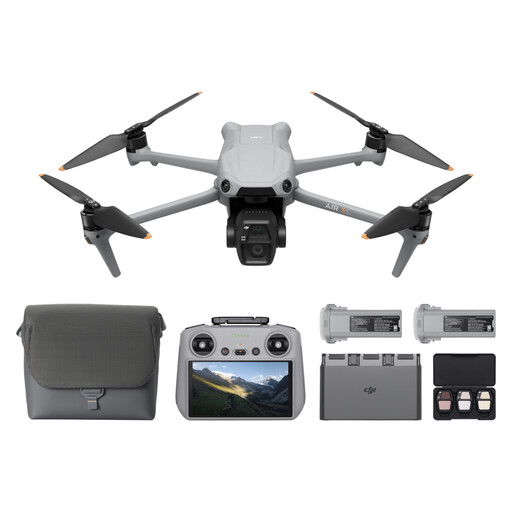
Why it stands out: The DJI Air 3S is a professional camera drone for ambitious photographers and videographers. Its key feature is the large 1-inch CMOS sensor, which enables high image quality even in challenging light conditions. At 724g, it falls into the C1 class.
Pros:
Who it's for: Semi-professional photographers, videographers, and content creators who prioritise the highest image quality, long flight times, and advanced camera options, and are prepared to obtain the required A1/A3 Certificate of Competency.
The models featured here cover a broad spectrum. If you haven't found the right device for your specific needs among them, you can explore more alternatives in our comprehensive category.
Discover more models in our Camera Systems category
In the EU, drones classified as C0 or with a maximum take-off mass of under 250g can be flown without the A1/A3 EU Certificate of Competency (colloquially known as the "small drone license"). Examples include the DJI Neo and the DJI Mini 4 Pro. However, operator registration with the national aviation authority is still required even for these lightweight drones.
The main difference lies in the weight and the associated regulatory requirements.
Yes, a 4K camera offers clear advantages. The higher resolution ensures sharper and more detailed videos. It also provides more flexibility in post-production, as you can zoom in or crop the image without significant loss of quality. For display on modern 4K screens, this resolution is the current standard.