
Lieferung heute & morgen

Qualitätsgarantie

Willkommens-Angebote freischalten: KOSTENLOSE Lieferung | Bis zu 80 % RABATT | Kostenlose 30-Tage-JoyPlus-Testphase
App herunterladen
A dry white wine often looks straightforward on the label, but its flavour profile isn't always easy to pin down. Terms like "fruity", "harmonious" or "elegant" tell you little about sweetness, acidity or how best to use it. If you focus only on the brand or bottle image when shopping online, you could end up paying for the wrong format or getting a wine that doesn't suit your taste or the occasion.
The term dry describes the permitted residual sugar content, not automatically the overall taste. A wine with pronounced acidity can taste much fresher, while a full-bodied dry white wine may seem softer and rounder. Aromas of peach, apple or pear also don't mean the wine is sweet.
Pinot Gris, Grauburgunder and Pinot Grigio all refer to the same grape family, but can taste very different depending on origin, winemaking style and harvest time. A German Grauburgunder isn't automatically comparable to an Italian Pinot Grigio. Weissburgunder (Pinot Blanc) often offers more restrained fruit aromas, while Chardonnay can have more body or more obvious oak notes depending on the style.
A white wine in a 3-litre bag-in-box is practical for households that regularly pour wine. For a single evening, however, a 0.75-litre bottle might be a better fit. A white wine 6-pack doesn't automatically lower your overall costs if the bottles are opened too infrequently or you lack storage space. What matters is how often you drink, the occasion, and the storage instructions for each product.
Pay attention to the combination of flavour description, grape variety and recommended food pairings:
A blend of Chardonnay and Weissburgunder is a Cuvée. This means several grape varieties have been blended together. The term is not a quality judgement, but describes the composition.
A German white wine can come from different wine-growing regions, such as Rheinhessen, Pfalz or Baden. The origin helps with classification, but doesn't replace checking the specific product data sheet.
For a dry quality wine, you should also check the alcohol content, vintage, grape variety declaration, bottler and allergens. For some products, the vintage isn't fixed, for example with a so-called NV wine. This isn't necessarily a disadvantage, but it should suit your purchase intention.
The alcohol content of the dry white wines considered here ranges, for example, between 11.5 and 12.5% vol.. The recommended serving temperature significantly influences your perception:
Wine generally contains sulphur dioxide and sulphites. These must be labelled as allergens. Alcohol is not suitable for minors or pregnant women. Adults should consume alcoholic drinks responsibly.
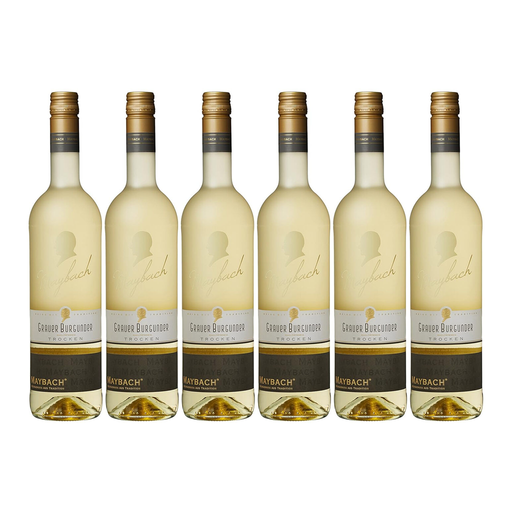
Why this product suits the profile: The 6-pack offers six individual 0.75-litre bottles and is ideal for households that want to serve dry Grauburgunder regularly with light dishes or sociable evenings.
The individual portions avoid committing to a large format. The grape variety, German origin, dry flavour declaration and 12% vol. are clearly stated.
Six 0.75-litre bottles, dry Pinot Gris and a recommended serving temperature of 10–12 °C.
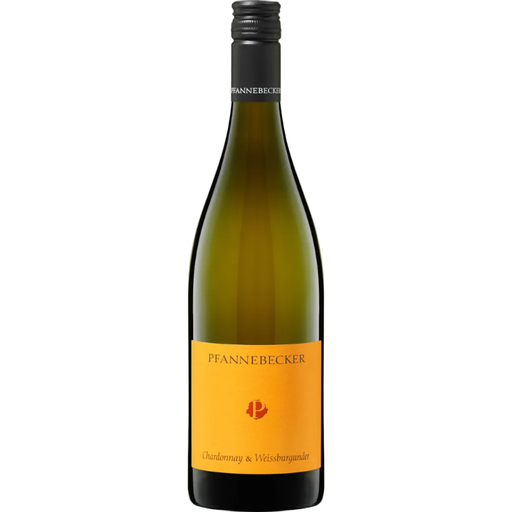
Why this product suits the profile: The Cuvée of Chardonnay and Weissburgunder is aimed at buyers who want to consider grape variety combination, Rheinhessen origin and organic certification in a dry quality wine.
The product details list grape varieties, region, flavour profile, alcohol content of 12.5% vol. and serving temperature of 6–8 °C instead of just generic marketing words.
Chardonnay-Weissburgunder-Cuvée, dry style, Rheinhessen origin and DE-ÖKO-022 as the stated certification.
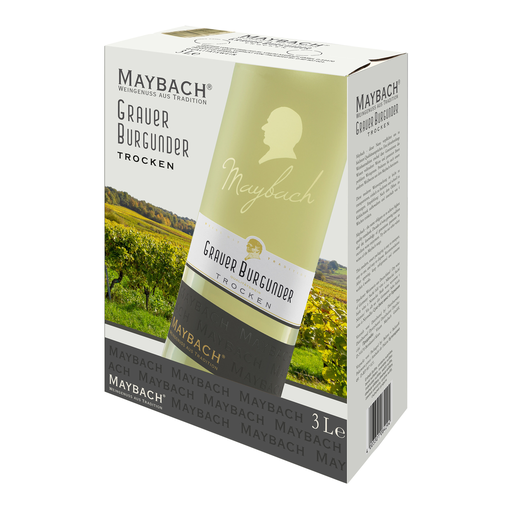
Why this product suits the profile: The 3-litre bag-in-box is aimed at heavy users, hosts and households who want to keep dry German white wine on hand without stocking multiple bottles.
The large format only makes sense if your consumption matches it. The product details mention storage, 12% vol., 10–12 °C and a clear drinking recommendation.
3 litres of content, bag-in-box packaging, German Pinot Gris and suitable details for light cuisine.
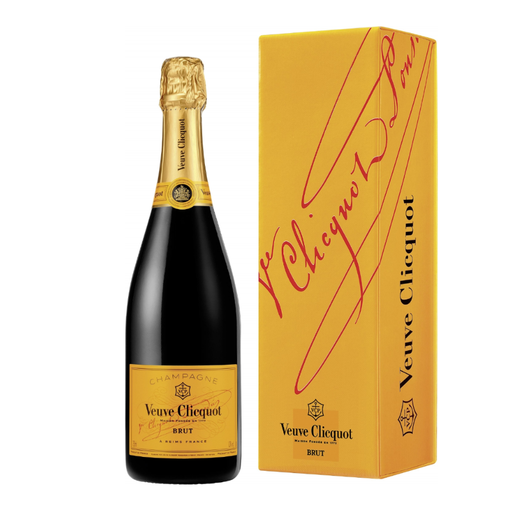
Why this product suits the profile: Champagne is an alternative to German Sekt when you need a sparkling wine from the Champagne region with traditional production methods for a reception or celebration.
The product data states Champagne origin, 0.75-litre bottle size, grape variety Cuvée and serving temperature of 6–8 °C.
Brut sparkling wine, 0.75-litre bottle, traditional Méthode Champenoise and 12.5% vol. according to the product details.
We've put together a complete, regularly updated list of products that fully meet these strict selection criteria and the safety regulations in force in the EU.
Before you place your order, it's worth a quick check:
Light dry white wines often harmonise with fish, poultry, salads, mild cheese, vegetable dishes and light sauces. A fuller-bodied Chardonnay or Grauburgunder can also work well with creamier dishes. The specific choice depends on the acidity, body and seasoning of the dish.
This depends on the closure, fill level, temperature and product. An opened bottle should be kept chilled and drunk as soon as possible. With a bag-in-box product, the shelf life after opening can be longer; for the Maybach Pinot Blanc 3L, for example, consumption within approximately four weeks is recommended. The instructions on the packaging are always the deciding factor.
Champagne comes from the delimited French Champagne region and is subject to strict origin and production regulations there. German Sekt is produced in Germany but can contain wines from different origins. When buying, therefore, you should consider not just the name but also the dosage, grape varieties, alcohol content, origin and the intended occasion.