
Lieferung heute & morgen

Qualitätsgarantie

Willkommens-Angebote freischalten: KOSTENLOSE Lieferung | Bis zu 80 % RABATT | Kostenlose 30-Tage-JoyPlus-Testphase
App herunterladen
Anyone looking to buy electronics online will find a wide range of smartphones, tablets, Bluetooth headphones, chargers and specialist devices. However, product pages often include a long list of technical terms, while important limitations are only mentioned in the small print. The right choice therefore starts not with the most eye-catching marketing claim, but with compatibility, intended use and ongoing costs.
Figures such as “up to 600 mm/s”, “up to 7 days of battery life” or a percentage reduction in noise often refer to specific conditions. Actual battery life, for example, depends on volume, active noise cancellation, display brightness, GPS and app usage.
According to the product description, noise cancellation on the Soundcore Space One headset is assessed under laboratory conditions. This is a reasonable specification, but it is not a promise of the same result in every environment. On a train, in an office or on the street, the fit, background noise and frequency range can all affect performance.
A smartphone or tablet does not necessarily come with a mains charger. The Samsung Galaxy A17 includes a USB-C cable, but not the charger itself. Photo printers also involve ongoing costs for specialist paper. On fitness trackers, additional features may be linked to a paid subscription.
Before buying, you should therefore check:
A USB-C port does not automatically mean that every device will charge at the same speed. Important factors include power in watts, the charging protocol, cable standard and device specifications. Similarly, AirPods, AirTags and certain app features work particularly closely with Apple devices, while Galaxy Buds offer their full range of functions primarily within the Samsung and Android ecosystem.
For chargers, output power is a key point of comparison. The Apple USB-C Power Adapter delivers 20 watts through one port. The Apple 40W Dynamic Power Adapter is rated at 40 watts and, according to the product data, can dynamically provide up to 60 watts. In each case, the cable should be selected separately to match the port and charging protocol.
For Germany, an EU plug is also important. With mains chargers, you should check the input voltage, whether the device is intended for indoor use, ventilation requirements and the condition of the cable and casing. A damaged charger should not be used.
Do not compare only the quoted battery life. Also consider the conditions behind the figure:
The Fitbit Charge 6 is advertised with a battery life of up to seven days. Frequent GPS use or activated monitoring features may result in shorter actual runtime. The device is not a medical diagnostic device. A blood pressure monitor cannot replace a medical assessment either; measurements should be taken according to the instructions, and any health-related questions should be discussed with a medical professional.
Size plays an important role in everyday practicality. A 14-inch tablet is suited to travelling in a different way than a compact e-reader. With headphones, design, fit and awareness of your surroundings matter more than audio resolution alone. A protection rating such as IP54 or IP57 describes the tested level of protection, but does not automatically mean that a device is suitable for diving, saunas or steam rooms.
Specialist devices involve other important specifications too. The Anycubic Kobra S1 Combo offers a print volume of 250 × 250 × 250 millimetres, supports several filament types and reaches a maximum print speed of 600 mm/s according to the product data. The heated nozzle can reach up to 320 °C. This requires a suitable place for installation and careful handling of hot components.
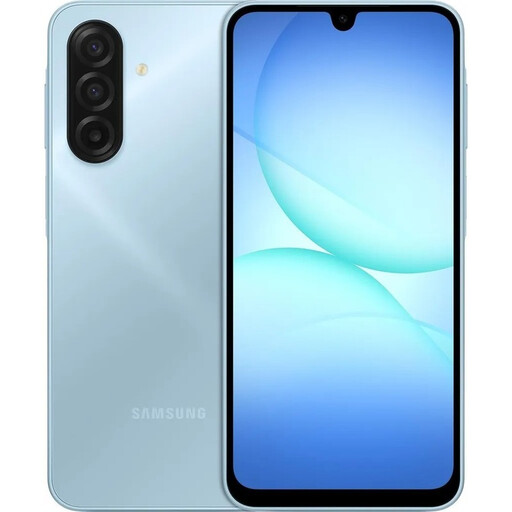
Why this product suits this profile: This smartphone combines Dual SIM, 128 GB of storage and a 6.7-inch Super AMOLED display with a 5,000-mAh battery. Storage can be expanded using a microSD card.
The product details clearly state that no charger is included. This means you can plan for the additional purchase before placing your order.
50-MP main camera with optical image stabilisation, a 90-Hz refresh rate and a hybrid slot for a SIM or microSD card.
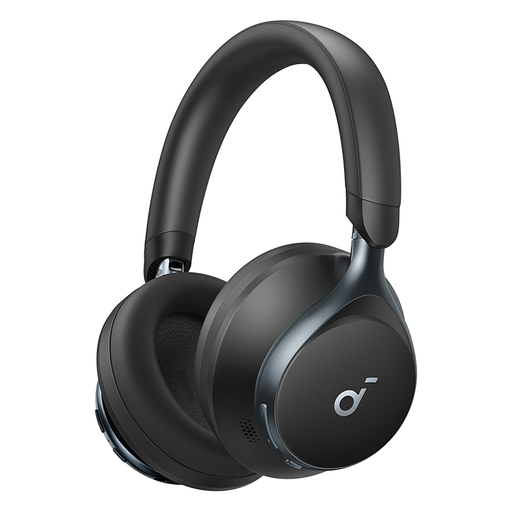
Why this product suits this profile: This over-ear model combines Bluetooth, a USB-C charging port and a quoted playback time of up to 40 hours with ANC or 55 hours without ANC.
Battery life is specified separately for use with and without ANC. The noise-cancellation figures are also clearly identified as having been measured under laboratory conditions.
40-mm drivers, LDAC support and swivelling earcups; designed for both wired and wireless use.
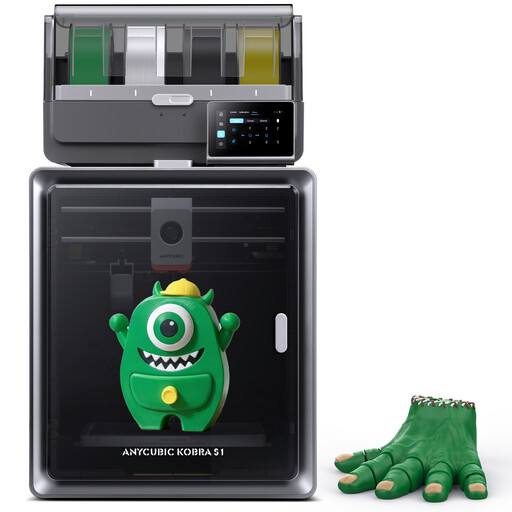
Why this product suits this profile: For creative frequent users, this system offers a print volume of 250 × 250 × 250 mm and supports PLA, PETG, TPU, ABS and ASA.
The maximum speed is stated alongside a recommended speed of 300 mm/s. This makes the advertised figure easier to put into context.
CoreXY design, automatic levelling, a 320-°C nozzle and an ACE Pro system for multicolour printing; hot components require a child-safe location.
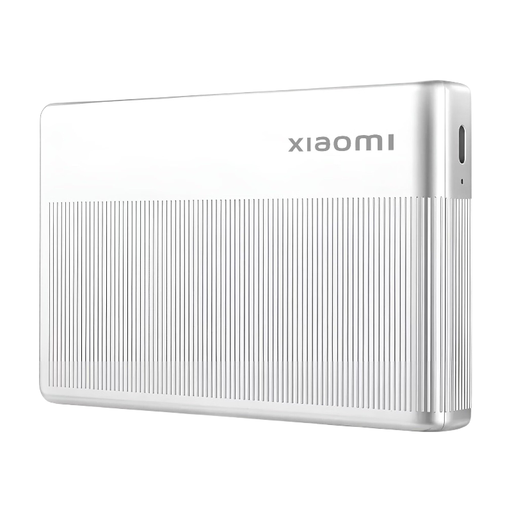
Why this product suits this profile: Weighing 180 grams, this photo printer works via Bluetooth and uses self-adhesive 2×3-inch Zink photo paper, with no ink cartridges or ribbons required.
The Zink technology used reduces the need for printer cartridges. However, specialist paper remains an ongoing cost and should be included in your calculations.
Compatible with iOS and Android through the Xiaomi Home app, with Bluetooth connections for multiple users.
We have put together a complete, regularly updated list of products that fully meet these strict selection criteria and the safety regulations applicable in the EU.
Products with clear technical specifications, transparent details of what is included, manufacturer and EU responsible-person information, and easy-to-understand safety instructions are suitable choices. For smartphones, tablets, AirPods, Bluetooth headphones and e-readers, you should also check operating system and app requirements.
Service life depends on the battery, usage, care, software support and repairability. Replaceable CR2032 batteries can be changed in compatible devices such as AirTag or certain accessories. Built-in lithium batteries should not be opened or replaced yourself. High temperatures, moisture and damaged cables can shorten a product’s useful life.
In addition to electricity and charging accessories, specialist costs may arise: photo printers need Zink paper, 3D printers need filament, fitness trackers may require a premium account and AirTags need suitable CR2032 button cells. Check these ongoing costs before ordering so that an initially low price does not turn into an unexpected overall cost.