
Lieferung heute & morgen

Qualitätsgarantie

Willkommens-Angebote freischalten: KOSTENLOSE Lieferung | Bis zu 80 % RABATT | Kostenlose 30-Tage-JoyPlus-Testphase
App herunterladen
If you want to buy energy drinks and food supplements online, you’ll quickly find a wide range of cans, powders, protein bars and carbohydrate products. However, the price per pack tells you little about how well a product fits into everyday life. Portion size, ingredients, caffeine or protein content, usage instructions and storage are what really matter.
A sugar-free energy drink may contain little or no sugar, but it can still contain caffeine and sweeteners. In sensitive people, sweeteners or sugar substitutes may cause unwanted digestive reactions. Protein bars containing maltitol or sorbitol may also carry a warning about their possible laxative effect, so be sure to check the label.
A pack of 24 or a large tub of protein powder often brings down the price per item. Before buying, though, check that the flavour, portion size and quantity suit your routine. With powdered products, it’s also important to check how many portions the pack actually contains.
Terms such as “Energy Blend”, “Performance Formula” or “High Protein” tell you relatively little without specific quantities. Look for clear figures per portion: caffeine in milligrams, protein content, sugar, calories, sweeteners and any allergens.
A classic energy drink such as Effect Energy Drink 6x1L PET contains 32 mg of caffeine per 100 ml, according to the product information. A 250 ml portion therefore provides 80 mg of caffeine, while a litre is considerably more than a single portion. Bottle size is therefore important when measuring how much you drink.
According to the product information, Red Bull Energy Drink 24x0.25L also contains 32 mg of caffeine per 100 ml. The small cans make it easier to stick to a single portion. Caffeinated energy drinks are not intended for children, or for pregnant or breastfeeding women. If you’re sensitive to caffeine, consider how well you tolerate it. Energy drinks should not be mixed with alcohol.
For products with a higher caffeine content, always follow the labelling on the packaging. Under EU rules, drinks containing more than 150 mg of caffeine per litre must carry a warning. Information in online listings may change depending on the recipe or market.
Depending on the variety, classic Monster Energy and conventional energy drinks often contain sugar. For example, Monster Energy Original 12x0.5L is listed as containing 11 g of sugar and 46 kcal per 100 ml. A 500 ml can therefore contains five times the amount shown in the nutrition information per 100 ml.
Varieties such as Monster Energy Ultra White No Sugar 24x0.5L and Monster Energy Zero Sugar 12x0.5L are formulated to contain less sugar or none at all. Even so, caffeine, acidity regulators, sweeteners and other ingredients are still worth checking. “Sugar-free” doesn’t automatically mean a drink is right for every situation or everyone.
When comparing whey protein, look at the amount of protein per portion, not just the percentage on the front of the pack. According to the product information, Optimum Nutrition Gold Standard 100% Whey provides 24 g of protein per 30 g portion. MAMMUT Nutrition Whey Protein provides an average of around 27 g of protein per portion, depending on the flavour.
It’s worth checking the ingredients in protein bars, too. According to the product information, a Barebells Protein Bar Cookies & Cream contains 20 g of protein per 55 g bar. It also contains milk, soya and sweeteners. A bar is a handy option when you’re out and about, but it’s no substitute for a varied diet.
For creatine products, check the purity, portion size and recommended daily intake. Optimum Nutrition Micronised Creatine Powder contains 3 g of creatine per stated portion; the scoop provides around 3.4 g of creatine monohydrate. Nutri + Creatine Powder also lists a daily portion of 3.4 g. These products are intended for adults. If you have an existing medical condition, take medication or are unsure whether creatine is suitable for you, seek medical advice.
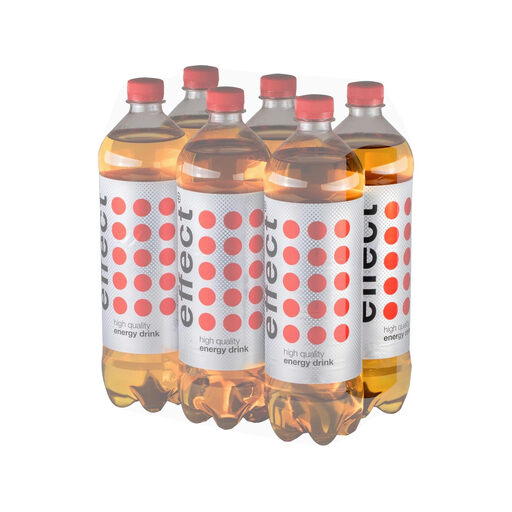
Why it suits this profile: Six 1-litre PET bottles are a good choice for households or anyone who prefers to buy larger quantities. The product information lists 32 mg of caffeine and 11 g of sugar per 100 ml.
The nutrition information per 100 ml and the total volume are clearly stated, making it easier to plan how much you drink.
Six 1-litre bottles, PET packaging and a €1.50 deposit according to the product information.
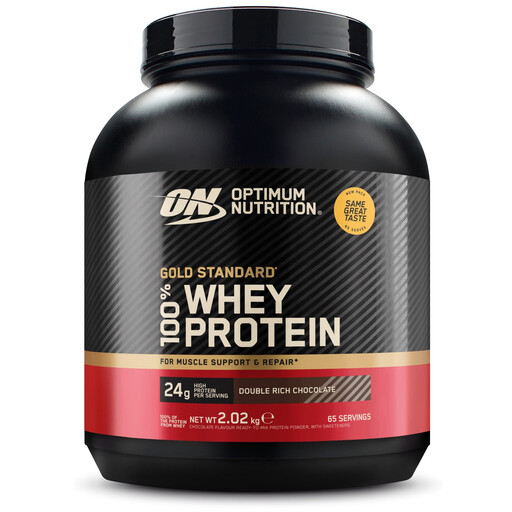
Why it suits this profile: The blend of whey isolate, concentrate and hydrolysed whey, along with 24 g of protein per 30 g portion, makes it easy to plan your nutritional intake.
Protein content is listed per portion and per 100 g. Milk and soya allergens are identified in the ingredients information.
30 g portion, 24 g of protein and 113 kcal per portion according to the product information. Can be added to drinks or food.
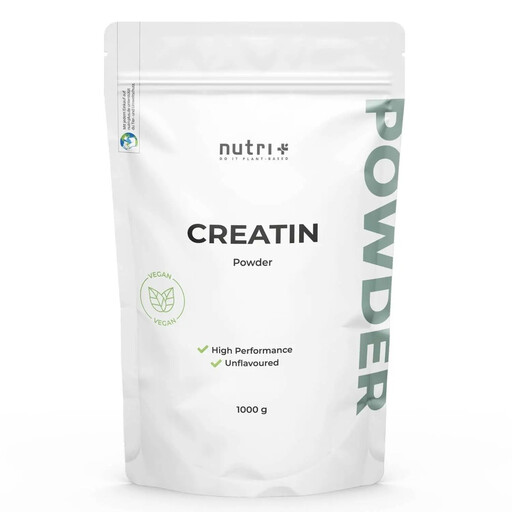
Why it suits this profile: The 1,000 g pack is designed for regular daily use and, according to the product information, contains only creatine monohydrate.
The recommended 3.4 g portion is clearly stated, as is the ingredients list, which contains no added flavourings, colourings or sweeteners.
1,000 g pack, around 3 g of creatine per recommended portion and unflavoured powder.
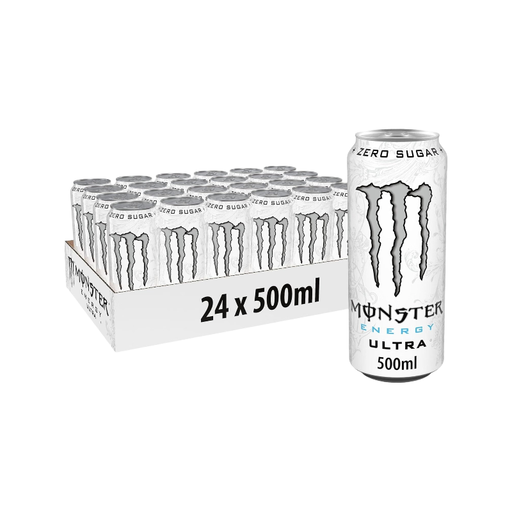
Why it suits this profile: This multipack is aimed at people who regularly buy a sugar-free energy drink with a citrus flavour in 500 ml cans.
The nutrition information lists 0 g of sugar and around 3 kcal per 100 ml. Caffeine and sweeteners are still worth bearing in mind.
24 cans of 0.5 l each, a sugar-free recipe according to the product information and storage at room temperature.
We’ve put together a complete, regularly updated list of products that meet these strict selection criteria and fully comply with the safety regulations in force in the EU.
It depends on the brand and variety. According to the product information, Effect and Red Bull both contain 32 mg of caffeine per 100 ml. That works out at 80 mg in a 250 ml can. Always follow the current packaging information and take your individual tolerance into account.
The best-before date is shown on the packaging. Once opened, powders should be stored in a cool, dry place, tightly sealed and away from direct sunlight. Whey protein may come with additional guidance, such as using it within a few months of opening.
Comparing the price per 100 g, per portion or per can gives you a fairer picture than looking at the total price. You should also take deposits, delivery costs, how much you’ll actually use and your preferred flavour into account. A larger pack is worthwhile if you’ll use it regularly and within the stated shelf life.