
Lieferung heute & morgen

Qualitätsgarantie

Willkommens-Angebote freischalten: KOSTENLOSE Lieferung | Bis zu 80 % RABATT | Kostenlose 30-Tage-JoyPlus-Testphase
App herunterladen
If you’re looking to buy exotic drinks online, you’ll find a wide selection of tropical fruit drinks, Asian beverages and international energy drinks. But there’s more to compare than just the flavour and packaging of mango juice, lychee juice, Ramune, Mogu Mogu and the various Red Bull Editions. Fruit content, sugar levels, caffeine, pack size and storage instructions can all vary considerably.
Three common misconceptions often lead to the wrong choice:
It’s worth checking the order of the ingredients in tropical drinks. Ingredients are generally listed by weight, from highest to lowest. A stated fruit content makes it easier to assess what’s in the product:
These figures make products easier to compare than terms such as ‘tropical’, ‘authentic’ or ‘fruity’. If you want to buy fruit juice online, it’s also worth distinguishing between juice, nectar, fruit juice drinks and flavoured fizzy drinks.
Sugar content is usually shown per 100 ml or 100 g. A 330 ml bottle containing 11 g of sugar per 100 ml works out at around 36 g of sugar per bottle. For a fair comparison, always take the serving size into account.
In sugar-free energy drinks, sugar is usually replaced with sweeteners. According to the product information, Monster Energy Ultra Peachy Keen Zero Sugar contains 0 g of sugar and 3 kcal per 100 ml. It also contains 32 mg of caffeine per 100 ml, which means a 500 ml can provides 160 mg of caffeine. Check the manufacturer’s guidance on caffeine intake and the intended audience stated on the packaging.
Compare energy drinks such as Red Bull Editions and Monster Energy by their caffeine content and can size. Red Bull Apricot Edition and Red Bull White Edition Coconut-Blueberry are listed as containing 32 mg of caffeine per 100 ml. That works out at 80 mg of caffeine in a 250 ml can.
Multipacks of drinks can be handy for households, offices, gaming sessions or parties. A 24-pack of Red Bull, with 0.25 l per can, contains 6 litres in total. Monster Energy Mango Loco and Monster Energy Ultra Peachy Keen are available in 12-packs of 0.5 l cans, also giving you 6 litres per case.
For fruit drinks containing purée or coconut gel, ‘shake before opening’ is an important instruction. Opened products usually need to be refrigerated and consumed soon afterwards. Follow the instructions on Ramune bottles, as opening them releases the glass marble from the stopper mechanism.
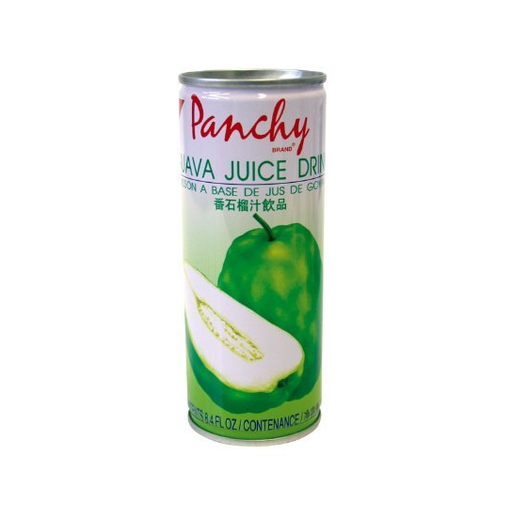
Why this product suits this profile: The 250 ml serving is ideal for newcomers who want to try guava juice without buying a large case of drinks.
The stated 25% guava purée content makes it easier to compare with drinks made mainly from water, sugar and flavouring.
250 ml, 25% guava purée, 44 kcal per 100 g, and listed as fat-free and gluten-free.
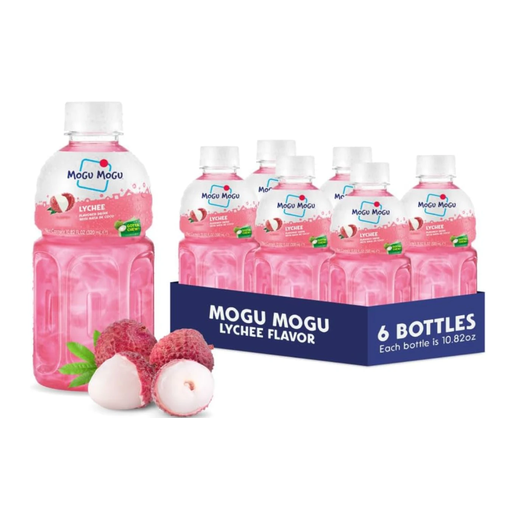
Why this product suits this profile: A good choice for shoppers looking for an unusual texture and a clearly described product, as well as great flavour.
The ingredients list states that it contains 25% Nata de Coco, and also flags sugar, sweeteners or additives, as well as the possible colour E129.
Six-pack with 320 ml per bottle, lychee flavour and Nata de Coco; 52–54 kcal per 100 ml, according to the product information.
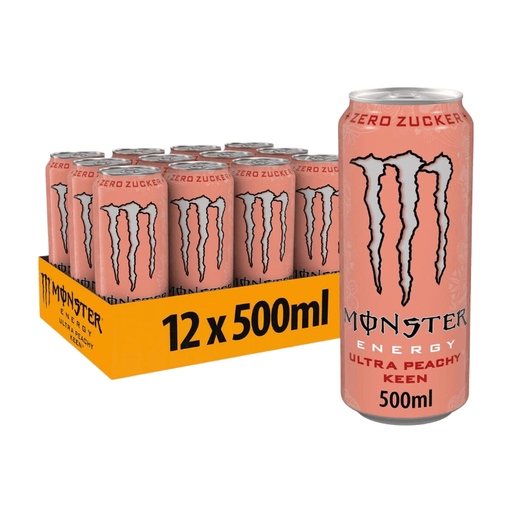
Why this product suits this profile: This multipack is aimed at adults, offices and gaming households that regularly stock up on a sugar-free energy drink.
The label states that it contains 0 g of sugar, but also 32 mg of caffeine per 100 ml. This makes it clear that sugar-free doesn’t mean caffeine-free.
12 cans of 500 ml each, peach flavour, 0 g of sugar per 100 ml and clearly stated caffeine content.
Small bottles of 250 to 350 ml are handy if you’d like to try new flavours such as mango juice, lychee juice, guava juice or passion fruit juice. You can order different varieties individually to compare them before deciding whether to buy a multipack.
The best-before date is shown on the packaging. Store unopened products in a cool, dry place, away from direct sunlight, as instructed. Many fruit drinks need to be refrigerated after opening and should be consumed within a few days.
Multipacks can be a good option if you regularly drink them at home, in the office or at events. Compare the price per litre, the number of individual servings, the best-before date and the storage space you have available. For energy drinks, also check the caffeine content and serving advice on the label.