
Lieferung heute & morgen

Qualitätsgarantie

Willkommens-Angebote freischalten: KOSTENLOSE Lieferung | Bis zu 80 % RABATT | Kostenlose 30-Tage-JoyPlus-Testphase
App herunterladen
Anyone looking to buy extra virgin olive oil will find many similar bottles, origin claims and promises of quality online. However, a higher price does not automatically mean that the oil suits your taste or intended use. The key factors are the legally defined quality grade, origin, packaging and how you plan to use it.
The term extra virgin olive oil describes a legally defined quality grade. The oil must be obtained directly from olives and exclusively through mechanical processes. “Cold-pressed” or “cold-extracted” may provide additional information about the production method, but on its own is not enough to determine flavour, freshness or origin.
So check the ingredients list carefully: for a pure product, it should state extra virgin olive oil or “Extra Virgin Olive Oil”. Blends of refined and virgin oils should not be considered alongside the same selection.
An Italian brand does not necessarily mean that all the olives come from Italy. Some products combine oils from EU and non-EU countries. If you are specifically looking for Greek olive oil, Italian olive oil or Kalamata olive oil, look for a specific origin statement or a protected designation of origin.
A PDO or g.U. label such as “PDO Kalamata” refers to a defined region and specific production requirements. This is more precise than a generally Mediterranean-looking label design.
Olive oil loses some of its aromatic quality when exposed to light, heat and frequent opening. A bulk pack of olive oil can be useful for families or regular users. If you only dress salads occasionally, a single 500 ml olive oil bottle is often more practical.
For salads, dressings, marinades and finishing dishes, look for the designation Extra Virgin Olive Oil. Also check:
The nutritional values of olive oil are typically around 820 to 900 kcal per 100 ml or 100 g, with approximately 91 to 100 g of fat. These figures only distinguish products to a limited extent. For shopping purposes, origin, tasting notes and storage information are usually more informative.
An organic olive oil should display the EU organic logo and the control body number on the packaging. For products from a particular region, additional details such as Kalamata, Crete or Sicily may be relevant. Origin is particularly important if you are looking for a mild, fruity or more intensely flavoured oil.
Dark glass or light-protective packaging reduces exposure to light. Once opened, the bottle should be sealed tightly and stored in a cool, dry place away from direct sunlight. Refrigeration is generally not necessary. At temperatures below a certain level, olive oil may become cloudy or develop flakes; at room temperature, this natural process returns to normal.
For olive oil for salads and cooking, ease of pouring is also relevant. A 250 or 500 ml bottle is suitable if you like to switch between varieties or use olive oil occasionally. A value pack is more suitable for households that use oil regularly.
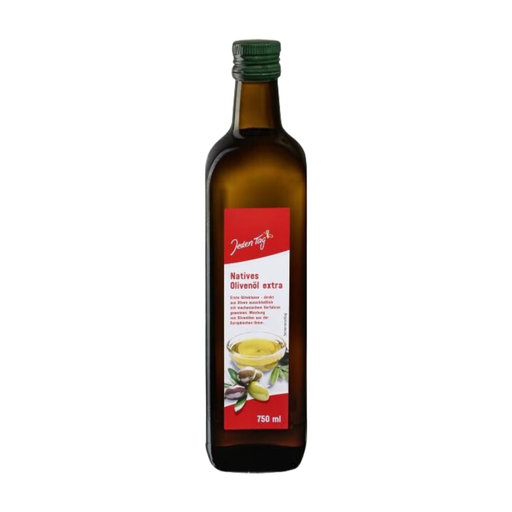
Why this product suits this profile: The 750 ml bottle provides a practical quantity for dressings, cooking and occasional finishing. The product is described as a blend of olive oils from the European Union.
The clearly stated fill quantity and EU origin information make comparisons easier without suggesting an individual region that has not been specified.
750 ml, versatile for salads and cooking, with light-protected storage recommended.
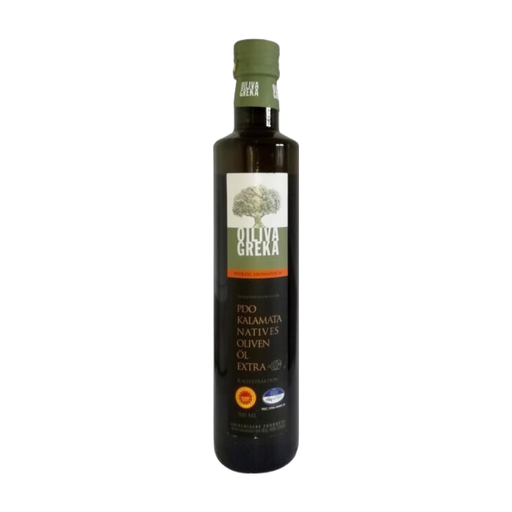
Why this product suits this profile: The PDO Kalamata protected designation of origin clearly identifies the region. At 500 ml, the quantity remains manageable and is suitable for salads, dressings and serving.
The origin designation is more specific than general country-based marketing and makes the regional connection clear.
PDO Kalamata designation, 500 ml, suitable for dressing dishes and serving as a dip accompaniment.

Why this product suits this profile: The product is described as organic olive oil from organic farming within the EU. It is intended for salads, steaming, cooking and gentle frying.
The organic label and stated EU origin provide specific points to check rather than a general promise of natural quality.
500 ml, organic certification information, intended for salads and several gentle cooking methods.
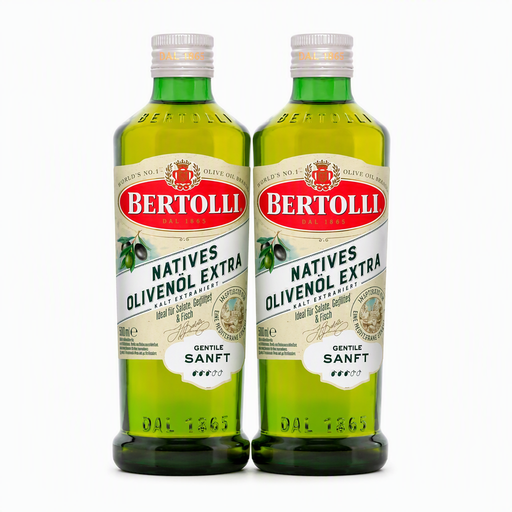
Why this product suits this profile: Two 500 ml bottles are suitable for households that regularly use olive oil for salads, marinades and finishing dishes.
The total quantity is stated clearly. Only buy a bulk pack if your usage rate means you will avoid storing opened bottles for too long.
Two 500 ml bottles, easy stock planning, storage at 15 to 20 °C and protected from light.
We have put together a complete, regularly updated list of products that fully meet these strict selection criteria and the safety regulations applicable in the EU.
Yes, it can be used for many everyday cooking methods. The important thing is to follow the manufacturer’s instructions and avoid heating the oil more than necessary. It is particularly suitable for salads, dressings, marinades, steaming and gentle frying. For very high temperatures, a cooking oil specifically designed for this purpose may be more suitable.
The specific best-before date is printed on the packaging. Once opened, the bottle should be sealed tightly and stored in a dark place at a moderate room temperature. Smaller households often benefit from 250 or 500 ml, while frequent users may prefer a bulk pack.
Look for the quality grade “Extra Virgin Olive Oil”, a clear ingredients list, a traceable origin and suitable packaging. Organic products should carry a valid EU organic label. Taste is a personal choice: fruity, mild or slightly peppery oils suit different dishes.